
Is Iceland Expensive? 2026 Complete Budget & Cost Guide
Quick Answer: Is Iceland Expensive?
Yes, Iceland can be expensive compared to many destinations, with daily costs ranging from $100-$250+ USD per person. However, Iceland offers exceptional value when you consider what you're paying for: pristine nature, safe travel, excellent infrastructure, and experiences you can't find anywhere else. The key is knowing where your money goes and how to maximize value without sacrificing the magic.
Bottom line: With smart planning, the right rental car, and a focus on Iceland's free natural wonders, you can experience an incredible trip without breaking the bank.
Iceland Costs at a Glance
|
Traveler Type |
Daily Budget |
Best For |
|
Budget |
ISK 18,000-28,000 ($145-$230) |
Hostels/camping, self-catering, free attractions |
|
Mid-Range |
ISK 38,000-55,000 ($310-$450) |
Guesthouses, mix of dining out/cooking, some paid tours |
|
Comfort |
ISK 75,000-120,000+ ($615-$985+) |
Boutique hotels, restaurants, private tours, flexibility |
Biggest expenses: Car rental, accommodation, dining out
Biggest savings: Cook your own meals, visit in shoulder season, prioritize free nature
Best value season: Late September-October and March-May

What Makes Iceland Expensive?
Understanding why Iceland costs what it does helps you budget smarter. Here are the main factors:
- Geographic Isolation
Iceland is a remote island in the North Atlantic. Nearly everything, from fresh produce to building materials, must be imported, driving up prices. - High Cost of Living
Icelanders enjoy high salaries (thanks to strong labor unions) and excellent social services. This quality of life comes with higher operational costs for businesses, which are passed to consumers. - Tourism Seasonality
Peak summer season (June-August) sees massive demand and limited supply, pushing prices up 30-50% compared to winter months. - Small Population, Limited Competition
With only 380,000 residents, Iceland has fewer businesses competing for customers, especially outside Reykjavik. - Quality and Safety
You're paying for excellent infrastructure, well-maintained roads, clean facilities, and one of the world's safest travel destinations.
How Iceland compares to other expensive destinations:
- Slightly less expensive than Norway and Switzerland
- More expensive than Denmark and Sweden
- Similar to Australia's major cities
- Much more expensive than Southern Europe
Learn more about what currency Iceland uses and current exchange rates.
Detailed Cost Breakdown
Let's break down exactly where your money goes on an Iceland trip.
1. Car Rental & Fuel
Why rent a car? It's often the smartest value move in Iceland. You can reach countless free sights in a single day on your schedule, without tour markups.
Cost overview:
- Compact car rental: ISK 6,000-9,000/day ($50-$75)
- 4×4/SUV rental: ISK 12,000-20,000/day ($100-$165)
- Fuel: ISK 280/liter ($2.30/liter or $8.70/gallon)
- Average fuel cost for Ring Road: ISK 35,000-50,000 ($285-$410)
Money-saving tips:
- Book your car rental 2-3 months ahead for the best rates
- Choose a smaller, fuel-efficient car unless traveling F-roads
- Fill up frequently—gas stations are sparse in remote areas
- Use the self-drive tour packages that bundle a car and accommodation
Helpful guides:
- 2025 Iceland Car Rental Fleet Guide
- How to Rent a Car in Iceland
- How to Select the Right Car
- Your Guide to Fuel Stations in Iceland
Need a 4×4? Only if you're driving F-roads or traveling in winter. For most Ring Road trips, a compact car is perfectly adequate.
Winter considerations: Budget extra for potential winter driving challenges and slower travel times.
2. Accommodation
Price ranges (per night, double occupancy):
|
Type |
Low/Shoulder Season |
High Season (Jun-Aug) |
|
Hostel dorm bed |
ISK 4,500-7,000 ($37-$57) |
ISK 6,000-9,000 ($50-$75) |
|
Hostel private room |
ISK 12,000-18,000 ($100-$150) |
ISK 16,000-25,000 ($130-$205) |
|
Guesthouse |
ISK 15,000-25,000 ($125-$205) |
ISK 20,000-35,000 ($165-$285) |
|
Mid-range hotel |
ISK 25,000-40,000 ($205-$330) |
ISK 35,000-55,000 ($285-$450) |
|
Boutique/luxury hotel |
ISK 50,000-95,000+ ($410-$780+) |
ISK 70,000-120,000+ ($575-$985+) |
|
Camping |
ISK 2,000-2,500 ($17-$21) |
ISK 2,000-2,500 ($17-$21) |
How to save money:
- Book 2-3 months ahead - good budget options sell out fast
- Mix accommodation types - splurge near bucket-list spots like Jökulsárlón, save elsewhere
- Consider guesthouses with shared bathrooms - can save 30-40%
- Stay outside Reykjavik - accommodation costs drop significantly in smaller towns
- Camping season (May-September) - brings costs down dramatically
Regional pricing: Lake Mývatn and popular South Coast locations command premium prices. Consider staying in nearby towns (like Húsavík instead of Mývatn) and driving to attractions.
3. Food & Dining
This is where many travelers feel the "Iceland is pricey" effect most acutely.
Typical costs:
|
Item |
Price Range (ISK) |
Price (USD) |
|
Coffee |
500-700 |
$4-6 |
|
Breakfast at a café |
1,800-2,800 |
$15-23 |
|
Lunch (sandwich/soup) |
1,500-2,200 |
$12-18 |
|
Hot dog (gas station) |
500-700 |
$4-6 |
|
Casual restaurant dinner |
3,000-5,500 |
$25-45 |
|
Nice restaurant dinner |
6,000-12,000+ |
$50-100+ |
|
Grocery shop (3 days/2 people) |
8,000-12,000 |
$65-100 |
|
Beer (restaurant) |
1,200-1,600 |
$10-13 |
|
Glass of wine (restaurant) |
1,400-2,200 |
$12-18 |
Smart eating strategies:
- Shop at Bónus supermarkets (pink pig logo) - Iceland's cheapest grocery chain
- Cook breakfast and pack lunch - save restaurants for dinner treats
- Target lunch specials - often 30% cheaper than dinner prices
- Try the Icelandic hot dog - Icelandic food, not a tourist trap
- Skip alcohol or buy duty-free at the airport - drinks are heavily taxed
Food resources:
- How Expensive Is Food in Iceland?
- Shopping for Groceries in Iceland
- Reykjavik's Best Cheap Restaurants
- Best Breakfast in Iceland
- Dining at Keflavik Airport
Pro tip: A nice meal out costs about the same as 4-5 grocery-store dinners. Prioritize special-occasion restaurants and self-cater the rest.
4. Activities & Attractions
The good news: Many of Iceland's best experiences are completely free.
Free highlights:
- Waterfalls (Skógafoss, Seljalandsfoss, Dettifoss, and 100+ more)
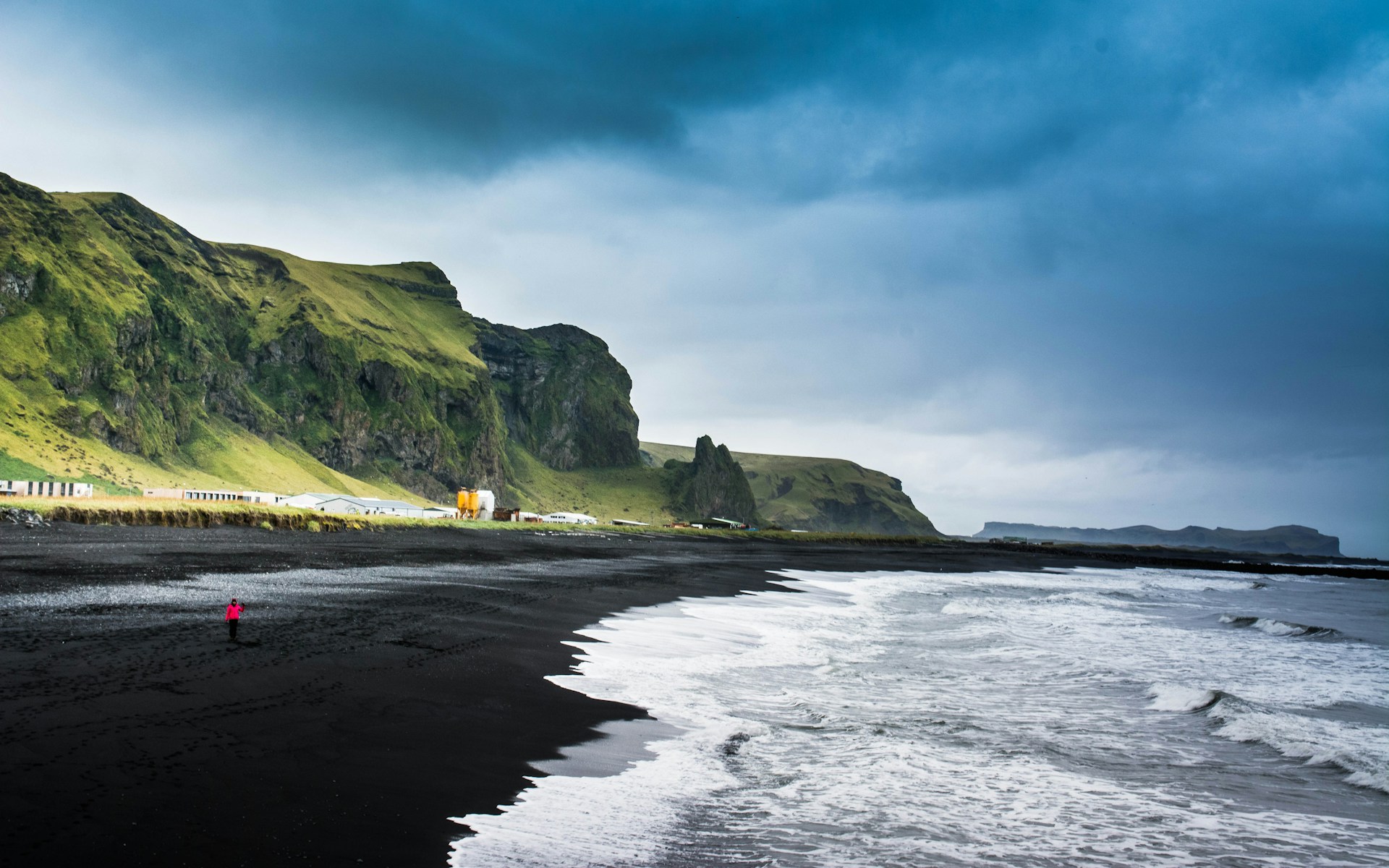
- Black sand beaches
- National parks
- Glacier lagoons (Jökulsárlón, Diamond Beach)
- Lava fields
- Northern lights (just drive away from city lights)
- Scenic drives (Ring Road, Westfjords)
Paid attractions (popular options):
|
Activity |
Price Range (ISK) |
Price (USD) |
|
10,000-18,000 |
$82-$148 |
|
|
1,000-1,500 |
$8-12 |
|
|
18,000-28,000 |
$148-$230 |
|
|
Glacier hiking (full day) |
20,000-32,000 |
$165-$263 |
|
12,000-16,000 |
$98-$131 |
|
|
Snorkeling Silfra |
25,000-35,000 |
$205-$287 |
|
Horse riding (1-2 hours) |
12,000-18,000 |
$98-$148 |
|
Northern lights tour |
10,000-15,000 |
$82-$123 |
Budget-friendly activity strategy:
- Plan one "hero" paid experience every 2-3 days
- Surround it with free nature exploration
- Choose local pools over expensive geothermal spas (authentic and 1/10th the price)
- Self-drive to northern lights spots instead of booking tours
Free activities guide: Free Things to Do in Iceland
5. Hidden Costs to Budget For
Don't forget these smaller expenses:
- Parking in Reykjavik: ISK 150-400/hour ($1.25-$3.30)
- National park parking: ISK 500-1,000 ($4-$8)
- Attractions with entrance fees: ISK 500-1,500 ($4-$12)
- Paid tunnels (Vaðlaheiðargöng): ISK 1,500 ($12) each way
- Highway tolls: Minimal, but exist on some routes
- Restrooms at remote attractions: ISK 200-400 ($1.60-$3.30)
Related guides:
Sample 7-Day Budgets
Based on two travelers sharing a car, the costs per person. Adjust for solo travel or larger groups.
Budget Traveler: ~ISK 266,000 ($2,200)
Choices:
- Hostel dorms or camping
- Cook most meals, occasional dining out
- Compact car rental
- 1-2 paid activities total
- Prioritize free nature
|
Category |
7-Day Total |
Daily Average |
|
Car rental + fuel |
ISK 56,000 ($460) |
ISK 8,000 ($65) |
|
Accommodation |
ISK 98,000 ($810) |
ISK 14,000 ($115) |
|
Food & drink |
ISK 70,000 ($580) |
ISK 10,000 ($82) |
|
Activities |
ISK 42,000 ($350) |
ISK 6,000 ($50) |
|
TOTAL |
ISK 266,000 ($2,200) |
ISK 38,000 ($315) |
Mid-Range Traveler: ~ISK 539,000 ($4,450)
Choices:
- Guesthouses or budget hotels
- Mix of cooking and dining out
- Compact or SUV rental
- 3-4 paid activities
- Comfortable pace
|
Category |
7-Day Total |
Daily Average |
|
Car rental + fuel |
ISK 91,000 ($750) |
ISK 13,000 ($107) |
|
Accommodation |
ISK 196,000 ($1,620) |
ISK 28,000 ($230) |
|
Food & drink |
ISK 154,000 ($1,270) |
ISK 22,000 ($181) |
|
Activities |
ISK 98,000 ($810) |
ISK 14,000 ($115) |
|
TOTAL |
ISK 539,000 ($4,450) |
ISK 77,000 ($635) |
Comfort/Luxury Traveler: ~ISK 1,155,000 ($9,550)
Choices:
- Boutique hotels or luxury lodges
- Dining out at nice restaurants
- 4×4 or premium vehicle
- Multiple premium experiences
- Flexible, spontaneous itinerary
|
Category |
7-Day Total |
Daily Average |
|
Car rental + fuel |
ISK 154,000 ($1,270) |
ISK 22,000 ($181) |
|
Accommodation |
ISK 490,000 ($4,050) |
ISK 70,000 ($578) |
|
Food & drink |
ISK 315,000 ($2,600) |
ISK 45,000 ($371) |
|
Activities |
ISK 196,000 ($1,620) |
ISK 28,000 ($230) |
|
TOTAL |
ISK 1,155,000 ($9,550) |
ISK 165,000 ($1,365) |
Exchange rates fluctuate. Use current rates for accurate conversion.
Not Sure How Long to Stay?
Start with these itineraries:
For longer trips:
When to Visit for Best Prices
Seasonality is your biggest cost lever. Here's how prices vary by month:
Peak Season (June-August)
Price Level: Highest
Daily Budget Impact: +40-50% vs shoulder season
Pros: 24-hour daylight, warmest weather, everything open, best for families
Cons: Crowds, highest prices, advance booking essential
Shoulder Season (April-May, September-October) BEST VALUE
Price Level: Moderate
Daily Budget Impact: Baseline pricing
Pros: Lower prices, fewer crowds, good weather, northern lights possible (Sept-Oct)
Cons: Some highland roads closed, shorter daylight (Oct)
Best for: Budget-conscious travelers seeking value
Low Season (November-March)
Price Level: Lowest
Daily Budget Impact: -30-40% vs peak season
Pros: Cheapest rates, northern lights, ice caves, winter activities
Cons: Short daylight (4-5 hours Dec-Jan), road closures, weather challenges
Best for: Northern lights hunters, winter sports enthusiasts, extreme budget travelers
Month-by-Month Sweet Spots:
Best overall value: Late September-October and April-May
- Still 16-20 hours of daylight
- Prices drop 30-40%
- Fewer crowds
- Roads mostly open
- Pleasant weather
Seasonal planning guides:
- Iceland in October (Excellent value)
- Iceland in March (Good value)
- Iceland in January
- Driving in Iceland in Fall
Top 10 Money-Saving Tips
Save hundreds without sacrificing experience:
1. Rent Your Car Early
Book your rental 2-3 months ahead for 30-50% savings. Consider self-drive packages that bundle a car and accommodation for better rates.
2. Cook One Meal Per Day
A week of restaurant dinners: ~ISK 150,000 ($1,235)
Same week cooking dinner: ~ISK 42,000 ($350)
Savings: ~ISK 108,000 ($890)
Shop at Bónus supermarkets for the best prices.
- Travel Shoulder Season
Save 30-40% on car rental and accommodation by visiting April-May or September-October. Check when to visit Iceland.
4. Choose Local Pools Over Spas
Blue Lagoon: ISK 10,000-18,000 ($82-$148)
Local geothermal pool: ISK 1,000 ($8)
Savings: ~ISK 9,000-17,000 ($75-$140)
Check out our Swimming pools guide.
5. Prioritize Free Nature
With a rental car, you can visit:
- Unlimited waterfalls (guide)
- Black sand beaches
- Glacier lagoons
- National parks
- Lava fields
- Northern lights spots (drive instead of tour)
6. Skip Alcohol (Or Buy Duty-Free)
Restaurant beer: ~ISK 1,400 ($12)
Duty-free beer: ~ISK 300 ($2.50)
Savings per drink: ~ISK 1,100 ($9)
Buy at Keflavík Airport duty-free on arrival.
7. Pack Picnic Lunches
Gas station lunch: ISK 2,500 ($21)
Packed lunch: ISK 500 ($4)
Savings per day: ISK 2,000 ($17) × 7 days = ISK 14,000 ($115)
8. Mix Accommodation Types
Don't spend every night in hotels. Alternate between:
- Guesthouses (moderate)
- Hostels (budget)
- One "splurge" night near a must-see location
9. Use Credit Cards for Everything
- Skip ATM fees
- Get better exchange rates than cash
- Earn rewards points
- Iceland is virtually cashless—cards accepted everywhere
10. Visit Reykjavík Strategically
Reykjavík is the most expensive part of Iceland. Minimize city nights and maximize countryside exploration. See the best day trips from Reykjavik.
Potential total savings: ISK 135,000-180,000 ($1,100-$1,500) on a 7-day trip
Is Iceland Worth the Cost?
Short answer: Absolutely.
Consider what you're getting for your money:
Landscapes found nowhere else
Glaciers, volcanoes, geysers, black sand beaches, and northern lights, all in one country
Exceptional safety
One of the world's safest countries for solo and female travelers
Pristine, accessible nature
Minimal crowds at most attractions (outside peak season), well-marked trails, excellent infrastructure
Quality infrastructure
Well-maintained roads, clean facilities, reliable services
Unique experiences
Where else can you snorkel between tectonic plates, bathe in geothermal rivers, or explore ice caves?
Sustainability focus
Nearly 100% renewable energy, strong environmental protections
How Iceland Compares
More expensive than:
- Most of Southern Europe (Spain, Portugal, Italy, Greece)
- Eastern Europe
- Most of Asia
- Central and South America
Similar to:
- Australia's major cities
- New Zealand
- Parts of Scandinavia (Denmark, Sweden)
Less expensive than:
- Norway (especially Oslo and Bergen)
- Switzerland
- Some US cities (New York, San Francisco)
The value proposition:
Iceland isn't "cheap," but it delivers extraordinary experiences that justify the cost. Most visitors say Iceland exceeded their expectations despite the prices.
Real Traveler Perspective
"I spent $4,200 for a week in Iceland. Yes, that's expensive. But I saw:
- 30+ waterfalls
- 3 glacier lagoons
- The northern lights
- Countless hot springs
- Black sand beaches with icebergs
- Active geysers
Would I pay it again? In a heartbeat." — Sarah, visited October 2024
Budget-Friendly Itinerary Ideas
Maximize experience while minimizing cost:
Golden Circle Budget Loop (1 Day)
Free highlights:
- Þingvellir National Park (tectonic plates, snorkeling site)
- Geysir geothermal area
- Gullfoss waterfall
- Kerið Crater (small fee: ISK 500/$4)
Budget tip: Pack a picnic lunch, visit during off-peak morning hours
South Coast Value Route (2-3 Days)
Free experiences:
- Skógafoss waterfall
- Seljalandsfoss waterfall
- Reynisfjara black sand beach
- Sólheimasandur plane wreck
- Jökulsárlón & Diamond Beach
One splurge: Choose either Blue Lagoon OR an ice cave tour, not both
Stay in: Vík or Kirkjubæjarklaustur (cheaper than Reykjavik)
Westfjords Off-the-Beaten-Path (4-5 Days)
Why it's budget-friendly:
- Lower accommodation prices
- Fewer tourists = lower demand pricing
- Endless free viewpoints and hikes
- Unique wildlife viewing
Read our Complete Westfjords guide.
Northern Iceland Circuit (5-7 Days)
Free highlights:
- Goðafoss waterfall
- Lake Mývatn nature reserve
- Dimmuborgir lava formations
- Hverir geothermal area
- Northern lights viewing
Budget accommodation: Stay in Akureyri (better value than Lake Mývatn area)
One splurge: Whale watching in Húsavík (best in Iceland)
Winter Northern Lights Hunt (5-7 Days)
Low-season advantages:
- Accommodation 30-40% cheaper
- Fewer tourists
- Free northern lights (drive yourself using our viewing guide)
- Ice caves included (winter-only)
Budget consideration: Shorter daylight = less time for activities, but also less temptation to overspend
Cost Traps to Avoid
Don't make these expensive mistakes:
1. Under-Planning the Ring Road
The trap: Thinking you can "wing it" leads to backtracking, wasted fuel, and extra accommodation nights
The fix: Use our Ring Road guide and road trip planner to map realistic daily distances
2. Booking Everything in Reykjavik
The trap: The capital is Iceland's most expensive area for accommodation and dining
The fix: Spend 1-2 nights maximum; base yourself in smaller towns along your route. See best things to do in Reykjavik for focused city planning.
3. Ignoring Parking Costs
The trap: Parking fees add up, especially in Reykjavik and at popular attractions
The fix: Budget ISK 1,000-2,000/day for parking. Read our parking in Reykjavik guide.
4. Underestimating Weather
The trap: Poor weather leads to closed roads, missed activities, and expensive rebooking
The fix:
- Check road conditions daily
- Pack proper gear (what NOT to wear)
- Build flexible buffer days
5. Speeding Tickets
The trap: Iceland uses speed cameras extensively. Tickets are expensive (ISK 20,000-50,000/$165-$410)
The fix:
- Learn road signs
- Follow speed limits religiously
- Read how to avoid speeding tickets
6. Renting the Wrong Vehicle
The trap: Paying for a 4×4 you don't need, or choosing a too-small car for winter
The fix: Use our car selection guide and winter driving guide
Special Trip Styles: Budget Adjustments
Camping Iceland (Budget: ~$80-$120/day)
What to know:
- Campsites: ISK 2,000-2,500/night per person
- Need your own equipment or rent
- Season: May-September only
- Facilities: Usually good (showers, kitchens, laundry)
Best for: Adventure travelers, summer visits, extreme budget consciousness
Family Travel (Budget: Higher, but manageable)
Extra costs:
- Larger vehicle rental
- Family-friendly accommodation (more space)
- More frequent food stops
- Kid-friendly paid activities
Family savings:
- Kids under 18 are often free at pools and museums
- Family rooms cheaper than two separate rooms
- Easy to self-cater
Best family activities in Iceland
Solo Travel (Budget: Higher per person)
Challenges:
- No cost-sharing on car rental or accommodation
- Single supplements in rooms
Solutions:
- Hostel dorms (meet people, save money)
- Join group tours for key activities
- Self-drive packages sometimes offer solo rates
Tips for solo travel in Iceland
Romantic Getaway (Budget: Mid to High)
Worth splurging on:
- One luxury spa visit (Sky Lagoon or Blue Lagoon)
- Romantic hotel with glacier/ocean views
- Special dinner at a nice restaurant
- Private northern lights hunt
Photography-Focused Trip (Budget: Variable)
Budget advantages:
- Best photos are often free (nature, landscapes)
- Sunrise/sunset shoots = no paid activities needed
Potential splurges:
- Helicopter tours for aerial shots
- Specialized photo tours
- Premium locations at golden hour
Photography resources:
FAQ: Your Iceland Budget Questions Answered
Is Iceland expensive?
Yes, Iceland is expensive compared to most destinations, with daily costs typically ranging from $150-$250 USD per person for budget to mid-range travel. However, Iceland offers exceptional value through free natural attractions, safe travel, and unique experiences unavailable elsewhere. With smart planning, like cooking some meals, traveling in shoulder season, and prioritizing free nature, you can manage costs effectively.
How much does a trip to Iceland cost per day?
Daily costs per person:
- Budget travel: ISK 18,000-28,000 ($150-$230) - hostels, cooking, minimal paid activities
- Mid-range travel: ISK 38,000-55,000 ($315-$450) - guesthouses, mix of cooking/dining out, some tours
- Comfort travel: ISK 75,000-120,000+ ($615-$985+) - nice hotels, restaurants, multiple experiences
These exclude international flights but include car rental, accommodation, food, and activities.
What is the most expensive part of visiting Iceland?
The three biggest expenses are:
- Car rental and fuel (~30-35% of total budget)
- Accommodation (~30-35% of total budget)
- Dining out (~20-25% of total budget)
You can reduce accommodation and food costs significantly by choosing budget options and self-catering. Car rental is harder to cut since you need transportation to see Iceland properly, but booking early and choosing the right vehicle helps.
When is the cheapest time to visit Iceland?
Best value: Late September through October and April through May (shoulder seasons)
Why the shoulder season is ideal:
- Prices 30-40% lower than in summer
- 16-20 hours of daylight (still plenty of exploring time)
- Fewer crowds
- Roads mostly open
- Northern lights visible (September-October)
- Pleasant weather
Absolute cheapest: November-March (winter), but you'll face:
- Very short daylight (4-5 hours in December)
- Potential road closures
- Weather challenges
- Limited access to the highlands
See the best time to visit Iceland for month-by-month guidance.
How can I save money in Iceland?
Top 10 money-saving strategies:
- Book car rental early (save 30-50%)
- Cook one meal per day (save ~$890/week)
- Travel shoulder season (save 30-40% on accommodation/cars)
- Choose local pools over spas (save $75-$140 per visit)
- Prioritize free nature (waterfalls, beaches, hiking)
- Skip alcohol or buy duty-free at the airport
- Pack picnic lunches (save ~$115/week)
- Mix accommodation types (hostels + hotels)
- Minimize time in Reykjavik (the most expensive area)
- Consider self-drive packages (bundled savings)
How much is food in Iceland?
Typical meal prices:
- Breakfast at a café: $15-$23
- Lunch (sandwich/soup): $12-$18
- Hot dog: $4-$6 (cheapest option)
- Casual dinner: $25-$45
- Nice restaurant dinner: $50-$100+
- Coffee: $4-$6
- Beer at restaurant: $10-$13
Grocery costs (more affordable):
- Week of groceries for two people cooking dinner: ~$200-$300
- vs. Week of restaurant dinners: ~$1,000-$1,400
Biggest savings: Shop at Bónus supermarkets and cook at least one meal per day.
How Expensive Is Food in Iceland?
Is Iceland more expensive than Norway or Switzerland?
Iceland vs Norway vs Switzerland:
Switzerland = Most expensive (especially cities like Zurich, Geneva)
Norway = Very expensive (especially Oslo)
Iceland = Expensive, but slightly less than Norway and Switzerland
Key differences:
- Iceland's free nature attractions offer better value than Norway/Switzerland's paid mountain railways
- Food costs are similar across all three
- Accommodation: Iceland mid-tier = Norway/Switzerland budget options
- Activities: Iceland generally offers more free options
Bottom line: Iceland is expensive, but provides better budget-travel opportunities than Norway or Switzerland, thanks to accessible free nature.
How much does gas cost in Iceland?
Current fuel prices (December 2025):
- ISK 280-300 per liter ($2.30-$2.50/liter)
- ~$8.70-$9.50 per gallon (US gallon)
Fuel budget for common routes:
- Full Ring Road (1,332 km): ~ISK 35,000-50,000 ($290-$410)
- Golden Circle (300 km): ~ISK 8,000-12,000 ($65-$100)
- South Coast to Jökulsárlón (650 km round-trip): ~ISK 18,000-25,000 ($150-$205)
Fuel-saving tips:
- Rent a fuel-efficient compact car
- Fill up in towns (cheaper than remote stations)
- Plan efficient routes using our road trip planning guide
Your Guide to Fuel Stations in Iceland
Do I need a 4×4 car in Iceland?
No, not for most travelers.
Use a compact car if:
- Driving the Ring Road only
- Traveling in summer (June-August)
- Sticking to paved roads
- Want to save money (4×4s cost 2x as much)
Get a 4×4 if:
- Driving F-roads (highland routes)
- Visiting Landmannalaugar
- Traveling in winter (better traction and clearance)
- Accessing remote areas
Cost difference:
- Compact: ~ISK 6,000-9,000/day ($50-$75)
- 4×4: ~ISK 12,000-20,000/day ($100-$165)
Is alcohol really that expensive in Iceland?
Yes, alcohol is heavily taxed in Iceland.
Bar/restaurant prices:
- Beer: ISK 1,200-1,600 ($10-$13)
- Glass of wine: ISK 1,400-2,200 ($12-$18)
- Cocktail: ISK 2,000-3,000 ($16-$25)
State liquor store (Vínbúðin) prices:
- Beer (6-pack): ISK 2,000-3,000 ($16-$25)
- Bottle of wine: ISK 2,500-8,000+ ($20-$65+)
- Spirits: ISK 5,000-12,000+ ($41-$100+)
Best strategy: Buy duty-free at Keflavík Airport on arrival (cheapest option by far)
Alternative: Iceland's tap water is excellent, and drinking water is free and delicious!
How much does the Blue Lagoon cost?
Blue Lagoon entrance prices:
- Comfort package: ~ISK 10,000 ($82) — basic entry + towel + 1 drink
- Premium package: ~ISK 14,000 ($115) — above + robe + 2nd drink + algae mask
- Retreat Spa: ISK 80,000+ ($660+) — luxury experience
Budget alternative: Local geothermal swimming pools cost ISK 1,000 ($8) and offer a more authentic Icelandic experience.
Blue Lagoon complete guide
Swimming pools in Iceland guide
Can I see the Northern Lights without paying for a tour?
Yes! Northern lights tours cost ISK 10,000-15,000 ($82-$123), but you can easily see them on your own with a rental car.
What you need:
- Dark skies - drive 20-30 minutes from any town
- Clear weather - check Icelandic Met Office
- Patience - aurora can appear anytime, best around midnight
- Right season - September-March
Best DIY viewing spots:
- Best places near Reykjavik
- Þingvellir National Park
- Jökulsárlón at night
- Any dark, open area away from light pollution
Why Iceland is best for northern lights
How can I see volcanoes and geothermal areas without expensive tours?
Great news: Most of Iceland's volcanic and geothermal wonders are freely accessible by rental car!
Free volcanic experiences:
- Lava fields: Drive through dramatic lava fields at your own pace (Eldhraun, Berserkjahraun)
- Craters: Kerið Crater (small fee: ISK 500/$4), Hverfell (free)
- Geothermal areas: Geysir (free), Hverir/Námafjall (free), Seltún (free)
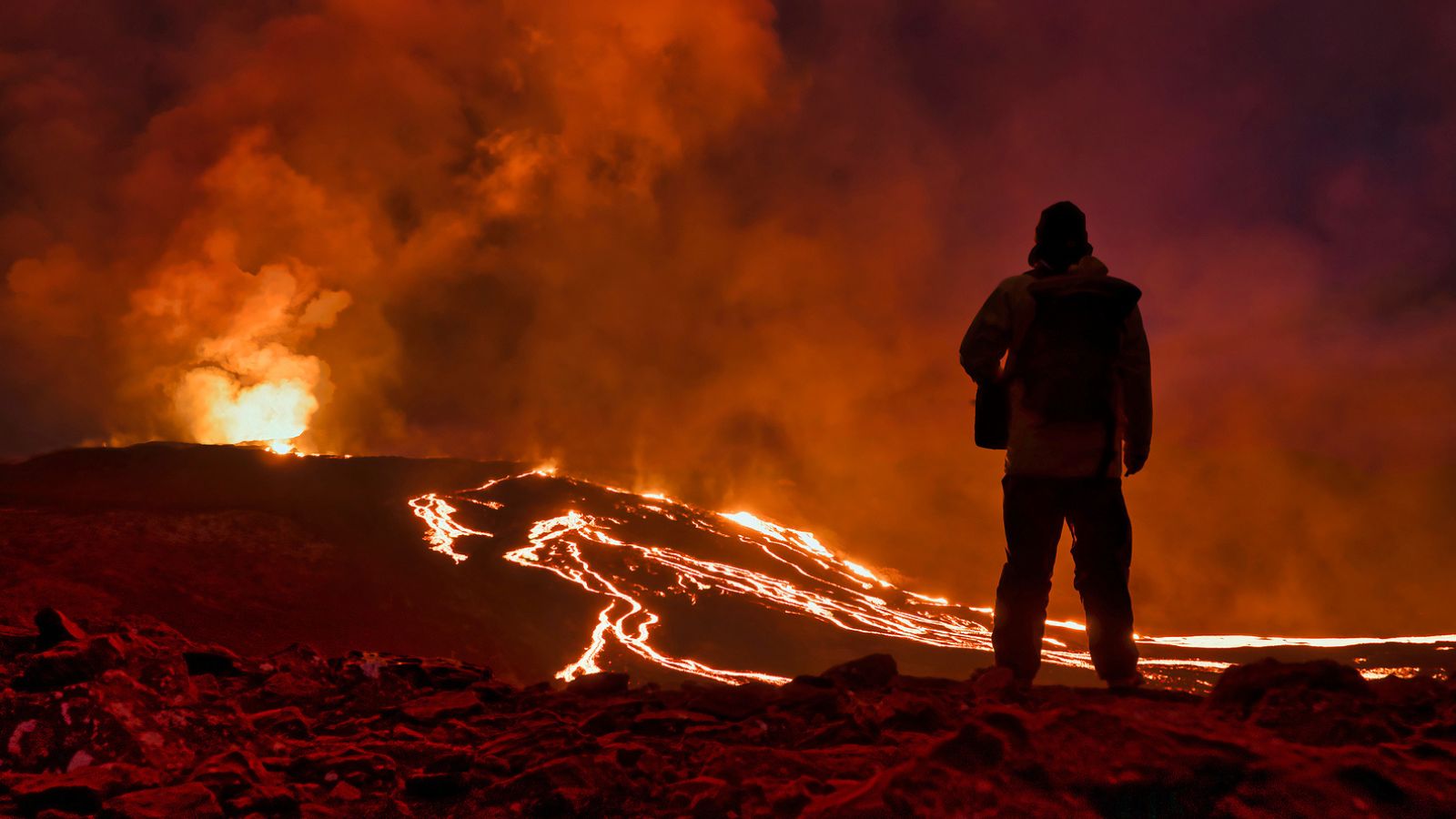
- Recent eruption sites: Fagradalsfjall and Reykjanes Peninsula (check access before visiting)
Budget-friendly ways to experience volcanic Iceland:
- Self-drive to all major geothermal areas on the Golden Circle
- Visit Reykjanes Peninsula's geothermal fields (30 min from the airport, completely free)
- Explore Dimmuborgir lava formations in North Iceland (free)
- Photograph steam vents and mud pots at Námafjall (free)
When tours make sense:
- Inside glacier ice caves (need special equipment and guide): ISK 18,000-28,000
- Lava tunnel tours: ISK 8,000-12,000 (unique experience worth considering)
- Volcano helicopter tours: ISK 50,000+ (only for special occasions)
Bottom line: 90% of Iceland's volcanic and geothermal attractions are accessible for free with a rental car. Save tours for experiences that genuinely require guides or special equipment.
What about tipping in Iceland?
Short answer: Tipping is not expected in Iceland.
Why no tipping:
- Service workers earn fair, livable wages
- Service charges are included in prices
- Tipping can actually be considered awkward or insulting
When you might tip anyway:
- Exceptional service at a high-end restaurant (5-10% is generous)
- Tour guides who go above and beyond (ISK 1,000-2,000/$8-$16)
What to do instead: If the service was excellent, leave a positive online review or mention it to management.
Should I exchange currency or use credit cards?
Use credit cards for everything. Here's why:
Advantages of cards:
- Iceland is virtually cashless; cards are accepted everywhere (even in public restrooms)
- Better exchange rates than cash exchanges or ATMs
- No need to carry cash
- Many cards offer no foreign transaction fees
- Contactless payments widely accepted
When you need cash:
- Basically never (maybe ISK 2,000-3,000 for absolute emergencies)
Tips:
- Notify your bank before travel
- Bring 2 different cards as backup
- Chip + PIN is standard (magnetic stripe is rarely accepted)
What currency does Iceland use?
How to Track Your Iceland Expenses
Why track expenses? You'll know exactly where your money goes and can adjust in real-time if overspending.
Best tracking methods:
- Use a shared expense app (for couples/groups)
- Splitwise (free, excellent for groups)
- Tricount (good for trip-specific tracking)
- Settle Up (simple interface)
- Daily budget spreadsheet
- Accommodation (pre-paid)
- Car rental + fuel
- Food (groceries vs. restaurants)
- Activities & entrance fees
- Miscellaneous (parking, souvenirs)
- Use your credit card app
- Most card apps categorize spending automatically
- Review nightly to see if you're on track
- Set spending alerts
- Simple notebook method
- Write down every expense when it happens
- Separate by category
- Total up each evening
Pro tip: Decide your daily budget upfront (e.g., ISK 40,000/$330 per day), then track whether you're under or over. Adjust next day's plans accordingly.
Real example: Day 3: Spent ISK 52,000 ($430) because we ate out twice (over budget)
Day 4 adjustment: Cooked all meals, skipped paid activity → ISK 28,000 ($230)
Result: Back on track for the week
Iceland vs Other Nordic Countries: Cost Comparison
Curious how Iceland compares to its Nordic neighbors?
|
Category |
Iceland |
Norway |
Sweden |
Denmark |
Finland |
|
Overall Cost |
Very High |
Very High |
High |
High |
Moderate-High |
|
Accommodation |
|||||
|
Dining Out |
|||||
|
Groceries |
$$$ |
$$$ |
$$ |
$$ |
|
|
Transportation |
$$-$$$ (car) |
$$$$ (all) |
$$ (trains) |
||
|
Activities |
$ (free nature) |
$$ |
Key insights:
Iceland's advantages:
- More free attractions (nature-focused)
- No expensive mountain railways or city transport needed
- Self-drive model keeps total costs manageable
- Better budget accommodation options than Oslo/Stockholm
Iceland's disadvantages:
- Dining out most expensive in the Nordics
- Limited competition = higher prices
- Everything imported = high base costs
Bottom line: Iceland and Norway tie for "most expensive" Nordics, but Iceland offers better budget-travel possibilities thanks to free nature and self-drive culture.
Sample Cost-Savvy Reykjavik Day
Prove that Iceland doesn't have to break the bank:
Morning (ISK 1,500 / $12)
- Coffee + pastry at local bakery: ISK 1,000 ($8)
- Free walk along Old Harbor and downtown
- Visit Hallgrímskirkja Church: ISK 500 ($4)
Midday (ISK 2,000 / $17)
- Lunch special at budget restaurant: ISK 2,000 ($17)
- Free museum visit (some days free) or window shopping
Afternoon (ISK 1,200 / $10)
- Local swimming pool: ISK 1,000 ($8)
- Free geothermal hot pots
- Coffee to go: ISK 500 ($4)
Evening (ISK 3,000 / $25)
- Self-cooked dinner with grocery store ingredients: ISK 1,000 ($8)
- Sunset drive to nearby viewpoint (free, just fuel: ISK 500/$4)
- Or attend a free cultural event (check local listings)
Total day cost: ISK 7,700 ($63) — significantly less than typical Reykjavik days
Bonus: You experienced local life authentically while saving money.
Worth Paying For vs. Save Your Money
Not all Iceland experiences are created equal. Here's what's genuinely worth the splurge and what you can skip:
Worth Paying For
Blue Lagoon or Sky Lagoon (at least once)
Cost: ISK 10,000-18,000 ($82-$148)
Why: Iconic Iceland experience, unique milky-blue water, stunning setting. Just go once.
Ice cave tour
Cost: ISK 18,000-28,000 ($148-$230)
Why: Can't access safely on your own, winter-only phenomenon, absolutely magical inside a glacier
Whale watching in Húsavík
Cost: ISK 12,000-16,000 ($98-$131)
Why: Best whale watching in Iceland, high success rates, incredible experience
One nice dinner
Cost: ISK 8,000-15,000 ($65-$123)
Why: Iceland has excellent restaurants, try local ingredients (lamb, fish, langoustine)
Snorkeling/diving Silfra
Cost: ISK 25,000-35,000 ($205-$287)
Why: Swim between tectonic plates, it’s the only place in the world you can do this
Skip or Find Alternatives
Northern lights tours
Cost: ISK 10,000-15,000 ($82-$123)
Alternative: Drive yourself (free except for fuel). Just as likely to see them.
Bus tours around the Golden Circle/South Coast
Cost: ISK 15,000-25,000 ($123-$205)
Alternative: Rent a car (ISK 8,000/day) and see the same things on your schedule, plus more
Expensive helicopter tours
Cost: ISK 50,000-100,000+ ($410-$820+)
Alternative: Drive the route yourself. The views from the ground are equally stunning. Only splurge if it's a once-in-a-lifetime celebration.
Multiple geothermal spas
Cost: ISK 10,000-18,000 each ($82-$148)
Alternative: Visit one nice spa + local swimming pools (ISK 1,000/$8) for the rest
Restaurant breakfasts
Cost: ISK 2,000-3,500 ($16-$29)
Alternative: Make your own (ISK 400/$3) with groceries. Save restaurants for dinners.
Downtown Reykjavík souvenirs
Cost: 3-4x more expensive than elsewhere
Alternative: Buy in smaller towns or at Keflavík Airport duty-free before departure
Final Thought: Make Iceland Intentional, Not Expensive
Iceland doesn't have to blow your budget. The secret is intentional travel:
1. Build days around free nature
With a rental car, Iceland's greatest hits, such as waterfalls, beaches, glaciers, and canyons, cost nothing but fuel.
2. Choose one paid highlight at a time
Plan one "hero experience" every 2-3 days. Surround it with free exploration.
3. Use strategic budgeting
- Cook breakfast, pack lunch, splurge on dinner
- Book accommodation 2-3 months ahead
- Travel shoulder season when possible
- Consider self-drive packages for bundled savings
The Truth: Every dollar you spend in Iceland buys something you can't experience anywhere else. And every hour you spend here creates memories that last forever, no line-standing required.
Common Iceland Budget Misconceptions
Let's bust some myths that might be holding you back:
Myth 1: "Iceland is too expensive for me"
Reality: Iceland has travelers at every budget level. Yes, luxury exists, but so does budget camping and hostels. The key is choosing the right season and being strategic about where you spend.
The fix: Follow our budget traveler guide above (~$2,200 for 7 days is very doable)
Myth 2: "Everything in Iceland is expensive"
Reality: Nature is free. With a rental car, you can spend entire days exploring waterfalls, beaches, canyons, and glaciers for just the cost of fuel.
The fix: Build days around free attractions, add one paid experience every few days
Myth 3: "You can't enjoy Iceland on a budget"
Reality: Many travelers say budget trips were better because they:
- Spent more time in nature (free)
- Met locals at guesthouses and pools
- Discovered off-the-beaten-path spots
- Felt more accomplished and resourceful
The fix: Embrace the adventure of budget travel
Myth 4: "I need to book tours for everything"
Reality: Tours are convenient but not necessary. With a rental car, you can access 90% of Iceland's attractions independently, on your schedule, for a fraction of tour costs.
The fix: Book only speciality tours (ice caves, glacier hiking) that require expertise or equipment
Myth 5: "Food will ruin my budget"
Reality: Only if you eat every meal at restaurants. Shop at Bónus, cook breakfasts and pack lunches, and you'll save ISK 100,000+ ($825+) per week.
The fix: Make restaurant dinners special occasions, not defaults
Myth 6: "I have to visit in summer"
Reality: Summer is the most expensive and crowded. Shoulder seasons (April-May, Sept-Oct) offer 80% of the experience at 60% of the cost, with bonus northern lights in fall!
The fix: Consider traveling in shoulder season for better value
Myth 7: "Camping is only for ultra-budget travelers"
Reality: Many mid-range travelers camp to save on accommodation, then splurge on experiences and nice dinners. Icelandic campsites have excellent facilities.
The fix: Don't dismiss camping, it's a legitimate, comfortable option in summer
Real Budget Examples from Travelers
Want to see real-world examples? Here's what actual travelers spent:
Sarah & Mike - Budget Road Trip (7 Days, September)
Total per person: $2,150
- Compact car rental: $420
- Hostels (some dorms, some private): $665
- Groceries + 2 restaurant dinners: $540
- Blue Lagoon + ice cave tour: $295
- Fuel + misc: $230
- Verdict: "We saw everything on our list and never felt deprived"
Emma - Solo Mid-Range (10 Days, May)
Total: $4,890
- Car rental (solo rate): $875
- Mix of guesthouses and hotels: $1,850
- Food (cooking breakfast/lunch, dining out for dinner): $1,150
- 4 paid activities: $615
- Fuel + parking + misc: $400
- Verdict: "Worth every penny. Traveling solo means freedom to explore at my pace"
The Chen Family - Comfort Trip (7 Days, July)
Total for family of 4: $12,400 ($3,100 per person)
- SUV rental: $1,470
- Family-friendly hotels: $3,920
- Food (mix of groceries and restaurants): $3,150
- 6 activities for family: $2,450
- Fuel + misc: $1,410
- Verdict: "More than we usually spend, but the kids are still talking about it a year later"
Ready to Plan Your Iceland Adventure?
Start here:
- Book your car rental (do this first—best rates book out early)
- Choose your season based on our when to visit guide
- Plan your route: