

12 Best Photography Spots in Iceland
12 Best Places in Iceland for Photography: Landscapes, Waterfalls, Wildlife and Beaches
Professional photographers and hobbyists love visiting Iceland because the variety is unreal. In a relatively small area, you can shoot everything from sandy deserts and highland roads to ice caves, black-sand beaches and steaming geothermal landscapes. Iceland is also shaped by constant tectonic activity, so if you are planning a landscape-heavy trip, it helps to understand the island’s volcanic history.
Iceland can feel like a photographer’s playground, but the best images usually happen when you get slightly off the main crowd flow, plan around light and weather, and know where to stop safely. This guide covers 12 of the best photography locations in Iceland across four categories, with practical shooting tips, driving guidance, and ethical notes for protecting nature.
Planning your route first makes every shoot easier. Use these two resources before you start: Your Guide to Planning a Road Trip in Iceland and Driving in Iceland.
Quick navigation
- Photographic Iceland landscapes
- Best waterfalls for photography
- Best locations for wildlife photography
- Most photographic Iceland beaches
- 2026 photography and driving tips
- FAQ
Photographic Iceland landscapes
Capturing Iceland’s landscapes is less about finding “a viewpoint” and more about timing, weather, and composition. Around every corner you will find texture and contrast: lava and moss, ocean and basalt, glaciers and black sand. If you want route ideas built for creators, this Westfjords-focused itinerary is a strong starting point: Iceland for Travel Bloggers: Westfjords.
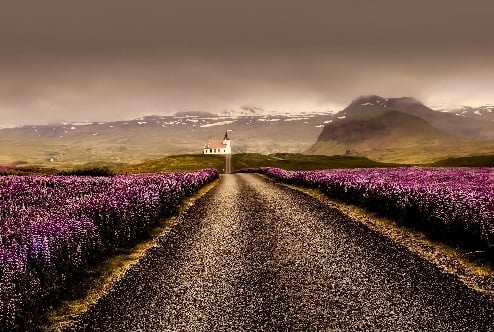
1. Kirkjufell
Distance from Reykjavík: 183 km
Approximate travel time: 2h 29min
Kirkjufell is one of Iceland’s most photographed mountains, but it still rewards effort. You have sea on one side and Kirkjufellsfoss on the other, which gives you classic “mountain + foreground waterfall” compositions. If you are chasing a fresher angle, use focal length and foreground layering rather than stepping off marked areas. Iceland protects fragile ground cover, and off-road movement can damage moss quickly.
If waterfalls are a major theme for your trip, use this hub to build your shot list: Ultimate Guide to Waterfalls in Iceland.
2. Eldhraun lava field
Distance from Reykjavík: 248 km
Approximate travel time: 3h 19min
Eldhraun is a wide, otherworldly lava field carpeted with moss. It photographs beautifully in soft light, fog, or low cloud because the textures pop without harsh shadows. This is also a place where ethics matter. Do not walk on the moss. It can take many years to recover when damaged. If you want “off-planet” frames, shoot low to emphasize texture, use leading lines from the road pull-offs, and look for scale with a safe, legal foreground.
3. Hólasandur
Distance from Reykjavík: 469 km
Approximate travel time: 5h 58min
Iceland has vast black-sand deserts, and Hólasandur is one of the most cinematic. The minimalist horizon, drifting sand, and distant mountains are perfect for wide-angle work, moody edits, and high-contrast compositions. Because the region is exposed, wind can be intense, so protect lenses and sensors. Hólasandur also pairs well with North Iceland exploration if you are building a longer itinerary.
Best waterfalls for photography in Iceland
Iceland has thousands of waterfalls, and many of the famous ones are easy to access from main roads. That makes them great for quick stops and “golden hour sprints,” but it also means crowds. Use early mornings, late evenings, and shoulder seasons for cleaner frames. If you want a broader waterfall list, start here: plentiful and beautiful waterfalls.
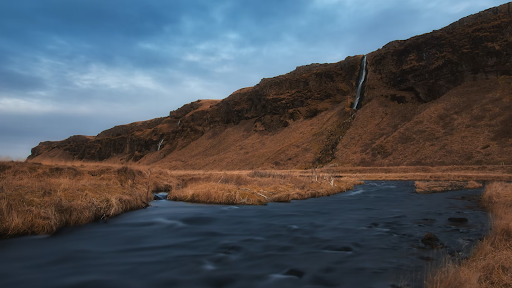
4. Gljúfrabúi
Distance from Reykjavík: 128 km
Approximate travel time: 1h 47min
Gljúfrabúi is a hidden waterfall inside a narrow canyon. To photograph it, you usually need to enter through a rock opening and wade through shallow water. Bring waterproof layers, a cloth for lens spray, and consider a wide lens to capture the canyon walls. The most dramatic frames happen when you expose for the bright water and keep detail in the cliffs.
5. Seljalandsfoss
Distance from Reykjavík: 128 km
Approximate travel time: 1h 46min
Seljalandsfoss is iconic because you can walk behind the waterfall. It is also one of Iceland’s spray-heavy spots, so waterproof protection matters. If you want cleaner images, go early, shoot from behind for silhouette frames, and use a fast cloth and a lens hood. The path can be slippery, especially in cooler months.
6. Gullfoss
Distance from Reykjavík: 116 km
Approximate travel time: 1h 45min
Gullfoss is a two-stage waterfall that drops into a canyon, which creates dramatic depth in photos. A slower shutter produces “silky” water, but keep an eye on mist and wind, which can soak gear quickly. If you are building a Golden Circle day, vehicle choice can matter in winter.
Best locations for wildlife photography
Iceland’s wildlife photography is dominated by birds, marine life, and a few key land mammals. You can find sheep and Icelandic horses easily, but species like Arctic Foxes and seabirds require targeted planning. Start with the broader wildlife hub here: Wildlife in Iceland. For a photography-specific guide, use: The Best of Iceland Wildlife Photography.
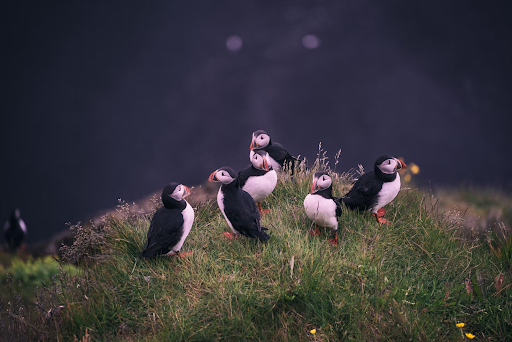
7. Látrabjarg Peninsula
Distance from Reykjavík: 424 km
Approximate travel time: 5h 49min
Látrabjarg is one of the most spectacular seabird cliffs in Iceland and a top place for puffin photography. Puffins are typically easiest to see between May and August. Be cautious near cliff edges, keep a safe distance from nesting areas, and avoid sudden movements that disturb birds. If you are planning a Westfjords route, use this regional guide for logistics: Guide to Iceland’s Westfjords.
8. Hornstrandir Nature Reserve
Distance from Reykjavík: 251 km
Access note: Boat access required
Hornstrandir is the best place in Iceland to photograph Arctic Foxes because they are protected and less fearful of humans than elsewhere. It is remote and demands preparation: weather changes quickly, there are no roads into the reserve, and you need strong gear and safety planning. If you are combining this with road travel elsewhere in the Westfjords, build buffer days into your itinerary for boat schedules and conditions.
9. Vatnsnes Peninsula
Distance from Reykjavík: 227 km
Approximate travel time: 2h 59min
Vatnsnes is one of the best regions for seal photography in Iceland. Arrive a few hours before low tide for the best chance of seals hauled out on rocks. Use a longer lens and stay respectful of distance to avoid stressing animals. Coastal wind can be strong, so stabilize tripod legs and protect lenses from salt spray.
Most photographic Iceland beaches
Iceland’s beaches are shaped by volcanic geology, so black and red sand are common. That contrast makes dramatic images, especially in stormy weather or low cloud. Keep safety front of mind. Waves can be unpredictable, and “