

Ultimate Guide To The Best Time To Visit Iceland
Updated December 10th 2025
When planning a trip to the land of fire and ice, the most common question we get is: "When is the best time to visit Iceland?"
The honest answer? It depends entirely on what you want to experience. Are you chasing the elusive Northern Lights, looking to drive the Ring Road under the Midnight Sun, or hoping to save money during the quiet season?
Iceland transforms completely between seasons. Winter offers snowy adventures and auroras, while summer brings endless daylight and accessible Highland F-Roads. This guide breaks down the weather, wildlife, and driving conditions for every month to help you decide.
Quick Answer: When Should You Go?
| Goal | Best Time |
| Best Overall Weather | July – August |
| Best for Northern Lights | October – March |
| Best for Low Prices (Budget) | April, May, September (Shoulder Season) |
| Best for Puffins & Whales | June – August |
| Best for Hiking & F-Roads | July – Early September |
Best Month to Visit Iceland: A Seasonal Breakdown
To help you plan your 2025 or 2026 trip, here is what to expect during each season.
Winter (November – March)
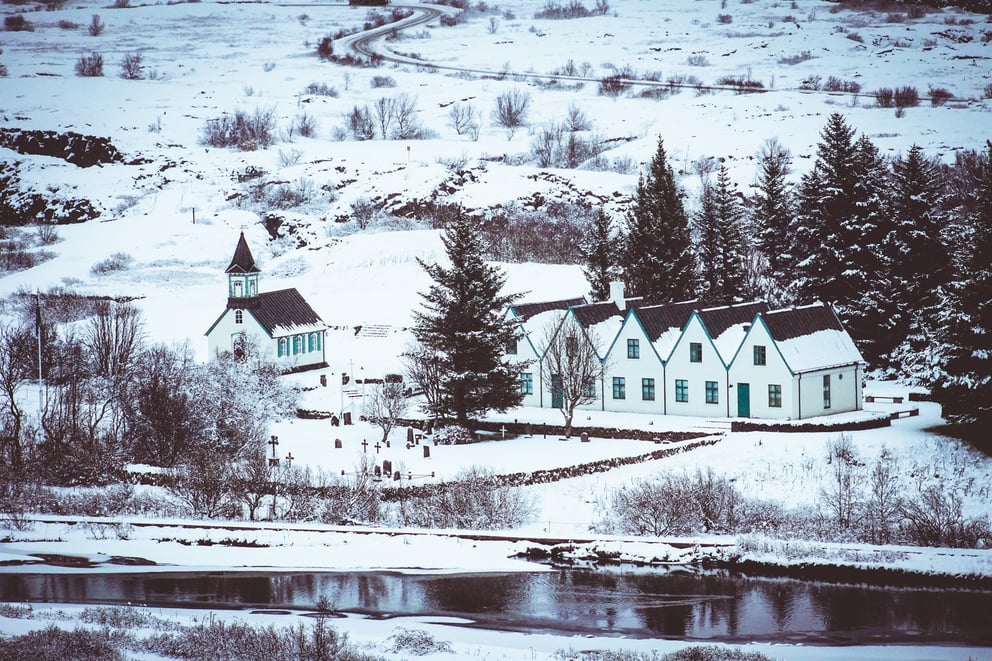
Winter is the time for snow, ice caves, and the Aurora Borealis. The days are short and dark, but the atmosphere is cozy and magical.
- Highlights: Northern Lights, frozen waterfalls, Christmas markets in Reykjavik.
- Driving: Roads can be icy. We highly recommend renting a 4x4 vehicle for safety.
- Read More: Iceland in December | Iceland in January
Spring (April – May)
Spring is the "awakening" season. The snow begins to melt, the days get longer rapidly, and migratory birds return.
- Highlights: Puffins arrive in late April/May, lupine flowers bloom, and waterfalls are powerful from melting snow.
- Crowds: Much quieter than summer, making it a great time for solitude.
- Read More: Wildlife in Spring
Summer (June – August)
This is the most popular time to visit. The Midnight Sun means it never truly gets dark, giving you 24 hours of daylight to explore.
- Highlights: Accessible Highland roads (F-Roads), lush green landscapes, whale watching, and camping.
- Driving: All roads, including mountain tracks, are generally open.
- Read More: Ultimate Guide to Summer
Autumn (September – October)
A favorite for photographers. You get the best of both worlds: decent daylight for driving and dark enough nights to spot the first Auroras of the season.
- Highlights: Fall colors, berry picking, and cheaper prices than peak summer.
- Read More: Iceland in October | Driving in Fall
Best Weather in Iceland: What the Data Says
Icelandic weather is famously unpredictable. However, looking at the averages can help you prepare. If you want the warmest temperatures, July and August are your best bet. If you want to drive for 10+ hours a day, avoid December and January when daylight is limited to 4-5 hours.
| Month | Avg. Temp (°C) | Avg. Daylight |
| Jan - Feb | -2°C to 2°C | 5 - 8 hours |
| March - April | 0°C to 5°C | 11 - 15 hours |
| May - June | 6°C to 11°C | 18 - 21 hours |
| July - Aug | 10°C to 15°C | 16 - 20 hours |
| Sept - Oct | 4°C to 9°C | 10 - 13 hours |
| Nov - Dec | -1°C to 3°C | 4 - 6 hours |
Note: Always check Vedur.is for real-time forecasts and warnings, especially regarding wind speeds.
Best Time to Visit for Northern Lights
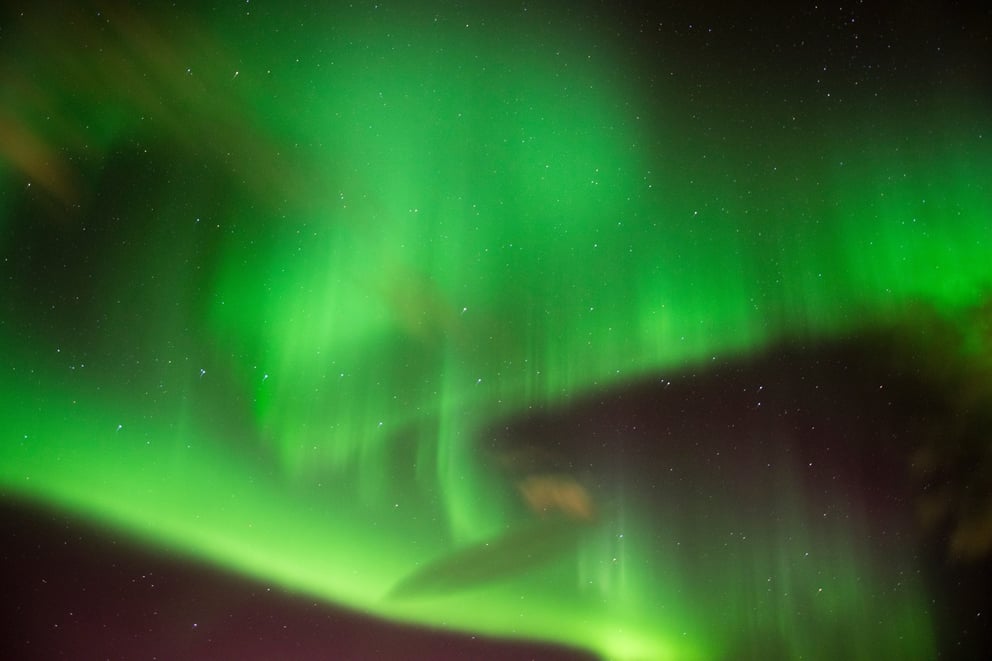
The Northern Lights (Aurora Borealis) require darkness to be seen. Therefore, you cannot see them from mid-April to mid-August due to the Midnight Sun.
Late September to March is the prime season. For the absolute best odds, visit in deep winter (November-February) when the nights are longest. However, you need clear skies, so mobility is key—having a rental car allows you to chase the clear patches of sky away from city lights.
Tip: Check out our guide on Best Places to See Northern Lights near Reykjavik.
Best Time for Wildlife: Puffins & Whales
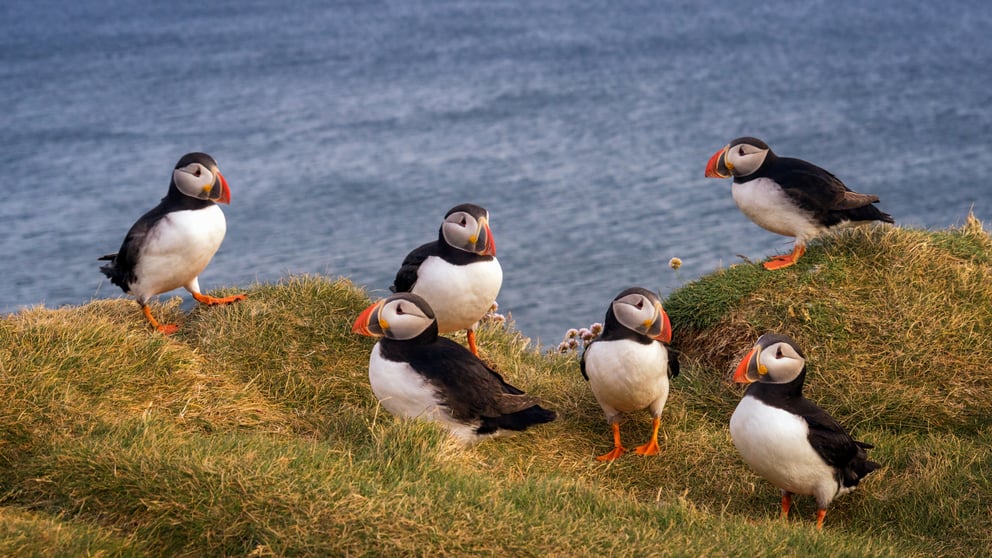
Puffins: These iconic birds spend most of their life at sea, only coming to land to breed. They arrive in Iceland in late April/early May and leave by late August. The best time to see them is June and July.
Whales: You can see whales year-round, but the success rate is highest in summer (June-August) when over 20 species frequent Icelandic waters. Husavik is known as the whale-watching capital of Europe.
Best Time for Hiking & Highlands
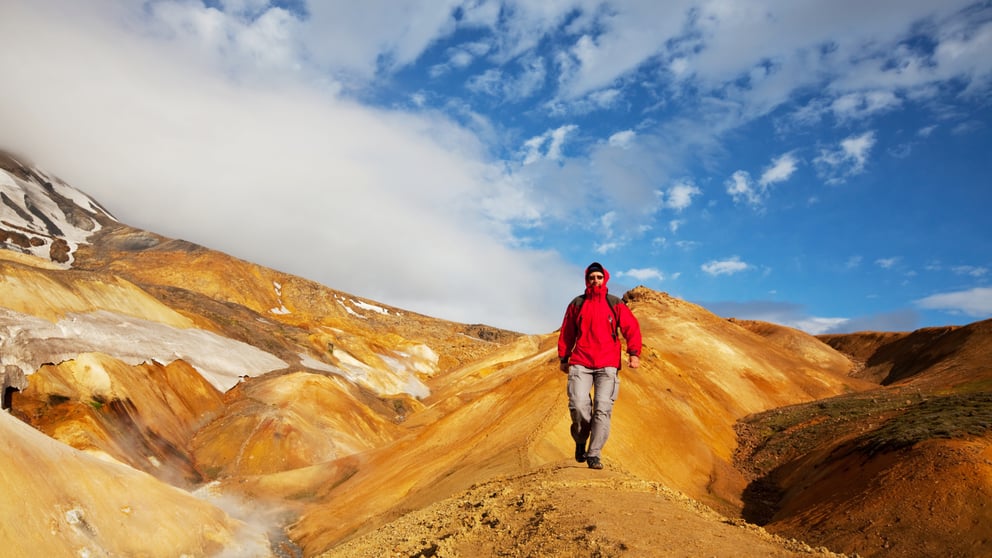
If your dream trip involves trekking Landmannalaugar or hiking Thorsmork, you must visit in summer. The Highland roads (F-Roads) that access these areas are closed due to snow and mud for most of the year.
- F-Road Opening Times: Generally mid-June to early September.
- Vehicle Requirement: By law, you must have a 4x4 vehicle to drive on F-roads.
Cheapest Time to Visit Iceland (Budget Tips)
Iceland is known for being expensive, but timing your visit can save you a lot of money. The "Shoulder Season" offers lower prices on flights, accommodation, and car rentals.
- Cheapest Months: April, May, late September, October, and November.
- Budget Tip: Renting a manual transmission car or a smaller vehicle in the shoulder season is one of the smartest ways to save.
Conclusion: Planning Your 2026 Trip
No matter when you choose to visit, Iceland delivers unforgettable experiences. The key to a successful trip is matching your vehicle to the season.
- Winter Trip? Prioritize safety with a 4x4 SUV.
- Summer Ring Road? A comfortable sedan or family car is perfect.
- Highland Adventure? You need a raised 4x4 Jeep.
Ready to start your adventure? Browse our range of hire cars and lock in your dates today!