
Sólheimasandur Plane Wreck
Iceland is well known for offering visitors the opportunity to discover otherworldly landscapes combined with historical wonder, and it doesn’t get much better than the mysterious Sólheimasandur plane wreck.
Iceland is often marketed as a land of waterfalls, volcanoes and glaciers. While its landscapes are undeniably dramatic, reducing Iceland to nature alone misses a deeper story. Beneath the lava fields and coastal cliffs lies a culture shaped by isolation, storytelling, resilience and creativity.
Icelandic culture is not loud or ornamental. It is subtle, literary, design-conscious and deeply connected to both history and environment. From Viking sagas to contemporary music, from national holidays to coffee rituals, cultural identity runs through everyday life.
This guide explores Icelandic culture in depth, covering history, arts, language, social values, festivals and modern influences, while linking to detailed resources that help you experience it properly during your visit.
Iceland’s cultural foundation begins with Norse settlement in the 9th century. The island was settled primarily by Vikings from Norway, along with Celtic influences from Scotland and Ireland. This heritage remains central to Icelandic identity today.
The Icelandic sagas, written in the 13th century, document family histories, conflicts and exploration. These texts are not just historical documents but literary achievements studied worldwide. Iceland remains one of the few countries where medieval literature continues to influence modern identity.
For a deeper understanding of Iceland’s Viking legacy and how it still shapes the country, see Iceland and Vikings.
Many historical sites across the country reflect this era, and museums in Reykjavík provide accessible context for visitors interested in early settlement and governance.
Icelandic is one of the most linguistically preserved languages in Europe. Modern Icelanders can still read medieval sagas with relatively little translation. Language preservation is a source of national pride.
Despite the small population, Iceland has one of the highest rates of published authors per capita in the world. Books remain central to Icelandic life, particularly during the Christmas season when the tradition of gifting books, known as the “Jólabókaflóð,” takes place.
If you are curious about the language itself, read How to Learn Icelandic for practical insight.
Iceland has produced globally recognized musicians despite its small population. Creativity is strongly encouraged within education and community culture.
Contemporary Icelandic music ranges from experimental electronica to indie rock and classical composition. The country’s music scene often reflects its environment: atmospheric, introspective and textural.
For a deeper look into notable figures, see 5 of the Best Icelandic Artists and Famous Icelanders You Should Know About.
Road trips often include curated playlists that reflect seasonal moods. See Iceland Winter Road Trip Playlist and Iceland Summer Road Trip Playlist for inspiration.
Reykjavík serves as Iceland’s cultural center for contemporary art and exhibitions. Galleries range from experimental installations to historical collections.
For a structured overview, see Reykjavík's Best Art Galleries and Museums.
Art in Iceland frequently reflects themes of landscape, isolation and natural forces. Even small towns often feature community art spaces, reinforcing how deeply creativity is embedded in daily life.
Christianity became Iceland’s official religion around the year 1000. Today, Lutheran traditions remain dominant, though society is largely secular.
Church architecture across Iceland often mirrors the surrounding landscape, with small rural churches standing alone against mountains and fjords.
Explore notable examples in Top 5 Churches in Iceland.
Iceland celebrates several national holidays that reflect both historical milestones and cultural traditions. National Day on June 17 commemorates independence from Denmark in 1944.
Other holidays mix folklore, religious roots and seasonal celebration.
For a detailed breakdown, see Guide to Icelandic National Holidays.
Coffee plays an outsized role in Icelandic daily life. Social gatherings often revolve around casual coffee breaks rather than formal events.
Learn more in Ultimate Guide to Icelandic Coffee.
Iceland consistently ranks high in global happiness and sustainability indices. Renewable energy production, gender equality and strong social systems contribute to this reputation.
For deeper insight, see How Sustainable is Iceland? and Why are Icelanders so Happy?.
Iceland’s landscapes have attracted filmmakers for decades. Major international productions use the country’s terrain to represent otherworldly environments.
Explore specific filming locations in Famous Movie Locations in Iceland and discover historical sites like the Sólheimasandur Plane Wreck.
Sport, particularly football, plays an important role in national pride. Iceland’s performance in international tournaments strengthened a sense of unity and global recognition.
Learn more in Football in Iceland.
Understanding local customs enhances your experience. Icelanders value punctuality, personal space and environmental respect.
Review Dos and Don’ts of Iceland for practical guidance.
Despite its small population, Iceland offers diverse social experiences. From romantic geothermal pools to vibrant nightlife in Reykjavík, cultural life extends beyond museums.
Explore relationship-focused experiences in Romantic Iceland.
Small population, high literacy rates, geothermal heating and volcanic landscapes all shape daily life in ways visitors may not anticipate.
For lighter insights, see Fun Facts About Iceland.
Iceland’s cultural identity is inseparable from its landscape, but it is not defined solely by it. Literature, music, sustainability and community traditions reveal a society that values creativity and resilience.
Scroll below to explore our detailed culture guides and discover how to engage meaningfully with Icelandic life during your visit.
22 Results
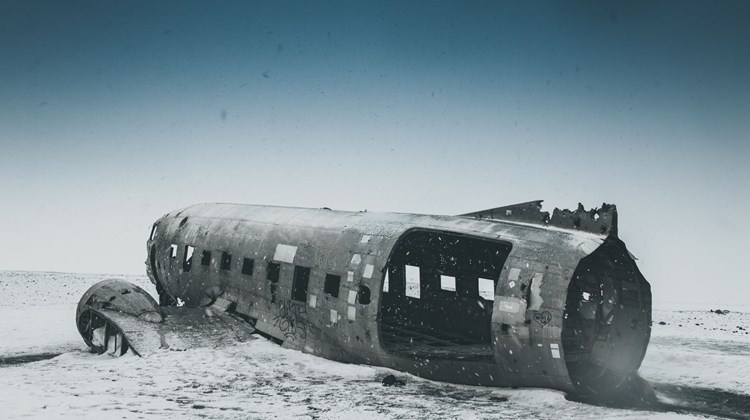
Iceland is well known for offering visitors the opportunity to discover otherworldly landscapes combined with historical wonder, and it doesn’t get much better than the mysterious Sólheimasandur plane wreck.
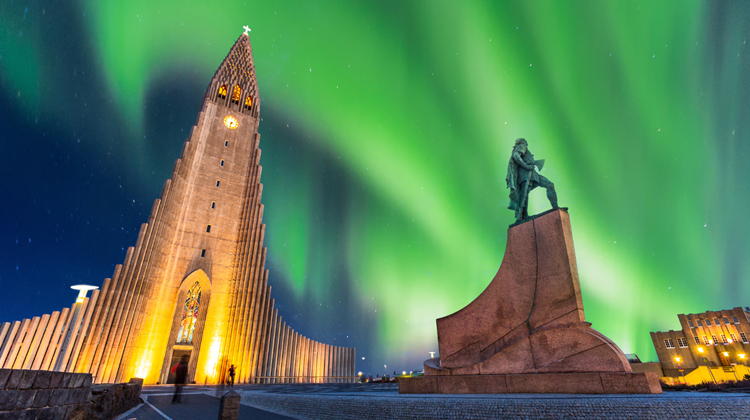
Reykjavik is a city full of vibrant life and exploration, no matter the time of day. But if you’re craving something truly special, Reykjavik at night offers an unforgettable way to experience Iceland’s wonders after the sun goes down.
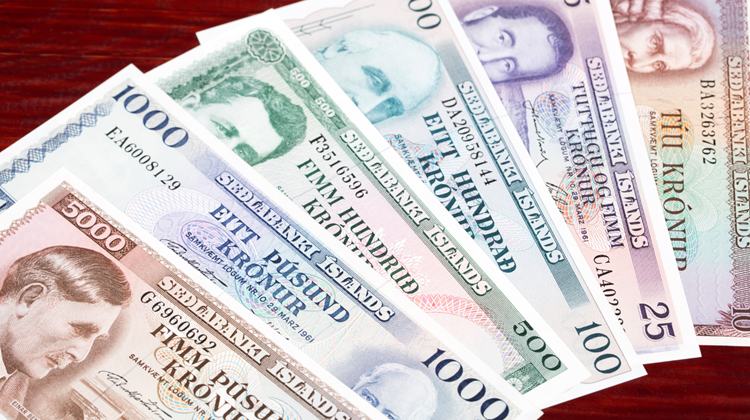
If you’re planning a holiday to Iceland or your trip is coming up, money will always be a consideration. While it is part of the European Economic Area and, in fact, on the European continent, Iceland has not adopted the Euro. And despite its links to the United States, dollars won’t be of any use here either.
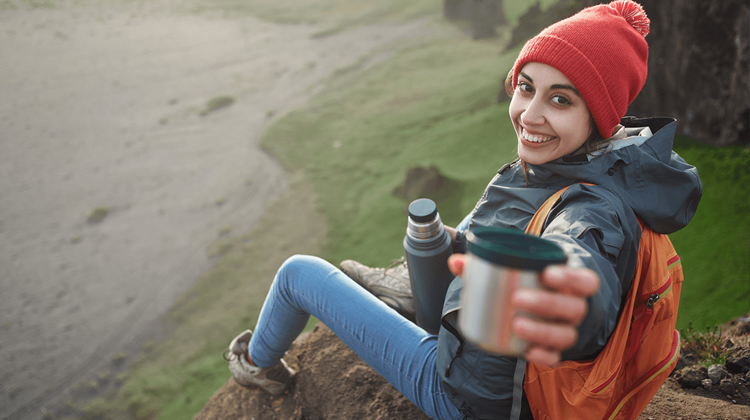
For people across the world, coffee is so much more than a drink or a caffeine boost. It’s an important part of life, and in Iceland, this is no exception.
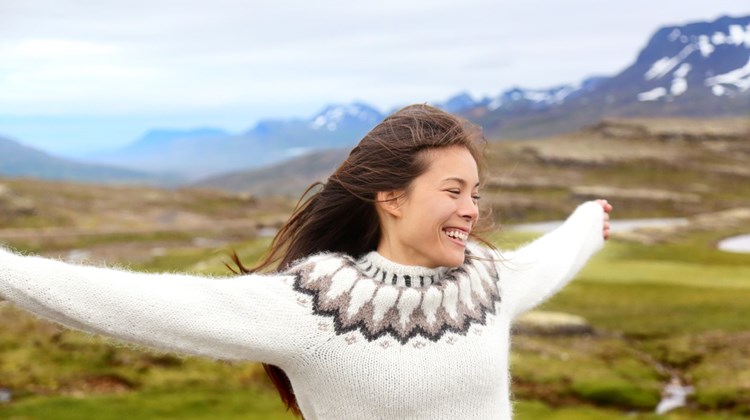
Did you know that Iceland is the third happiest country in the world? Find out why Icelanders are so happy in our latest blog. Read now!
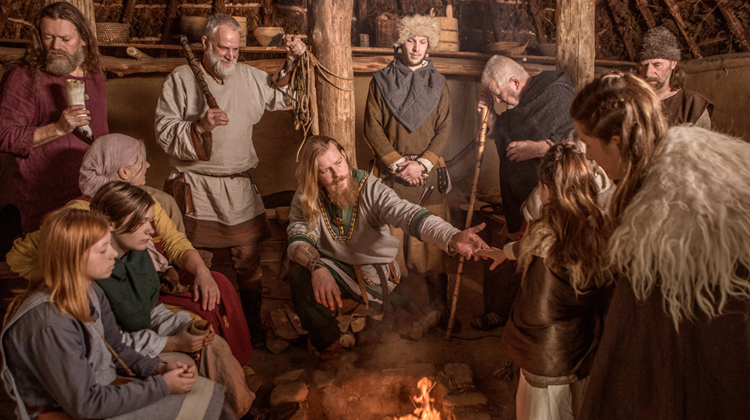
Learn about Iceland’s fascinating Viking history and how that legacy impacts the country’s inhabitants today. Read our blog now.
Curious about Iceland’s most famous artists? Here’s an expert guide to 5 of the best - you may even be familiar with some of their best work.
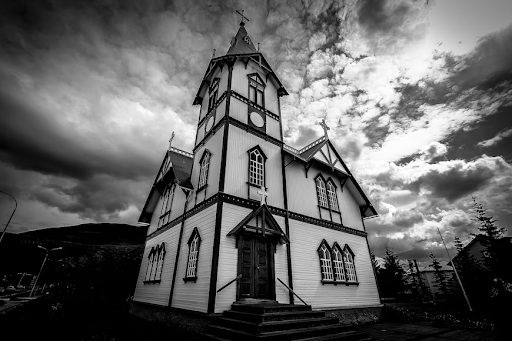
Iceland is home to some of the most beautiful and unique churches in amazing locations. Discover Iceland’s top 5 churches in our blog.
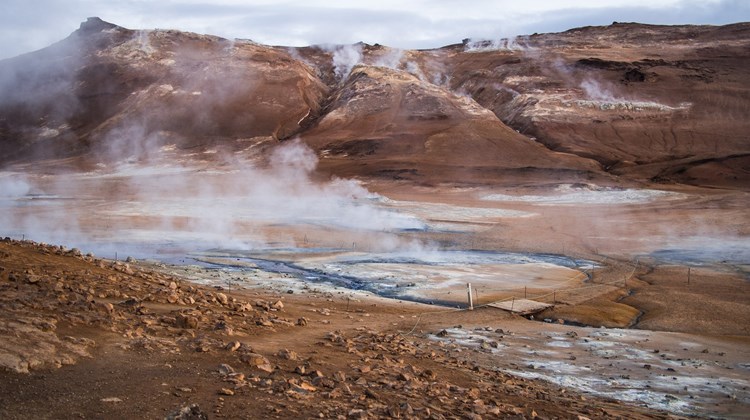
Iceland is an incredibly green country. Let’s take a look at Iceland’s sustainability ratings and how the country achieves them.
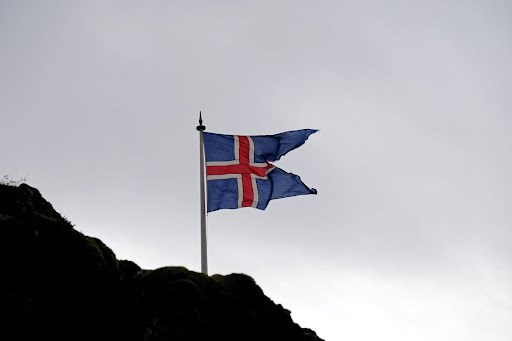
Learn all about the different national holidays observed and celebrated in Iceland. Some might be more unexpected than others.
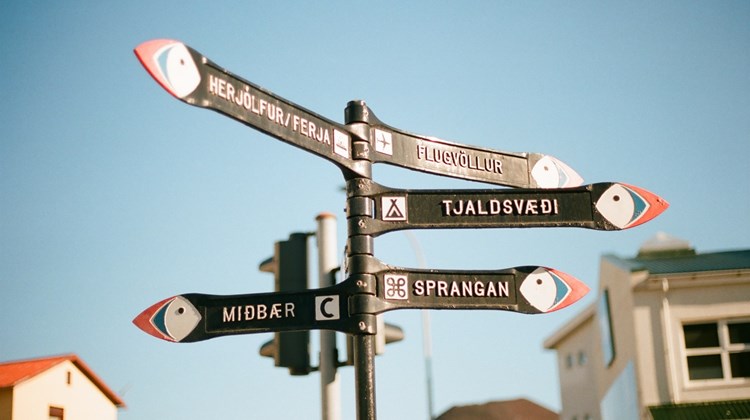
Interested in learning Icelandic? Whether you want to learn a few phrases for an upcoming holiday to Iceland or you’re just curious, read our blog.
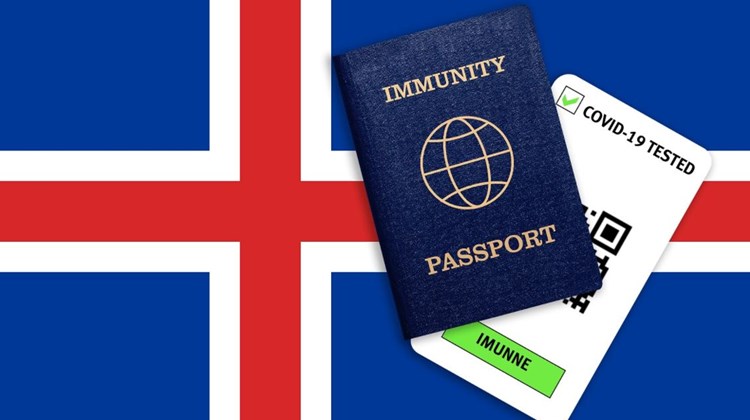
If you are planning a multi-city trip and stopping in several destinations it might be better to wait until later in the year or 2020 when the international situation improves. We have put together a guide on what you should expect when visiting Iceland post Covid-19.