

What Not to Wear in Iceland
What to Wear in Iceland and What to Avoid
Pretty much everyone who visits Iceland wants to make sure they pack the right items in their suitcase. It’s a land renowned for temperamental weather, so making sure you’ve packed something for all occurrences is key. But perhaps even more important than asking what you should wear in Iceland, is asking what you shouldn’t wear.
Updated 5th of February 2026.
What You Need to Know About Packing for Iceland
When traveling to Iceland, what you wear can make or break your trip. The weather here is famously unpredictable, one minute calm and sunny, the next wet and windy. That’s why being properly equipped for Iceland’s subarctic climate is essential.
To help you decide what should (and shouldn’t) go in your suitcase, we’ve outlined the most common packing mistakes travelers make when visiting Iceland.
Because Icelandic weather varies dramatically from month to month and season to season, we’ve also put together packing lists of essentials for both winter and summer. While you might want to pack more, there are a few crucial items on our lists that will keep you dry, warm, and comfortable, making your time in Iceland that much more enjoyable.
It goes without saying that what you need to pack should depend on the activities you plan to undertake - for example, a quick sightseeing stop in Reykjavík may not require sturdy hiking boots!
What Not To Pack For Iceland: Common Mistakes
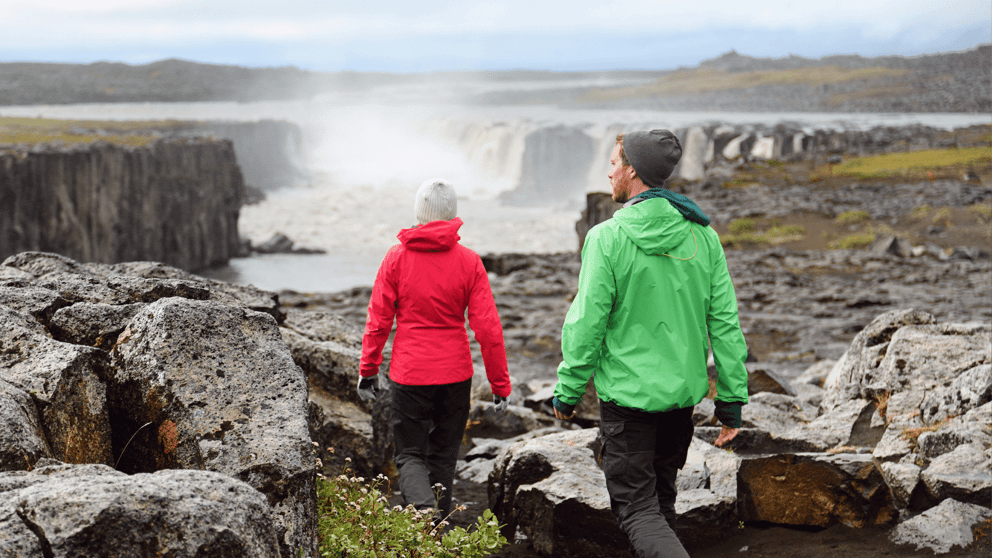
Before we dive into our top tips by season, here are a few things to be cautious of while packing your suitcase.
1. Inadequate Layers
Iceland’s climate is milder than you’d expect, considering its location in the Arctic Circle. However, this is no excuse to not wrap up warm! Layers are the best answer if you're not sure what to wear in Iceland. Do not wear fewer than three layers, as you will be susceptible to Iceland’s brutal rain and wind. It is good to have at least three layers of thermal gear to ensure maximum protection from the cold.
The climate varies between different parts of the island, so be sure to do some research on the climate of the area you will be visiting before your trip. The benefit of layering is that no matter where you are, you can remove or add clothing items to adjust to the temperature or type of weather.
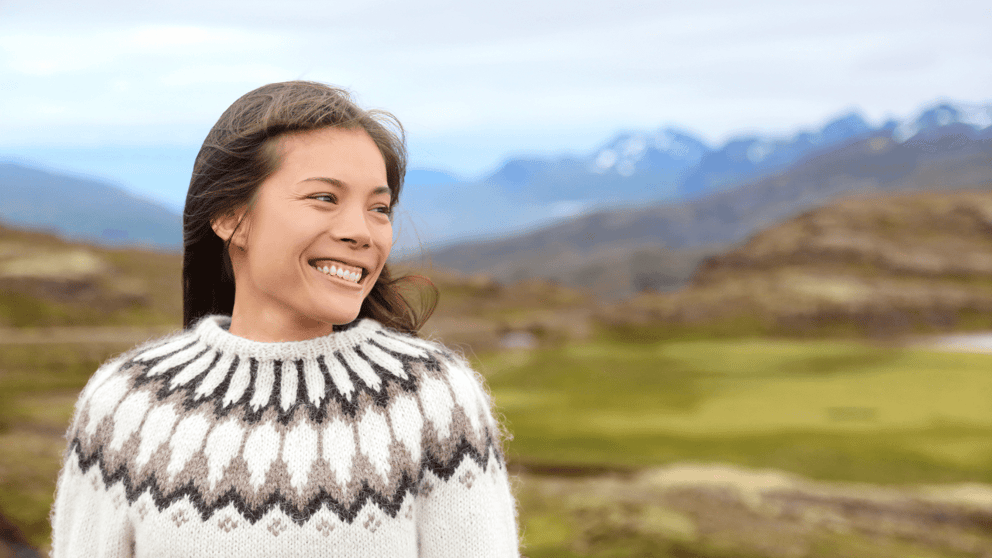
When you are traveling in Iceland, you may notice that many of the Icelanders wear knitted sweaters. This is called a ‘lopapeysa’ and is the perfect insulation layer for any season. We definitely recommend investing in one to wear during your time in Iceland!
2. Non-Waterproof Coats and Jackets
Breaking news: it rains in Iceland all year round. Do not wear jackets and coats that will not protect you from the rain. With the average rainfall measuring 798.2 mm per year, it is very important to come prepared with the right gear. Ensure that your waterproof jacket is of good quality and durable, as you will likely be wearing it every day. If you bring a coat or jacket that isn’t waterproof, you'll regret it and probably find yourself soaked through to the skin.
3. Thin Socks
Wearing thin socks is a killer, especially in Iceland! Ensure that your socks are thick and preferably woolen so that your feet won’t get too cold. If you can’t find woolen socks, try wearing a few pairs to retain more heat. Thick socks are also great as they will prevent you from getting blisters and sores on your feet, especially when wearing hiking boots.
4. Slippery Shoes
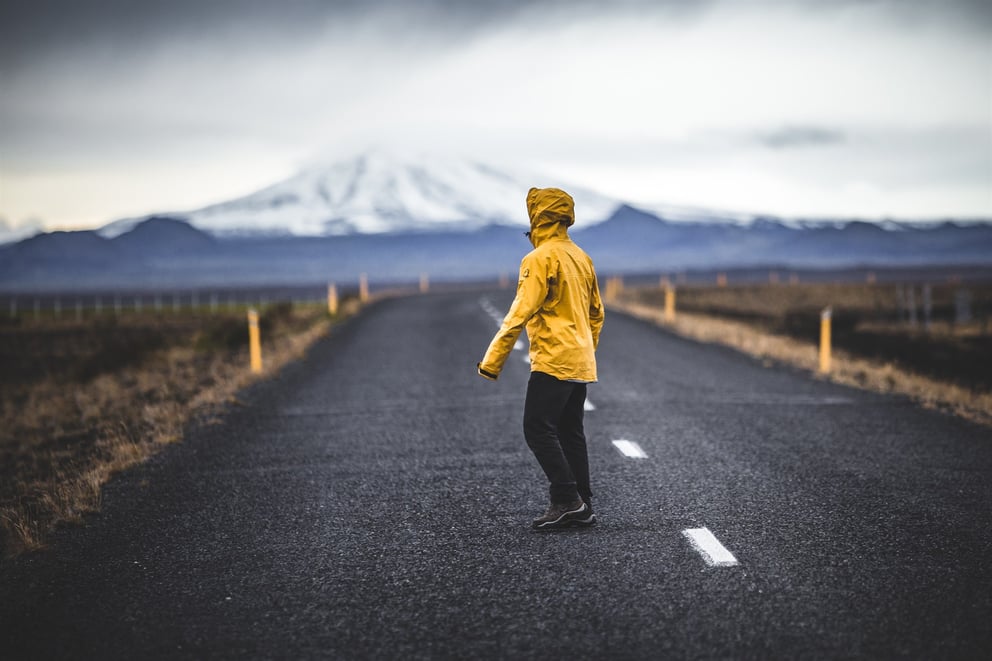
Slippery shoes with minimal grip can be very dangerous when exploring Iceland, especially when walking on wet surfaces or uneven terrain. Ensure that your shoes are sturdy, even if you are not planning on hiking. It is also important to make sure that your shoes fit correctly, as you don’t want to end up with painful blisters.
For a day in the city, you may be able to get away with a pair of sneakers. However, when out exploring the wilderness, we recommend wearing hiking boots or crampons (on glaciers) to ensure stability on icy or wet ground.
5. Formalwear
Outings in the cities and towns of Iceland don’t require dressing up, even bars in Iceland's cities are very laid back on dress codes, so save some space in your suitcase when packing for the evenings in Reykjavík! Just wear enough layers to be warm, and perhaps bring a waterproof jacket just in case.
6. Jeans
As a general rule of thumb, jeans are not the best pants for Iceland. When exploring Reykjavík or taking a simple walk in the town, jeans are fine, but you may find yourself getting chilly. If you are hiking, jeans can get wet, and the strong winds can make them quite uncomfortable. A pair of thermals or waterproof pants will work great because they are comfier and will keep you very warm. Thermal leggings are great to wear in Iceland as they are soft and comfy, but will still retain heat.
What To Pack For Iceland: Season By Season
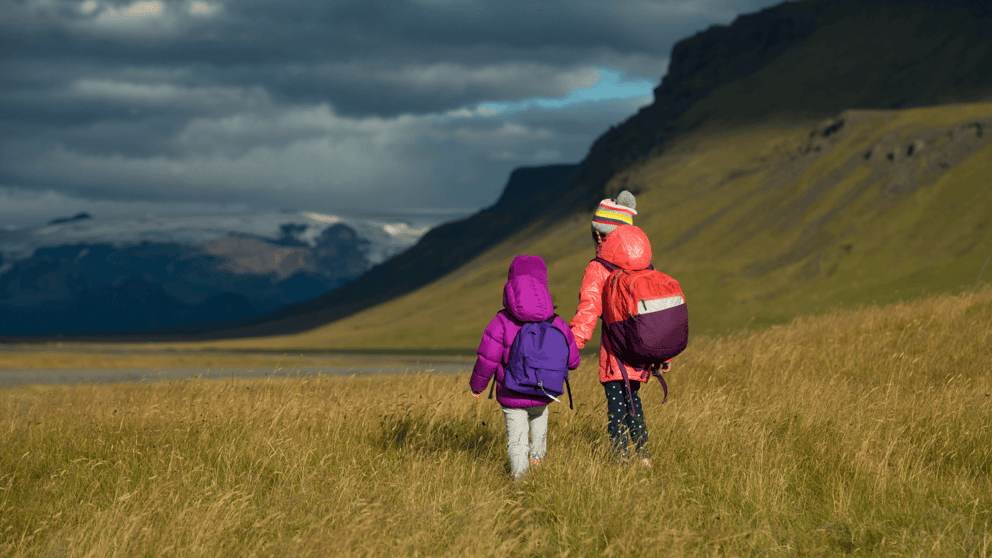
Now that we’ve covered some basic no-nos for what not to take with you to Iceland, here are some easy-to-follow packing lists for your trip! What you’ll need to take will depend on what you plan to do on your trip, but also on the season. While Iceland remains fairly mild year-round, there are a few essentials for visiting in summer or winter. Let’s take a look.
Packing List For Winter In Iceland (November - February)
The average temperature in Iceland during the winter is roughly 1.7°C (35°F), with January being the coldest month, hitting 0°C. Admittedly, that isn’t the coldest temperature ever, but when it’s combined with bitterly strong winds and frequent rain or snow, it can make the experience very unpleasant if you’re not prepared.
With the rapidly changing weather, going from still sunshine to ice flying horizontally, layering is the best solution. Whilst most of these items can be found in Iceland, buying the clothes now will be much cheaper than once you arrive. Read on to find out how to stay warm and comfortable this winter!
- Thermals: Thermals are a great addition to a cold hike or sightseeing excursion.
- Waterproof trousers: Jeans and hiking trousers are okay for the city, but a pair of waterproof trousers becomes near-essential once you venture out into the elements.
- Fleece: A warm layer to put on top is necessary, though we recommend the traditional Icelandic wool sweaters.
- Warm, waterproof coat: This can be thinner if your fleece layer is thick, and vice versa, but there are plenty of options for you.
- Hat, Gloves, & Scarf: Your extremities are likely to become the coldest parts of your body and can leak body heat very fast. Make sure that your hat covers your ears and is waterproof so you won’t get wet if it rains.
- Hand warmers: If you’re going to be outside for long or you’re more sensitive to the cold, hand and foot warmers are incredibly useful.
- Woolen socks: Make sure that your socks are warm, especially if you are going to be out and walking around.
- Walking boots: You may be able to get away with sneakers on a decent day in the city, but with the icy roads and snow everywhere, we recommend shoes with a good grip.
- Sunglasses: The sun is low in the sky during winter, and the ground is icy and white, reflecting sunlight, so make sure that you’re wearing sunglasses.
- Sunscreen & Moisturizer: The sun is very strong in Iceland, especially when it rises or sets, so make sure that you’re taking care of your skin.
- Swimsuit & Towel: Despite the cold, a swimsuit is useful year-round, with the geothermal pools and hot springs like a warm hug on a cold day. These rejuvenating dips are the highlights of any trip, so come prepared.
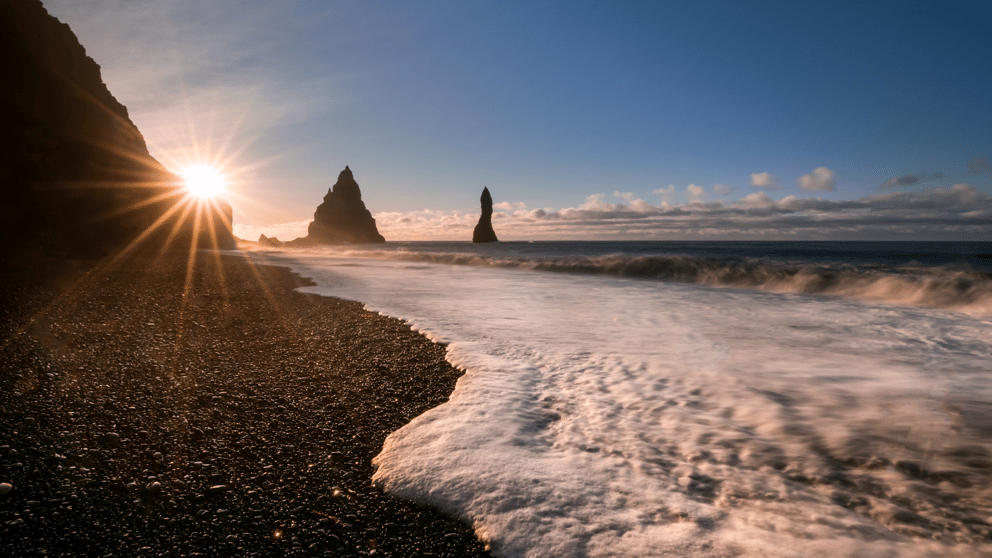
Packing List for Summer in Iceland (June - August)
All the above can apply to the warmer months too, but there are a few things that you shouldn’t leave out of your suitcase if you’re visiting during summer. These are primarily for hiking and outdoor activities that are more popular when it is milder.
-
Clothing Layers: Despite the temperatures in Iceland being higher in summer, the weather is famed for being changeable, so light layers are always the best plan.
-
Eye Mask: You might want an eye mask to help block out the Midnight Sun, especially if you are planning to camp in Iceland.
-
Bug Spray: Midges are notoriously common around bodies of water like lakes and ponds in Iceland, particularly from June to August, so bug spray can be a good idea.
-
Reusable Water Bottle: There is never a need to purchase bottled water here; the tap water in Iceland is some of the tastiest in the world! Don’t forget to bring a reusable bottle for your trip.
-
Sunglasses & Sunscreen: While the sun might not be out all the time, protecting your eyes and skin is still essential - don’t get caught out!
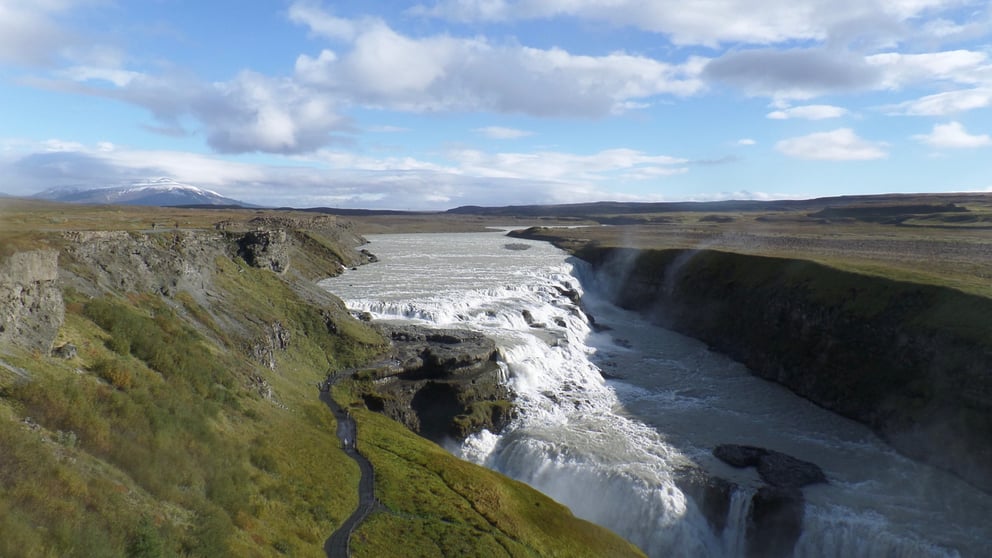
What To Pack For Shoulder Seasons In Iceland?
September is one of the most popular months for shoulder season travel, with tourists able to see the best of both: Mild temperatures and the chance to spot the Northern Lights! If you’re visiting during a transition month like this, it can be tricky to know what to wear. Remember that the weather is entirely changeable, so your best bet is to constantly check the forecast before and during your holiday. Here are a few key things to remember for visiting in September:
- Thin Layers: Thin layers are the best way to ensure you remain at a comfortable temperature in all conditions.
- Waterproof Layers: A thin, waterproof outer shell is a good way not to overheat but to remain dry during hiking and sightseeing around Iceland.
- Waterproof Hiking Boots: If you’re planning on hiking in September, sturdy boots are essential year-round.
- Swimsuit & Towel: You can enjoy both geothermal pools and local swimming pools around the country in September.
- Flashlight: If you’re planning to explore for long days, a flashlight is a good way to ensure you can make the most of your time while remaining safe.
- Photography Gear: If you’re keen to catch the Northern Lights in September, don’t forget the photography equipment you’ll need.
Now that you're an expert on what you should wear in Iceland and what to leave out of your suitcase, you can set off knowing you’re fully prepared! While you're in Iceland, why not choose to travel at your own pace with a hire car from Iceland Car Rental?