
Things to Do in Iceland in December
Plan your winter trip with our guide to the top 10 things to do in Iceland in December. Experience stunning sights, festive fun, and icy adventures.
Almost every traveler planning a trip to Iceland asks the same question: what will the weather be like? Iceland’s climate has a reputation for being unpredictable, cold and extreme. The reality is more nuanced. While the country does experience strong seasonal shifts, it is not as harsh year-round as many assume.
Iceland has four defined seasons. Winter brings snow, storms and Northern Lights. Spring offers transitional light and fewer crowds. Summer delivers near-constant daylight and accessible highlands. Autumn combines color, dramatic skies and increasing aurora activity.
Where you are in Iceland also matters. The south coast tends to be milder due to ocean currents, while the north and inland regions experience colder winters and more snow accumulation. Weather conditions can shift quickly in any season, which is why preparation and flexibility are essential.
This guide explains Iceland’s seasons in detail, including temperature expectations, daylight hours, travel conditions and what each period offers. It also connects you to detailed month-specific resources so you can plan with confidence.
Iceland has a subarctic maritime climate. Thanks to the North Atlantic Current, temperatures are milder than many other places at similar latitudes. Winters in Reykjavík are often comparable to northern coastal cities in Europe rather than Arctic extremes.
That said, weather variability is real. Wind can be strong at any time of year. Storm systems move quickly. Sunshine can shift to rain within minutes. This unpredictability is part of the Icelandic experience.
The key is not fearing the weather, but respecting it.
Winter is the season that generates the most concern among travelers. It is also one of the most rewarding times to visit if you prepare properly.
Average winter temperatures in Reykjavík typically range between -3°C and 4°C. Northern Iceland can be colder, with heavier snowfall. Wind chill can significantly affect perceived temperature.
Daylight hours shrink dramatically. In December, Iceland receives approximately 4 to 5 hours of daylight around the winter solstice. This limited light creates long golden hours and striking photographic conditions.
For travelers interested in festive experiences, see Christmas in Reykjavík and Things to Do in Iceland in December.
Winter allows access to ice caves, glacier tours and Northern Lights viewing. Snow-covered landscapes create a dramatically different atmosphere compared to summer.
For seasonal activity planning, review The Best Winter Activities in Iceland.
Month-specific breakdowns are available in:
Spring is transitional. Snow begins melting in coastal areas, daylight increases rapidly and tourism numbers remain moderate compared to summer.
March often still feels like winter, particularly in the north. By May, conditions can resemble early summer in southern regions.
Explore Iceland in March for detailed expectations.
Spring is often overlooked, but it offers strong value for travelers seeking balanced conditions: improving roads, increasing daylight and reduced peak pricing.
Summer is Iceland’s most popular season. Temperatures typically range from 8°C to 18°C, though warmer days are possible.
One of summer’s defining features is the Midnight Sun. Around the summer solstice, the sun barely sets, providing near-24-hour daylight. This extended light allows flexible travel schedules and extended exploration.
Learn more in The Midnight Sun in Iceland.
The Icelandic Highlands typically open in late June or early July, depending on snow conditions. This unlocks interior routes and remote landscapes inaccessible during winter.
For a comprehensive overview, see Ultimate Guide to Summer in Iceland.
Wildlife activity also peaks during summer, particularly birdlife and whale watching opportunities.
Autumn blends elements of summer and winter. Early September can still feel like late summer, while November often resembles early winter.
September and October offer balanced daylight and the return of Northern Lights opportunities as darkness increases.
For detailed planning, see:
Autumn often provides strong value, with fewer crowds than summer and greater flexibility in bookings.
South Iceland benefits from milder maritime conditions. Northern Iceland and inland areas typically experience colder winters and heavier snowfall.
Wind exposure varies significantly, especially along coastal cliffs and open plains. Travelers driving around the country should monitor local forecasts regularly.
The best time depends on priorities.
For a full breakdown comparing all seasons, see Ultimate Guide to the Best Time to Visit Iceland.
Weather can impact driving conditions, tour schedules and flight operations, particularly in winter. Road closures occur occasionally during severe storms.
Flexibility is key. Build buffer time into itineraries during winter months. Monitor local forecasts and road conditions before long drives.
Iceland is not defined by one season. Each period offers distinct advantages and challenges. Understanding temperature, daylight and regional variation allows you to plan realistically rather than relying on assumptions.
The right season depends entirely on your travel goals. Whether you want ice caves, midnight sun, wildlife or quiet roads, there is a time of year that aligns with your priorities.
Explore our detailed month-by-month guides below to plan your trip with clarity and confidence.
12 Results

Plan your winter trip with our guide to the top 10 things to do in Iceland in December. Experience stunning sights, festive fun, and icy adventures.
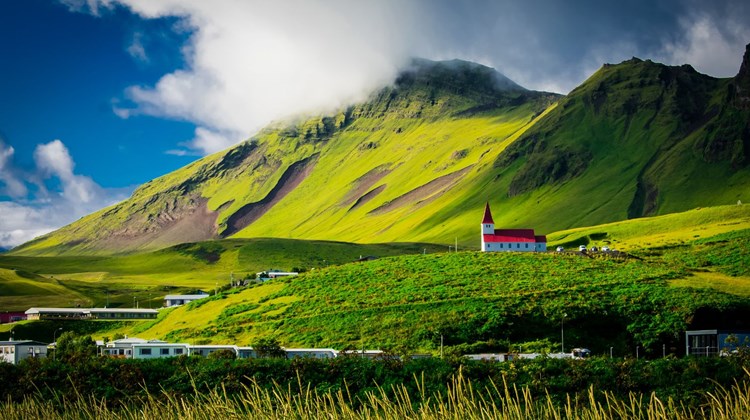
Summer in Iceland provides visitors with an unforgettable experience. With almost endless daylight, tumbling waterfalls, and wildlife thriving across the island, it’s one of the most magical times to explore this Nordic land.

Want a magical Christmas underneath the Northern Lights this holiday season? Read these 5 reasons as to why you should spend Christmas in Reykjavik.
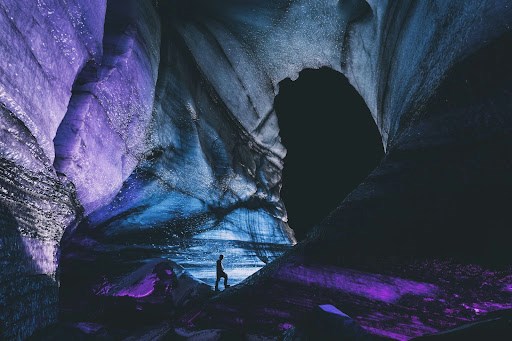
A trip to Iceland in November is guaranteed to leave you wanting more. We’ve put together a guide on everything you’ll need to know for your visit.
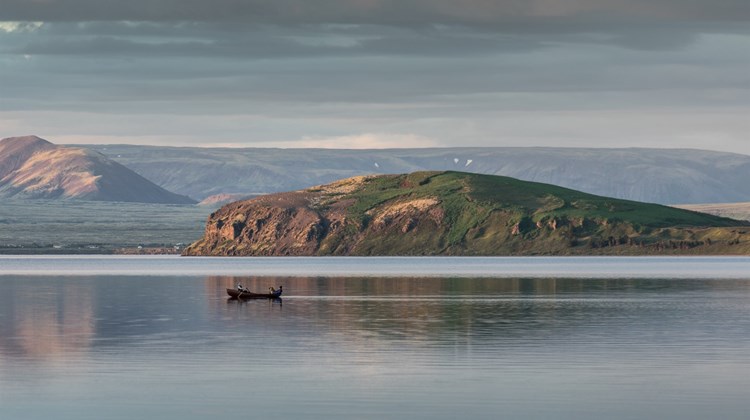
Not sure when the best time to visit Iceland is? Discover when to visit with our useful guide and book your trip with us today. Read now.
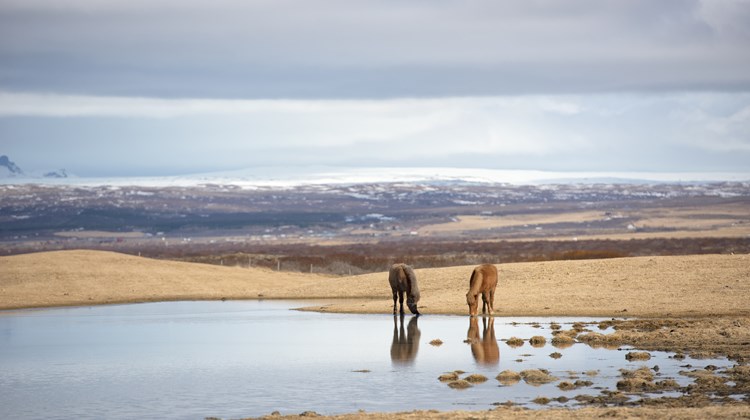
March in Iceland is a good and quiet time to visit, with fewer tourists but less severe weather.
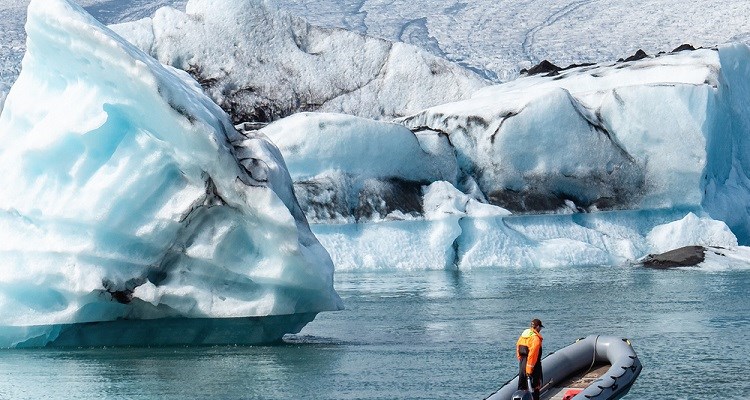
Are you planning a trip to Iceland in January? Be sure to check out our blog to get more detail about what to expect.
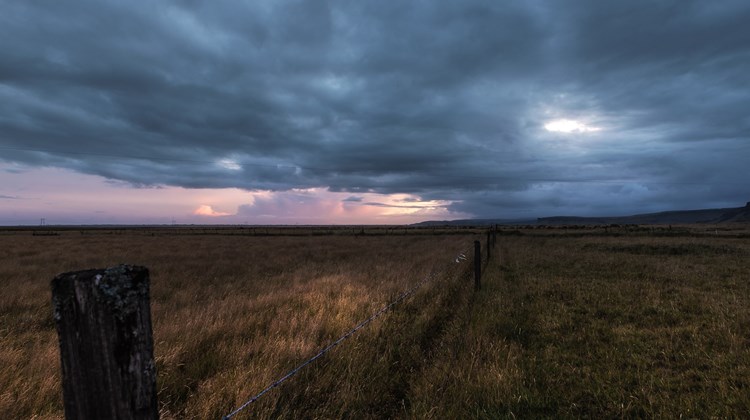
Click here to find out why October is a great time to travel to Iceland and all the fun things you can do once you are there!
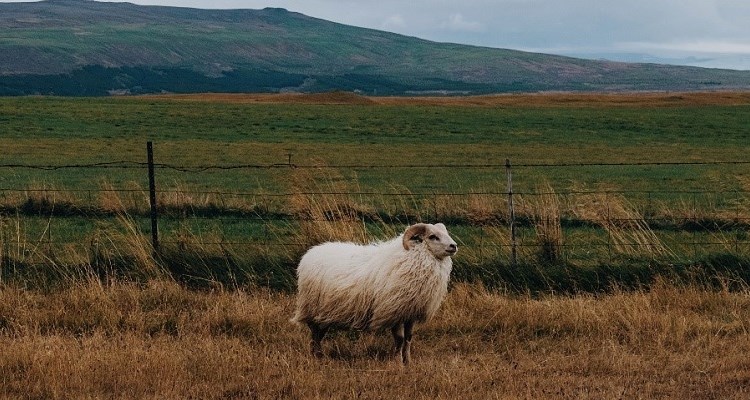
Not known for its abundance of wildlife, rather loved for its history and some animals, Iceland does have some wildlife that it is known for, such as the Arctic Fox or the Viking Horse. Some of these animals can only be seen during the summer, so read on to find out which ones and how to best increase your chances to see them!
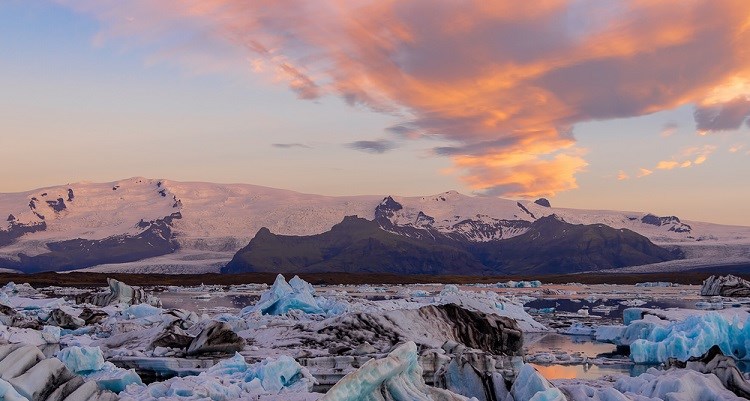
Iceland faces extreme changes in daylight throughout the year. The Iceland Midnight Sun, also known as ‘polar day’, is a natural phenomenon that occurs during the summer months when the sun remains visible 24 hours a day, meaning the sun never fully sets.
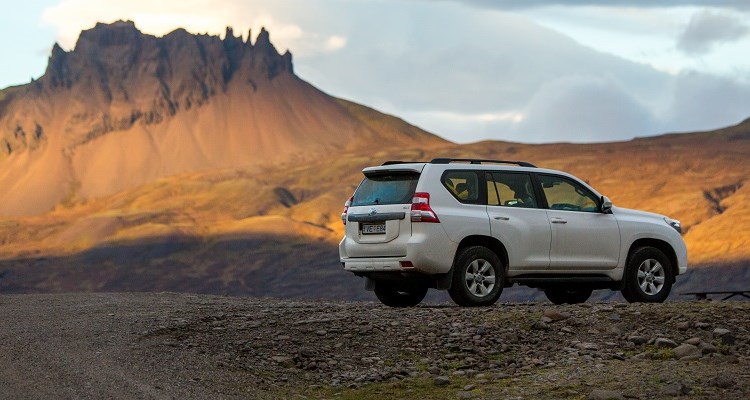
Visiting Iceland in February is one of the best times of the year to visit this gorgeous island country, particularly for those who want to experience the winter season.
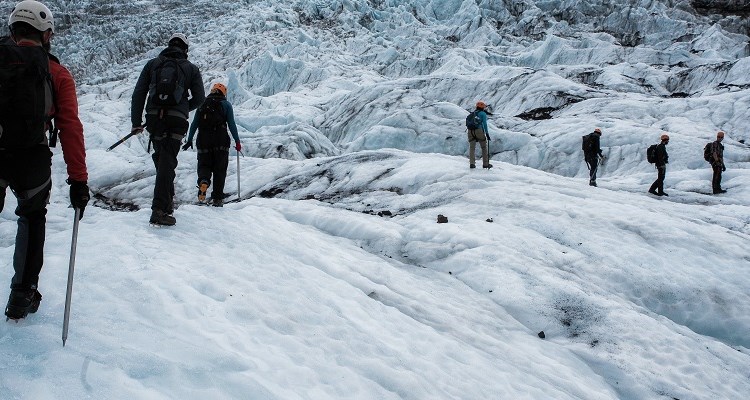
If you’re planning on visiting Iceland in the Winter, then there are some winter activities that you might want to consider while you’re there.