Driving in Iceland
The Complete Guide for a Safe Self-Drive Trip
Driving in Iceland is one of the best ways to experience the country properly. You are not limited by tour timetables, you can stop when the light hits the mountains just right, and you can build an itinerary around the places you actually care about. A rental car also makes the practical side easier: airport pickup, luggage, reaching accommodation outside the city, and visiting natural sights that sit far from public transport.
At the same time, Iceland rewards preparation. Roads change quickly from smooth paved sections to gravel, weather can turn within minutes, and some routes require specific vehicle types by law. This guide is designed as a pillar page that covers the essential rules, real-world driving conditions, seasonal risks, and planning steps that help you drive confidently. Where a topic needs deeper detail, we point you to supporting resources so this page can act as your main hub for everything about driving in Iceland.
How driving in Iceland is different
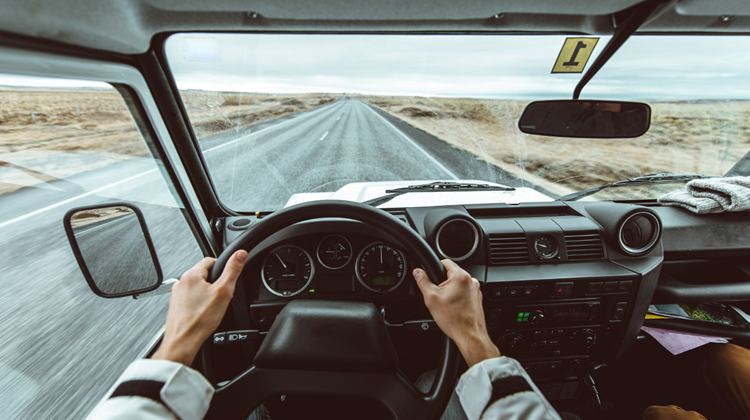
Iceland is not difficult to drive in if you understand the constraints. The biggest differences are not the traffic or the signage, but the combination of weather, road surface changes, and exposure. Many scenic stretches are open, elevated, or coastal, so wind becomes a real driving factor. Gravel remains common outside main routes, especially in rural regions. One-lane bridges still appear on popular routes, and some mountain tracks are only accessible for a short summer window.
Another key difference is that the country’s topography and climate affect daily decision-making. In many destinations you can commit to a route in the morning and expect it to stay safe all day. In Iceland, the safest drivers behave more like pilots: they check conditions, keep alternatives in mind, and adjust plans based on forecasts and closures.
Driving laws you must know before you start
Driving side and basic rules
Iceland drives on the right-hand side of the road. The driver sits on the left side of the vehicle. Most visitors from Europe and North America will find the basic flow familiar, but you should still take it slow for the first hour after pickup, especially if you are jet-lagged or arriving during winter darkness.
Headlights are required at all times
One rule visitors forget is the requirement to keep headlights and taillights on at all times, even in bright daylight. Iceland uses this to reduce collisions in shifting light, fog, rain, and sudden snow. If your car has automatic lights, confirm that the rear lights also activate. If you are unsure, switch them on manually and leave them on.
Seatbelts and child safety
Seatbelts are mandatory for all passengers. If you are traveling with children, use an appropriate child seat or booster based on age and size. When you rent, confirm the correct seat option in advance, and learn how to install it securely before leaving the pickup area.
Mobile phone use
Using a phone while driving is not worth the risk. If you need navigation, set your route before you move, and keep the phone mounted. If you must take a call, use fully hands-free. If conditions are complex, pull over safely rather than trying to multitask while the road surface is changing.
Alcohol and impairment
Iceland enforces a very strict approach to drink driving. The practical rule for travelers is simple: do not drink and drive at all. If you plan a dinner with alcohol, plan transport so nobody needs to drive afterward.
Speed limits and what they really mean
Speed limits in Iceland are lower than many visitors expect, and the conditions often justify it. Standard limits are typically 50 km/h in towns, 80 km/h on gravel rural roads, and 90 km/h on paved rural roads. On top of that, local conditions can require you to drive well below the posted limit. Gravel, wind gusts, rain, and poor visibility are common reasons to reduce speed. Cameras and enforcement exist, and fines can be significant. The safest approach is to treat the posted limit as a maximum under ideal conditions, not a target you must reach.
Official speed limits in Iceland
Speed limits in Iceland depend on road type and surface. Always treat these as maximum limits under ideal conditions. In wind, rain, snow, gravel, or poor visibility, you should drive significantly slower.
| Road Type | Surface | Maximum Speed | Practical Advice |
|---|
| Urban areas (towns & cities) | Paved | 50 km/h | Watch for pedestrians, cyclists, roundabouts, and frequent intersections. |
| Rural roads (Route 1) | Paved | 90 km/h | Reduce speed in wind, rain, fog, and near blind hills or one-lane bridges. |
| Rural roads | Gravel | 80 km/h | Slow down before transitioning from pavement to gravel. Increase braking distance. |
| F-roads (mountain roads) | Rough gravel / tracks | Variable (often 30–80 km/h) | Speed depends entirely on terrain. Drive slowly on river crossings and rocky sections. |
| Residential zones & school areas | Paved | 30 km/h (where posted) | Strict enforcement. Always respect reduced local limits. |
Speed cameras operate throughout Iceland, especially near towns and along major routes. Fines are high and are commonly charged to the rental agreement. Always adjust your speed to the conditions rather than focusing only on the posted limit.
Road types in Iceland and how to handle each one
Paved main roads
The primary routes between towns and major attractions are paved and generally in good condition. Route 1, the Ring Road, is the backbone of Iceland’s road network and is typically suitable for standard two-wheel-drive vehicles in summer. Even so, you will still encounter narrow bridges, occasional uneven surfaces, and short gravel segments due to road works. Stay alert for sudden changes and reduce speed when the road texture changes.
Gravel roads
Gravel roads are a defining part of Iceland. They are not inherently dangerous, but they demand a different driving style. Braking distances are longer, the car may feel less stable during turns, and small stones can chip paint or crack windshields when other cars pass at speed. The best technique is smooth and calm driving: reduce speed before you reach gravel, avoid harsh steering inputs, and leave extra distance between you and the vehicle ahead.
If you are new to gravel, the first 10 to 20 minutes can feel uncomfortable. That is normal. After you adjust, it becomes easier. Keep your speed conservative, particularly on blind corners and hills. When meeting oncoming traffic, reduce speed and move to the right to limit stone spray.
One-lane bridges
One-lane bridges appear on popular stretches, including parts of the Ring Road. The rule is common sense: slow down, look for oncoming vehicles, and yield to the car that is already on the bridge or clearly closest. Many bridges have good visibility, but some are positioned on gentle rises that reduce your view. Approach at a safe speed so you can stop smoothly if needed.
Mountain roads and F-roads
F-roads are mountain tracks that lead into Iceland’s highlands. They are rougher than standard gravel roads and often include river crossings, sharp rocks, steep gradients, and limited mobile coverage. They are typically open only in summer, and they require a proper four-wheel-drive vehicle with sufficient ground clearance. If you want highland travel, you should plan the vehicle type and insurance coverage from the start.
Do not treat an F-road like a normal scenic detour. They are remote, weather changes quickly, and rescue can be expensive. If you are not experienced with remote driving, it is usually smarter to visit highland areas via guided tours or to stick to more accessible routes where conditions are simpler.
Tunnels and tolls
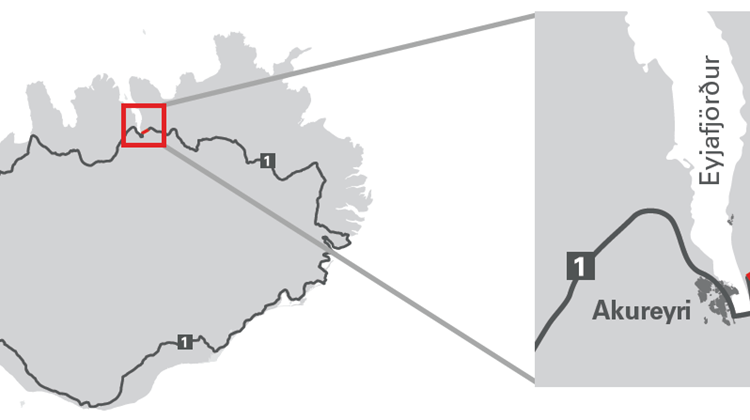
Iceland has very few tolls compared with many countries. The main toll most travelers might encounter is the Vaðlaheiðargöng tunnel in North Iceland. If your route takes you near Akureyri and your navigation suggests the tunnel, plan ahead so you understand how payment works. If you do not need it, you can sometimes take an alternative mountain pass in good weather, but the tunnel can be safer in winter.
Weather in Iceland: the real reason driving can feel hard
If there is one topic that decides whether your Iceland road trip feels smooth or stressful, it is weather. Wind, rain, snow, and fog can appear quickly, and because many roads are exposed, you can feel it immediately behind the wheel. This is why checking conditions is not optional. It is a core part of safe driving in Iceland.
Where to check conditions
Before you drive each day, check road conditions and closures on the Icelandic Road and Coastal Administration site, and check forecasts and alerts on the Icelandic Met Office site. You should also respect physical signage on the road, because local closures can happen fast due to snow, flooding, or sudden storms.
Wind: the risk most visitors underestimate
Wind is not just uncomfortable. It can move your car within your lane, especially when you pass gaps in the landscape, bridges, or open coastal sections. It also causes a common and expensive type of rental damage: doors catching the wind and bending hinges or cracking panels. The fix is mostly behavioral. Reduce speed when gusts hit. Keep both hands on the wheel. Leave extra space next to cyclists and pedestrians. When parking, try to position the car so the wind hits the front rather than the side. When opening doors, hold them firmly with two hands, and open them slowly.
For a deeper guide dedicated to wind hazards, read our supporting article on wind safety: Driving in Icelandic Wind: How to Stay Safe and Avoid Damage Costs.
Rain and visibility
Rain can reduce visibility quickly, especially when it combines with spray from other vehicles. Keep a longer following distance, use headlights as required, and avoid sudden braking on wet roads. If visibility drops sharply, slow down early and look for a safe place to pause. In Iceland, it is normal to wait out a short burst of heavy weather rather than forcing the drive.
Fog
Fog is common in coastal and mountainous regions. Use low beams, avoid high beams that reflect back, and drive well below the speed limit. If you cannot see the road edge confidently, it is time to slow down dramatically or stop at a safe pull-off until the fog lifts. Fog can change within minutes.
Snow and ice
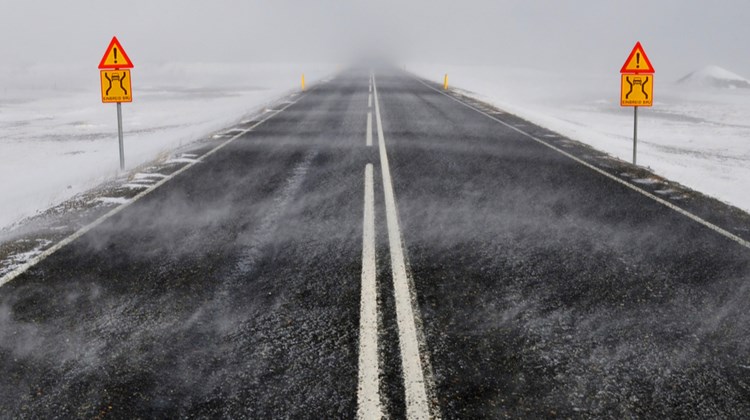
Snow and ice are the main winter factors, but they can also appear in shoulder seasons, especially on higher roads. The most dangerous form is black ice, which can look like wet pavement. Bridges, shaded curves, and areas near water are common places for invisible ice. The best defense is conservative speed, gentle inputs, and longer distances. Avoid cruise control in winter conditions.
Seasonal driving: what to expect month by month
Summer driving
Summer is the easiest time to drive in Iceland. Roads are generally clear, daylight is long, and many scenic routes are open. This is also peak demand, which means more traffic at popular sites and less accommodation availability. The driving itself is rarely stressful, but it is easy to become overconfident because conditions feel calm. Keep your discipline on gravel and in wind-prone areas.
Shoulder seasons: spring and autumn
Spring and autumn can be excellent for fewer crowds, but conditions are more variable. You can have bright sun, rain, wind, and snow within a single day. Highlands access is limited outside summer, and some remote roads can become muddy or icy. If you are driving long distances during shoulder seasons, build flexible buffers into your schedule and avoid the temptation to push on when conditions get worse late in the day.
Winter driving
Winter driving in Iceland can be safe, but it requires a different mindset. Daylight is short, storms can close roads quickly, and wind is often stronger. Winter is also the season where your vehicle choice matters most. A capable vehicle with good traction is not a luxury, it is a safety tool. Plan shorter daily drives, start earlier, and aim to arrive before darkness whenever possible. Always carry warm layers in the car, even on short drives, because a simple delay can become uncomfortable in cold conditions.
If you are planning a winter trip and want a deep, practical breakdown, read: Is Renting a Car in Iceland Worth It in Winter?.
Choosing the right car for Iceland
This is where most self-drive trips are won or lost. The best vehicle is the one that matches your route and season, not the biggest one available. Below is a simple decision framework that helps most travelers choose correctly.
When a 2WD is enough
If your plan is focused on Reykjavík, the Golden Circle, and the South Coast on paved roads during summer, a standard two-wheel-drive car is usually sufficient. It is easier to park in the city and typically more fuel efficient. A small car can still handle Iceland well when you stay on the main routes and avoid highland tracks.
When to choose an SUV or 4x4
If you are traveling outside summer, visiting regions with frequent gravel stretches, or planning remote areas like the Westfjords, an SUV gives you better stability and comfort. A four-wheel-drive vehicle becomes essential for F-roads and is strongly recommended in winter, not because it makes you invincible, but because it improves traction and control when conditions are changing.
Highlands and river crossings
If you want to drive highland routes, confirm exactly what roads you will take and whether they include river crossings. River crossings can damage engines and are often excluded from standard insurance coverage. If you do not have experience with river crossings, do not attempt them. Many highland destinations can be reached without crossing deeper rivers, and many others are best visited with a guided super jeep tour.
Electric cars and hybrids
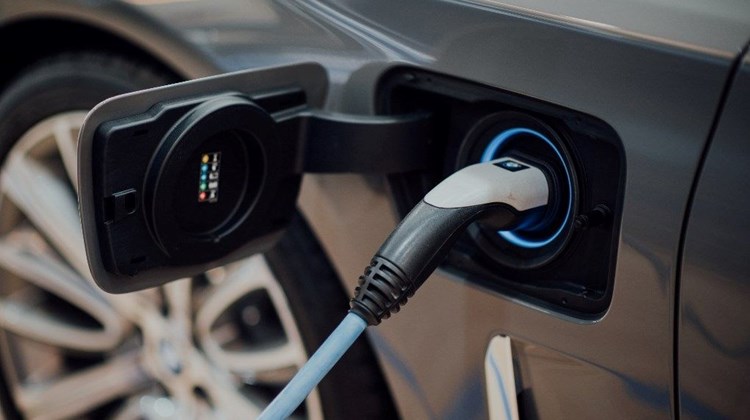
Electric and hybrid vehicles can be a smart choice in Iceland, especially if your itinerary follows the Ring Road and main towns. Charging infrastructure is strongest along the main routes, and many travelers find it convenient to charge during meals or overnight stops. The main limitation is the highlands, where charging is sparse or nonexistent. If you want an EV trip, plan your days around charging stops and confirm your accommodation supports charging access.
For a complete charging and route-planning guide, see: Electric Car Charging in Iceland.
Fuel, charging, and practical logistics
Fuel stations and range planning
In the capital region you will see stations frequently. In rural regions, gaps are larger, and it is easy to pass through a town and regret not filling up. A simple rule works well: if your tank drops below half and you see a station, top up. This removes range anxiety and gives you more flexibility when roads or weather force detours.
Payment at fuel stations
Most stations are self-service. Some require a card with a PIN. If your card does not work, try a different station brand or use a staffed station during opening hours. Keep a physical card with you, not only a mobile wallet, because remote terminals sometimes reject tap payments.
EV charging basics
If you are driving an EV, download the main charging apps before arrival, learn how your rental card or account works, and get comfortable with the difference between AC charging for longer stops and DC fast charging for quick top-ups. In winter, battery range can reduce due to temperature, so plan with extra margin.
Insurance and damage prevention
Insurance is where Iceland trips often go wrong because travelers assume standard coverage is enough. Iceland has several local risks that are less common elsewhere: wind damage to doors, gravel chips to paint and windshields, and sand or ash abrasion in storm conditions. The right coverage reduces stress and protects you from surprise costs.
We recommend reading our full insurance breakdown here: Car Rental Insurance in Iceland: All-Inclusive and No Surprises. That page explains what is included, what is excluded, and how to avoid common damage scenarios.
How to avoid the most common damage types
Wind door damage: Park with the car angled so the wind hits the front, not the side. Open doors slowly and firmly with two hands. Do not let children open doors in strong winds.
Gravel chips: Reduce speed on gravel, increase distance behind other cars, and slow down when you pass oncoming traffic. Many windshield chips happen when both vehicles pass at high speed.
Sand and ash abrasion: If a storm warning is active in exposed regions, avoid driving into it. Do not wipe gritty dust off the car with a dry cloth, as it can scratch paint. Rinse first when possible.
Water damage: Avoid driving through deep water. If a road looks flooded, turn around. River crossings are not a casual activity, and damage can be severe and expensive.
Costs that surprise first-time drivers
Most travelers budget for the rental price and fuel, but Iceland trips can include extra costs if you are not prepared. Parking fees at major attractions and in Reykjavík are common. Some tunnels may have toll payment. Extra driver fees or add-ons can also appear if you did not plan them in advance.
To keep costs predictable, read: How to Avoid Unexpected Car Rental Costs in Iceland.
Parking fees and apps
Reykjavík has paid parking zones in central areas, and many popular natural sites now use paid lots to manage traffic and maintenance. Payment is often handled through local apps. Take two minutes before your trip to install the relevant apps and confirm your payment method works. This small step saves stress when you arrive at a busy site with limited time.
Airport logistics
If you are landing at Keflavík International Airport, build in time for pickup, orientation, and your first drive. The road from Keflavík to Reykjavík is straightforward, but wind can be strong, and winter conditions can be very different from what you are used to. For pickup and local driving tips tied to the airport area, use: Keflavík Airport Car Rental.
Driving etiquette and safety habits that make everything easier
Be conservative with passing
Overtaking is possible on main roads, but you should only pass with clear visibility and enough space. Many accidents happen when drivers underestimate the speed of oncoming cars or fail to account for wind. If you are unsure, do not pass. Losing two minutes is not a problem. Losing control is.
Plan shorter days than you think you need
Distances in Iceland look small on a map, but travel time expands due to weather, stops, and slower speeds on gravel. A plan that looks like a three-hour drive often becomes five hours with realistic conditions and sightseeing. The best self-drive itineraries build time buffers so you never feel forced to drive fast or drive tired.
Respect closures and warnings
If you see a road closed sign, do not drive past it. Closures happen because the road is unsafe, not because authorities want to inconvenience travelers. Ignoring closures can lead to rescue fees and can void insurance. This rule becomes even more important in winter and in highland areas.
Use pull-offs correctly
Iceland has many scenic pull-offs. Use them. Do not stop in the roadway to take photos. When you pull off, make sure you are completely off the road and not blocking a lane. Turn on hazard lights if visibility is poor.
A practical pre-drive checklist
| What to check | Why it matters |
|---|
| Road conditions and closures | Prevents you from driving into unsafe roads or closed routes |
| Weather forecast and wind warnings | Helps you avoid dangerous gusts, snow, fog, and sudden storms |
| Fuel level or EV charge level | Avoids range stress in remote areas |
| Daylight hours | Prevents long night drives in winter and reduces fatigue |
| Route plan and backup option | Gives flexibility when conditions change |
| Emergency essentials in the car | Warm layers, water, snacks, and a charged phone help in delays |
Related driving resources on Iceland Car Rental
This pillar page is designed to connect you to deeper topic guides as you plan your trip. Use these as your next steps based on your itinerary and season.