Nature in Iceland

A Complete Guide to Volcanoes, Waterfalls, Glaciers and Wild Landscapes

Iceland is one of the most geologically active and visually dramatic countries on Earth. With a population of fewer than 400,000 people spread across a landmass shaped by volcanoes, glaciers, lava flows and tectonic forces, much of Iceland remains raw and largely untouched. It is a country where fire and ice coexist, where rivers cut through basalt canyons, where steam rises from geothermal valleys, and where waterfalls cascade from highland plateaus formed thousands of years ago.

This guide is designed as a complete overview of Iceland’s natural landscapes. Whether you are planning a road trip, hiking expedition, photography journey, or simply want to understand the forces that shaped the island, this page will give you structure and direction. Below, you will find detailed sections on volcanoes, glaciers, waterfalls, beaches, lava fields, mountains, wildlife, geothermal areas and protected regions, along with links to our in-depth location guides.

Iceland’s Geological Foundation: Why the Landscape Looks the Way It Does

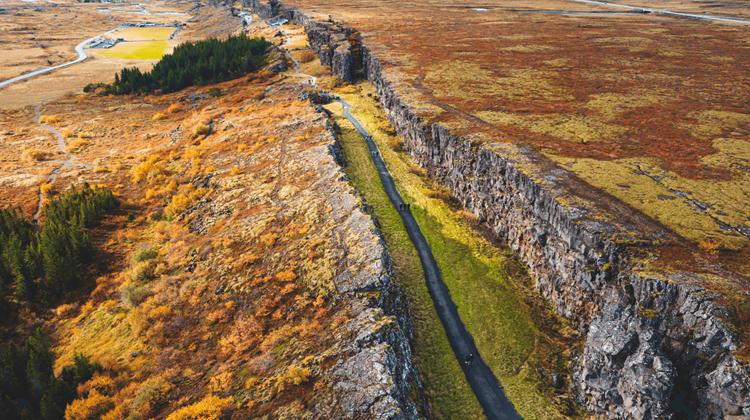
Iceland sits directly on the Mid-Atlantic Ridge, where the North American and Eurasian tectonic plates slowly move apart. At the same time, the island lies above a volcanic hotspot. This rare combination creates constant geological activity. Lava fields, craters, rift valleys and geothermal areas are not historical remnants alone. They are part of an active system that continues to shape the country.

Understanding this foundation helps explain everything else you see in Iceland. The black sand beaches are made of volcanic material. The basalt columns formed as lava cooled rapidly. The glaciers carved valleys during past ice ages. The geothermal pools exist because heat from below remains close to the surface.

If you want a deeper geological overview, begin with The Ultimate Guide to Volcanoes.

Volcanoes: The Power Beneath the Surface

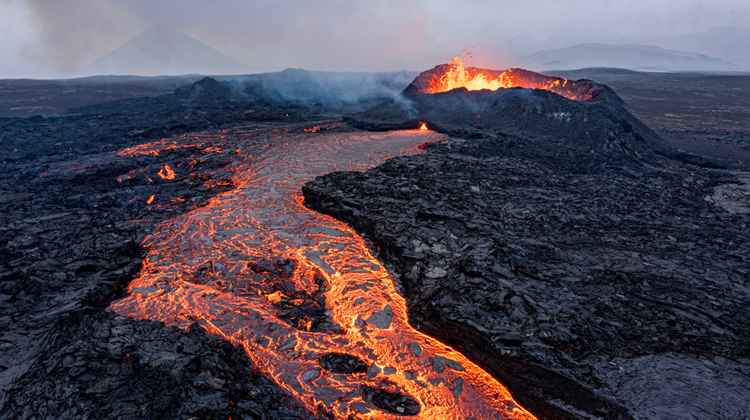
Iceland has around 30 active volcanic systems. Some are hidden beneath glaciers, while others form visible craters and lava plains across the island. Volcanic eruptions have shaped Iceland’s history and continue to influence travel routes and landscape changes.

Major Volcanoes Worth Understanding

  • Katla Volcano, located beneath Mýrdalsjökull glacier, is one of Iceland’s most powerful systems.
  • Hekla is historically known as one of the country’s most active volcanoes.
  • Recent eruptions near Reykjavík have brought global attention to Iceland’s dynamic geology. See Iceland Volcano Eruption Near Reykjavik.

Volcanic areas are not theme parks. Trails can close quickly. Gas emissions, unstable ground and weather conditions can change rapidly. Always check official safety updates before visiting active zones.

Waterfalls: Glacial Power in Motion

Iceland is often called the land of waterfalls, and for good reason. Meltwater from glaciers feeds thousands of rivers that drop from cliffs and highland plateaus. Some waterfalls are wide and thunderous, others tall and narrow, and many are accessible directly from roadside viewpoints.

The Ultimate Guide to Waterfalls in Iceland provides a structured overview of the most impressive cascades.

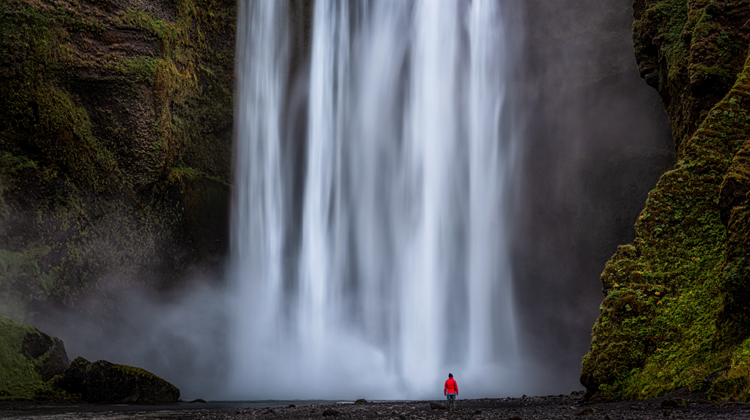
One of the most photographed examples is Skogafoss, known for its powerful curtain of water and frequent rainbows.

When visiting waterfalls, waterproof layers are essential. Wind can shift spray dramatically. Slippery rocks and steep paths require proper footwear and caution.

Glaciers and Ice Caves

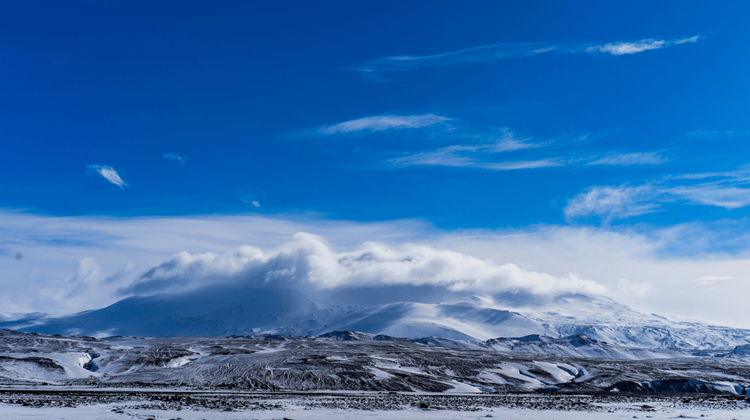
Glaciers cover approximately 11 percent of Iceland’s surface. Vatnajökull, Europe’s largest glacier by volume, dominates the southeast. Glacial movement over thousands of years carved fjords, valleys and lagoons.

In winter, ice caves form beneath glaciers. These caves are temporary and change annually. For safety and seasonal planning, read the Ultimate Guide to Ice Caves.

Never enter an ice cave without a certified guide. Ice stability shifts daily.

Black Sand Beaches and Coastal Formations

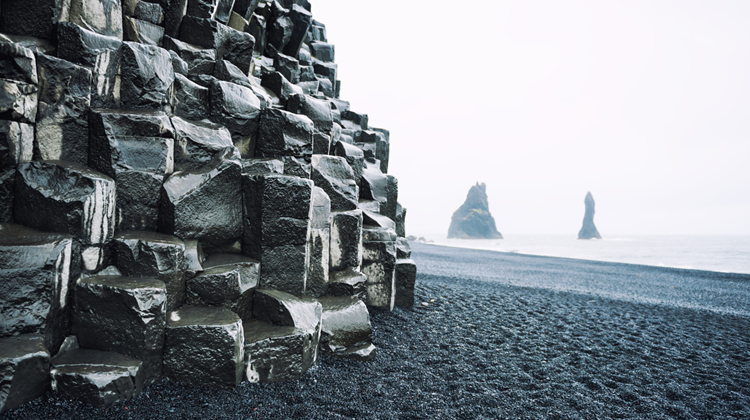
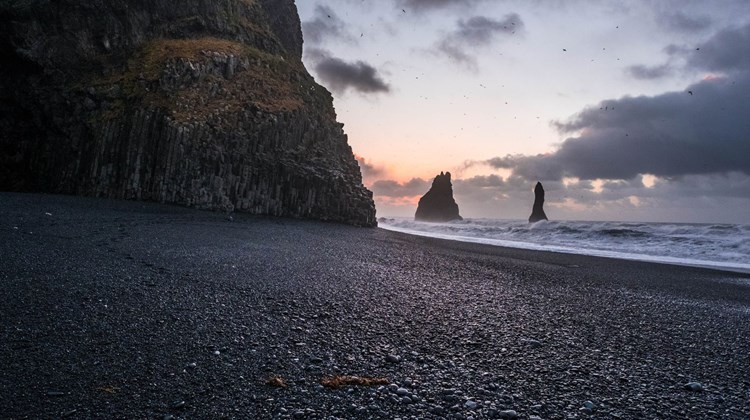
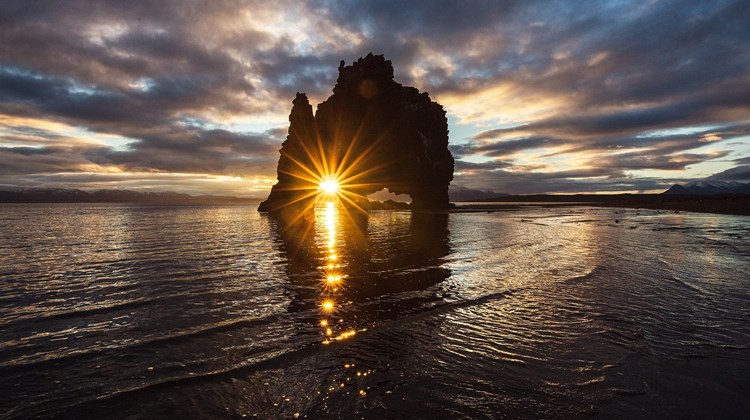
Iceland’s coastline is shaped by volcanic activity and Atlantic erosion. The result is dramatic cliffs, sea stacks and black sand beaches.

Ocean safety is critical. Sneaker waves can arrive without warning. Visitors must remain alert and follow posted safety guidance.

Lava Fields and Moss Landscapes

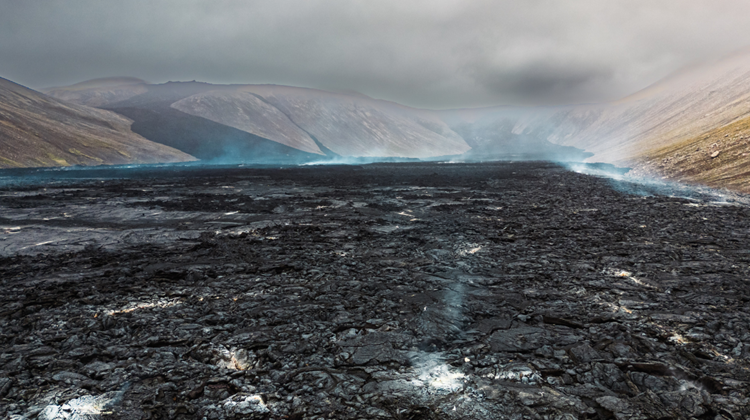
Large sections of Iceland are covered in ancient lava fields. Over time, moss has grown across these hardened flows, creating surreal green carpets over black rock.

Explore further in Guide to the Best Lava Fields in Iceland.

Do not walk off marked paths in moss areas. Moss can take decades to recover from a single footprint.

The Highlands

The Icelandic Highlands are one of Europe’s largest uninhabited regions. Accessible primarily in summer, they feature rhyolite mountains, volcanic deserts and geothermal valleys.

Key guides include:

Highland roads often require a 4x4 vehicle. Review Driving in Iceland before attempting remote routes.

Mountains, Canyons and Unique Rock Formations

From isolated peaks to basalt canyon systems, Iceland’s vertical landscapes are striking.

Geothermal Areas

Steam vents, mud pots, hot springs and sulfuric landscapes are common in Iceland’s geothermal zones.

Wildlife and Birdlife

Despite harsh conditions, Iceland hosts diverse birdlife and marine species. Summer brings nesting seabirds, while coastal waters support whale populations.

Seasonal Natural Phenomena

Nature in Iceland changes dramatically by season.

Sustainable Nature Travel

Iceland’s environment is fragile. Responsible travel is essential to preserve the landscapes that attract visitors in the first place.

Learn more in Sustainable Experiences and Ecotourism in Iceland.

Final Advice for Exploring Iceland’s Nature

  • Check weather forecasts daily.
  • Allow more time than maps suggest.
  • Respect warning signs and barriers.
  • Never drive off-road.
  • Prepare properly for remote travel.

Articles

30 Results

Studlagil Canyon Travel Guide

Studlagil Canyon Travel Guide

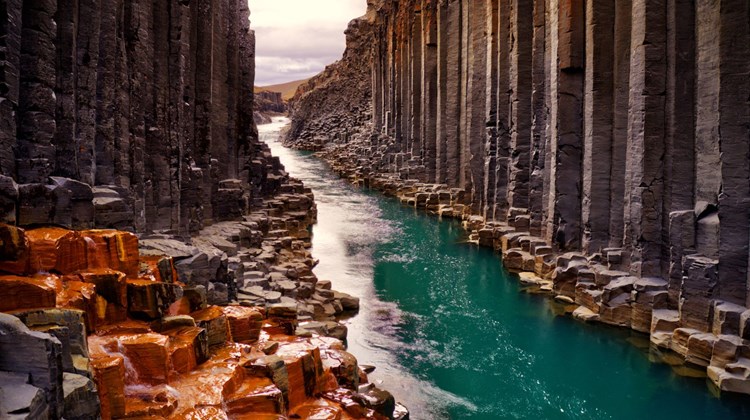
Tucked away in the remote Eastern region of Iceland, explorers will find a hidden gem. Studlagil Canyon has captured the hearts of travelers and photographers alike, famous for its towering basalt columns and the striking contrast of turquoise waters against the grey stone. Cut through by the Jökulsá á Dal river, this natural wonder makes for one of Iceland’s most dramatic landscapes.
Katla Volcano Travel Guide

Katla Volcano Travel Guide

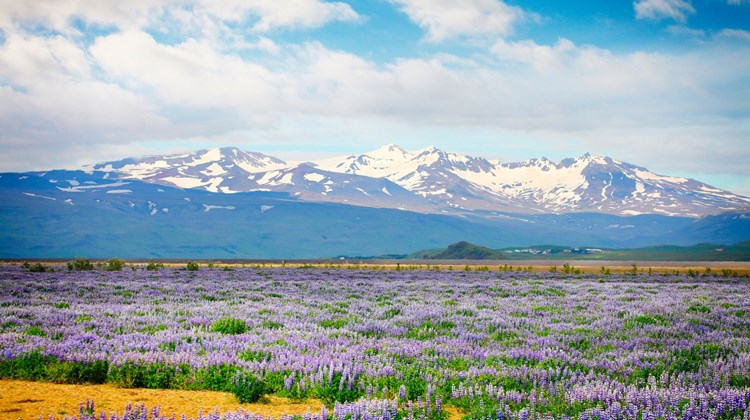
Lurking beneath the mighty Mýrdalsjökull glacier in South Iceland is a sleeping beast. Meet one of the island’s most powerful and intriguing volcanoes, Katla. Known for its imposing size, lava-filled history, and the amazing Katla Ice Cave, this active Icelandic volcano is something all adventure-seekers visiting Iceland should plan to see!

Skogafoss Iceland

Skogafoss Iceland

Iceland is well known for its feats of geography and volcanic past, which have created otherworldly landscapes and features, much to the delight of visitors from all over the world.

Thingvellir National Park Travel Guide

Thingvellir National Park Travel Guide

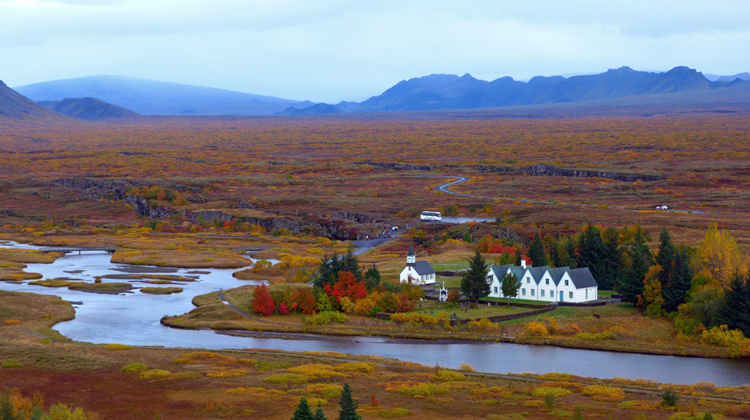
Welcome to Thingvellir National Park! A key stop on the Golden Circle driving route, Thingvellir is a great place to stretch your legs and take in some breathtaking landscapes, all while appreciating the cultural importance of the location.

Kerid Crater Travel Guide

Kerid Crater Travel Guide

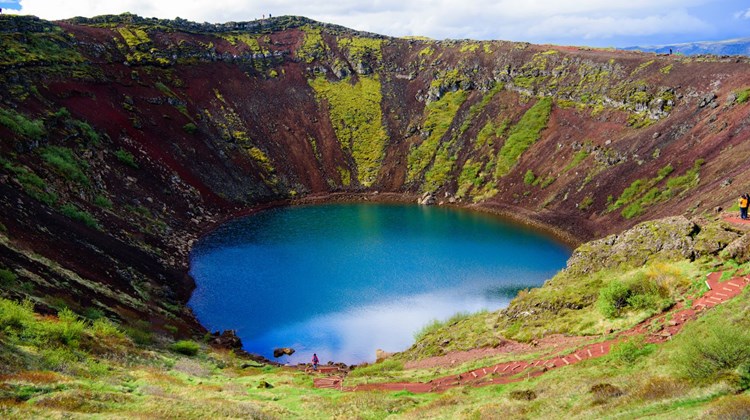
Located just a short way off Iceland’s scenic Golden Circle route is the stunning Kerid Crater. As one of Iceland’s most visually striking natural wonders, this vivid volcanic crater and lake make for a striking scene. Turquoise waters against red lava rock is a unique contrast you’re unlikely to see in many other places across the globe. 

Guide To Natural Wonders In Iceland

Guide To Natural Wonders In Iceland

Are you ready to explore some of the world’s most incredible natural landscapes? Iceland is full of jaw-dropping sights that will leave you speechless.

Your Guide to Reynisfjara Black Sand Beach in Iceland

Your Guide to Reynisfjara Black Sand Beach in Iceland

Iceland is well known for its natural beauty and dramatic landscapes, and the stunning seascapes and coastlines on this rugged volcanic island are no exception.

Your Guide to Hekla Volcano

Your Guide to Hekla Volcano

If you are driving the road from Reykjavik to Hekla Iceland you won’t be disappointed. An off road driving route and the Hekla volcano, well worth a visit.

UNESCO World Heritage Sites in Iceland

UNESCO World Heritage Sites in Iceland

Iceland, a land of stunning natural beauty and rich cultural heritage, has three UNESCO World Heritage Sites that attract visitors from around the globe.

Guide to Best Lava Fields in Iceland

Guide to Best Lava Fields in Iceland

Iceland is famously nicknamed "the land of ice and fire" due to its immense volcanic activity throughout its history. The island’s landscape is shaped by countless active and dormant volcanoes, which have created stunning natural features like lava fields, rock formations, and geothermal pools.

Why Hvítserkur Should Be on Your Iceland Itinerary

Why Hvítserkur Should Be on Your Iceland Itinerary

Hvítserkur is a striking 15-meter-tall sea stack steeped in folklore, geology, and thriving birdlife. Located in Húnaflói Bay on the Vatnsnes Peninsula in North-West Iceland, it’s a fascinating stop for travelers exploring the area.

Litli-Hrútur Volcanic Eruption

Litli-Hrútur Volcanic Eruption

Learn about the most recent activity in the volcanic peninsula of Iceland, including the causes and effects of July 2023’s eruption. Read now.

Nature in Iceland FAQ

Why is Iceland’s nature so unique?

+/-

Iceland’s landscape is shaped by both volcanic activity and glaciers. It sits on the Mid-Atlantic Ridge and above a volcanic hotspot, which creates lava fields, geothermal areas, craters, and frequent eruptions. At the same time, glaciers carve valleys and feed thousands of waterfalls. Few countries combine active geology and ice-driven landscapes at this scale.

What are the main natural attractions in Iceland?

+/-

The main natural attractions include volcanoes, waterfalls, glaciers, black sand beaches, lava fields, geothermal areas, mountains, fjords, and ice caves. Popular highlights include Thingvellir National Park, Skogafoss waterfall, Reynisfjara black sand beach, Vatnajökull glacier, and Landmannalaugar in the Highlands.

How many waterfalls are there in Iceland?

+/-

It is estimated that Iceland has around 10,000 waterfalls. Many are small and unnamed, while others are major attractions accessible from the Ring Road and main travel routes.

Are Iceland’s volcanoes still active?

+/-

Yes. Iceland has around 30 active volcanic systems. Eruptions occur periodically, and the landscape continues to change due to tectonic and geothermal activity.

Is Iceland safe to explore nature independently?

+/-

Yes, but only if you respect conditions. The main risks are weather, wind, ocean waves, unstable terrain, and underestimating distances. Always check forecasts and follow marked trails.

What is the best time of year to experience Iceland’s nature?

+/-

Summer offers easier access to the Highlands and longer daylight hours. Winter offers snow-covered landscapes, ice caves, and Northern Lights. Each season offers different advantages and trade-offs.

What causes Iceland’s black sand beaches?

+/-

The black sand comes from volcanic rock and lava that has been broken down over time. When lava cools quickly, it forms basalt and other dark volcanic materials that eventually erode into black sand.

Why are Iceland’s geothermal areas so active?

+/-

Because Iceland sits above a volcanic hotspot and tectonic rift zone, heat from below the Earth’s surface is close to ground level. This creates hot springs, steam vents, mud pools, and geothermal fields.

Can you visit glaciers in Iceland without a guide?

+/-

You can view glaciers from public viewpoints safely, but glacier hikes and ice cave visits require certified guides. Glacier surfaces are unstable and contain hidden crevasses.

What makes the Icelandic Highlands special?

+/-

The Highlands are one of Europe’s largest uninhabited areas. They feature colorful rhyolite mountains, volcanic deserts, geothermal valleys, and remote hiking routes. Access is usually limited to summer due to road conditions.