Travel in Iceland
Guides, Tips and Itineraries for Exploring the Country
Each year, millions of people travel to Iceland to explore the country’s scenery, landscapes, nature, and unforgettable attractions. To experience the true beauty of Iceland, you will want to go beyond Reykjavík and explore the countryside. Every region offers something different, from waterfalls and glaciers to wildlife, museums, black sand beaches, and geothermal areas.
Because public transport is limited outside the capital, most travelers choose self-drive travel to explore Iceland comfortably and efficiently. This page is designed as a travel hub, giving you practical advice, planning tips, and clear pathways into our best travel guides. Keep scrolling to find our full collection of Iceland travel articles at the bottom of the page.
How to travel around Iceland
There are a few ways to travel around Iceland, but the best option depends on your itinerary, season, and travel style.
Self-drive travel
Self-driving is the most flexible way to explore Iceland. It lets you travel at your own pace, stop at viewpoints freely, adjust plans around weather, and reach places that tours do not cover well. This is especially important when you want to visit smaller towns, remote attractions, and scenic routes where buses rarely operate.
If you want a ready-made plan that covers the essentials, start with our popular itineraries: 5 Day Itinerary in Iceland and 2 Days in Iceland: The Itinerary You Need. If you want inspiration for longer drives and region-based routes, use The Best Road Trips in Iceland.
For safety and road rules that affect every itinerary, this pillar is worth reading before you plan distances: Driving in Iceland.
Public transport
Public buses connect Reykjavík with some major towns during parts of the year, but they do not reliably connect the main attractions that most travelers want to see. If you are visiting only Reykjavík and taking day tours, public transport can be enough. If you want a true Iceland road trip, renting a car will usually be the simplest and most efficient option.
Tours and guided travel
Tours can be useful if you prefer not to drive in winter, if you have limited time, or if you want access to specialized activities. Many travelers choose a hybrid approach: self-drive for most days, then book guided experiences for activities like glacier hikes or unique winter experiences such as Dog Sledding in Iceland.
Planning your Iceland trip
Best time to visit Iceland
Iceland changes dramatically by season. Summer brings long daylight hours and easier driving conditions. Winter brings Northern Lights potential and snowy landscapes, but also shorter days and more challenging weather. If you are deciding when to travel, start here: Ultimate Guide to the Best Time to Visit Iceland.
For trips affected by changing conditions, it is also smart to stay updated on travel disruptions and closures. If you are planning around current conditions, read Iceland’s Recent Volcanic Activity.
Budgeting and costs
Iceland can be expensive, but the real cost depends on how you travel. Accommodation level, dining style, fuel usage, seasonal pricing, and activity choices all affect your budget. If you want a clear breakdown, use Is Iceland Expensive? Complete Budget and Cost Guide.
If saving money matters, start with Cheap Car Rental Iceland: Smart Ways to Save.
Arrival, airports, and first-day logistics
Most travelers arrive through Keflavík International Airport. Understanding how arrivals work, how long transfer times take, and what to expect at the airport makes your first day smoother. Start with Keflavik Airport Guide: Arrivals, Car Rental, Transport and Travel Tips.
If the Blue Lagoon is part of your arrival plan, this route guide helps you plan the transfer efficiently: How to Get from Keflavik Airport to Iceland's Blue Lagoon.
Road trips and itineraries
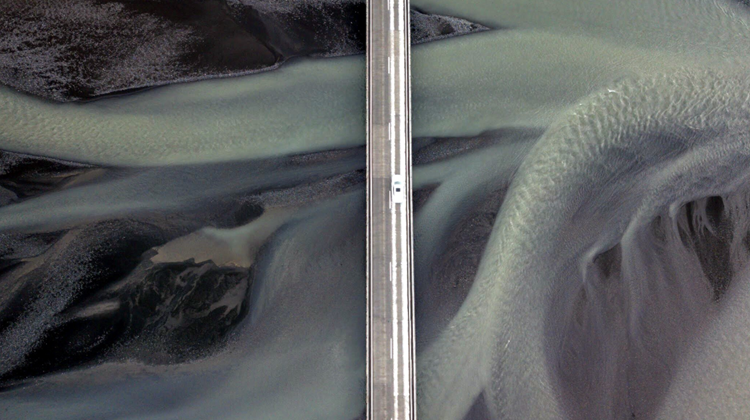
Iceland is one of the world’s best road trip destinations. The main advantage of a road trip is that the drive itself becomes part of the experience, with frequent viewpoint stops, small towns, and scenic detours.
Short itineraries
If you only have a few days, focus on one region rather than trying to see everything. Our 2 Days in Iceland itinerary helps you make the most of a short break. If you have slightly more time, the 5 Day Itinerary in Iceland is designed to be a balanced self-drive route.
Longer routes and full country travel
For longer trips, you can explore multiple regions and drive deeper into the countryside. This guide is the best starting point for route ideas and planning: The Best Road Trips in Iceland. If you are preparing for a longer journey, use Iceland Road Trip Packing List Essentials to make sure you have the right gear.
Regions and places to visit in Iceland
If you are building an itinerary, it helps to think of Iceland in regions. Each region has a different feel, and some are better suited to certain seasons.
Reykjavík and nearby travel
Reykjavík is the starting point for most trips, but it is only one part of Iceland. If you are looking for places to stay overnight beyond the capital, this guide is a strong starting point: 9 Beautiful Towns in Iceland.
West Iceland
West Iceland combines coastline scenery, small towns, and quieter travel routes. If you want a unique stop, use Your Guide to Hellissandur in West Iceland.
Westfjords
The Westfjords are one of Iceland’s most remote and rewarding regions. They are best suited to longer trips and summer travel due to road conditions. If the Westfjords are on your list, start with Westfjords Road Trip Guide: Weather, Driving Tips and Things to Do.
Highlands
The Highlands are a special category of travel. Access is seasonal, road conditions are rough, and routes often require a 4x4. If you are considering the interior, start with The Ultimate Guide to Landmannalaugar.
North Iceland
North Iceland offers quieter roads, excellent whale-watching regions, and charming towns. If you are deciding whether to include the north, read Why You Should Visit Husavik.
Nature, scenery, and photography travel
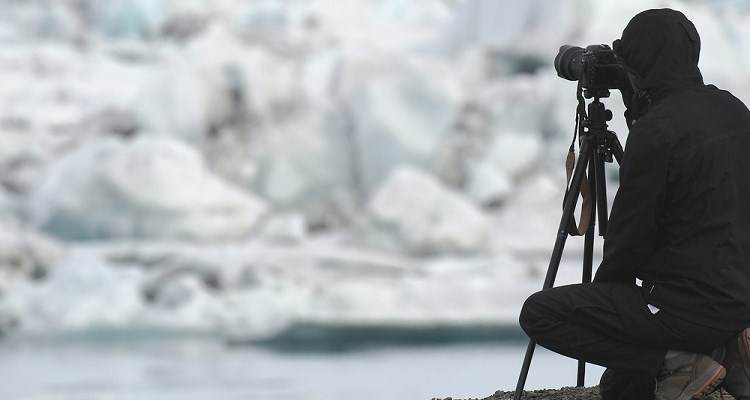
Iceland is a top destination for nature lovers and photographers. If your travel plans are built around scenery, these guides will help you build a route with memorable stops.
If you want practical travel details that surprise many visitors, this guide is worth reading early: Icelandic Water.
Travel styles: kids, solo travel, groups, and camping
Travelling with kids
Family travel is very doable in Iceland, but it works best when you plan driving distances conservatively and choose activities that fit the season. Use Top Tips for Travelling to Iceland with Kids to plan more smoothly.
Solo travel
Solo travel is one of the best ways to explore Iceland, especially for photography, hiking, and flexible itineraries. For practical tips and safety advice, read Tips for Travelling Solo in Iceland.
Group holidays
Iceland is an excellent group holiday destination, particularly for road trips and shared accommodation. If you are planning a group trip, use 9 Reasons Why Iceland Makes for an Ideal Group Holiday Location.
Camping in Iceland
Camping is one of the most immersive ways to travel during warmer months. It can also be budget-friendly if you plan well and follow local rules. Start with Your Guide to Camping in Iceland.
Travel updates and practical changes
Travel rules and costs can change. If you are planning a self-drive trip, it is worth staying informed about policy changes that may affect renters. If you have seen news about changes to driving charges, start here: Iceland’s New Kilometer Road Tax: A Complete Guide for Renters.
Final advice for travelling in Iceland
Iceland rewards travelers who plan well and stay flexible. A safe, enjoyable trip comes down to smart route planning, daily weather checks, and leaving enough time to stop and experience the places you came for.
- Plan your route, but keep buffer time for weather.
- Drive conservatively, especially on gravel and in wind.
- Pack layers and waterproof clothing year-round.
- Book early in peak seasons to get the best prices and availability.