
Electric Car Charging in Iceland: The Complete 2026 Guide
The best way to charge an electric rental car in Iceland is to follow the Ring Road’s public fast charging network and plan short top ups in the towns you already visit. This keeps driving simple, protects battery range in winter and avoids unnecessary detours.
What It’s Really Like Driving an Electric Car Around Iceland
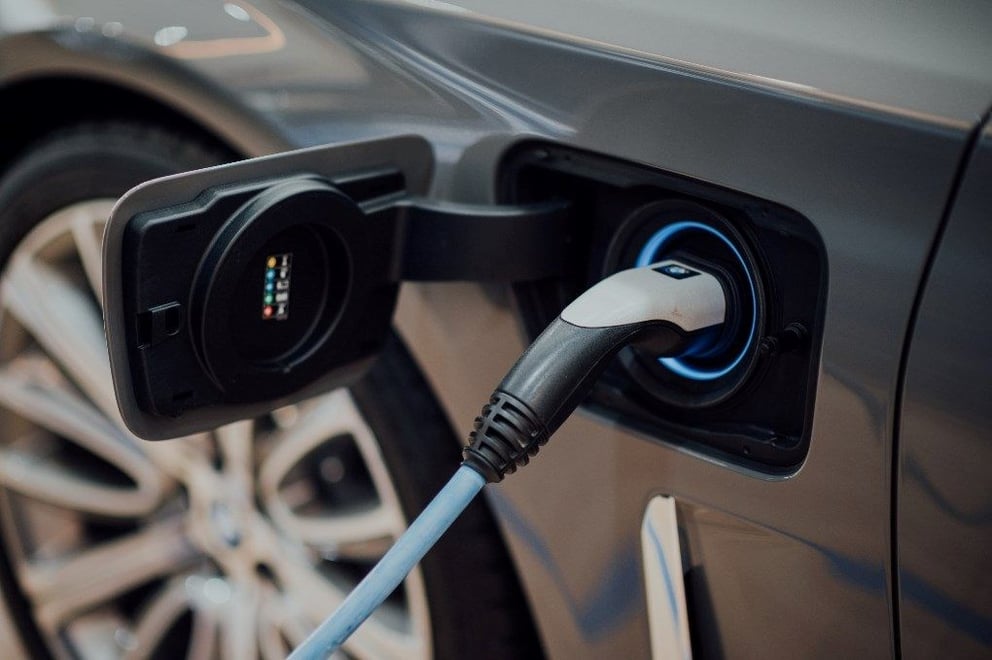
I have tested electric rentals across Iceland in every season, and the truth is that charging is easier than most travellers expect. The only time I struggled was during a windy January morning in Vik when I mistakenly parked the car facing the ocean. The battery lost heat faster than usual, and the first five minutes of charging were slow. Once the car warmed, the speed picked up again. Experiences like this are exactly why travellers benefit from clear, Iceland specific guidance rather than generic EV advice.
Most visitors assume charging in Iceland requires constant planning, but it naturally fits into the rhythm of sightseeing. Waterfalls, hot springs and coastal towns often have chargers nearby, so you top up while exploring. If you have never driven an EV before, Iceland is a surprisingly friendly place to start.
Where You Can Charge an Electric Car in Iceland
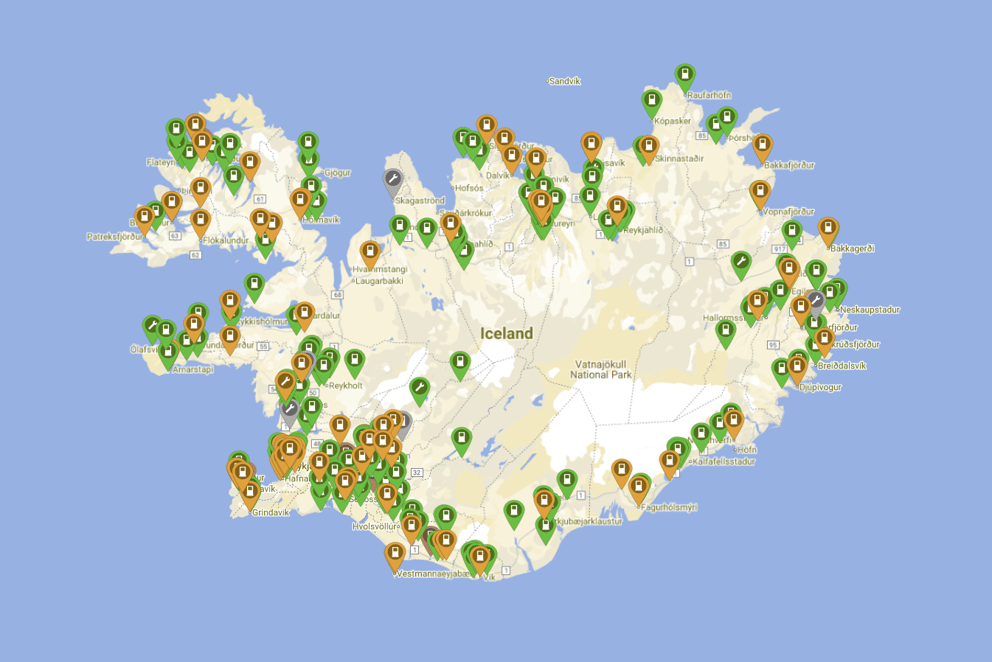
Charging stations are positioned around the areas travellers visit the most. The Ring Road towns offer reliable coverage, and Reykjavik has the highest number of fast chargers in the country.
Charging on the Ring Road
The Ring Road, or Route 1, is the easiest place to travel in an electric rental. You will find chargers in Reykjavik, Selfoss, Vik, Höfn, Egilsstaðir, Akureyri and many smaller towns between them. These locations match the driving patterns of most visitors who follow classic itineraries such as the South Coast or the Southeast circuit. If you want inspiration for stops along the route, explore highlights like the best waterfalls in Iceland and the must sees in Southeast Iceland.
Charging in Reykjavik and Nearby Towns
Reykjavik has a dense network of AC and DC chargers located at shopping centres, public car parks and cultural attractions. This makes it simple to top up overnight or while exploring places such as Reykjavik’s best art galleries and museums. Many travellers pick up their car at Keflavik Airport, drive into the city and get their first comfortable charge before starting their trip.
Charging on the South Coast
The South Coast is one of the most EV friendly regions of Iceland. Fast chargers sit near major attractions, and most towns have at least one slow or medium charger. When planning South Coast stops, travellers often combine charging with visits to places featured in guides such as the best spas and hot springs in Iceland.
Charging in North and East Iceland
Akureyri and Egilsstaðir anchor the charging network in the north and east. The stretches between towns are longer here, so regular top ups are important. If you want to turn these regions into a full itinerary, explore the best road trips in Iceland for inspiration.
Charging in the Highlands
The Icelandic Highlands are not suited for electric vehicles. F roads require specialised 4x4 vehicles and have almost no charging infrastructure. If you want to visit Highland areas such as Thorsmork, join a guided tour. For safe general driving advice before entering remote areas, read the ultimate guide to driving in Iceland.
Understanding Iceland’s Charging Network
A charging station is a public point where you connect your car to add energy to the battery. In Iceland, stations fall into three clear categories.
Fast Chargers
Fast chargers deliver high power and usually add significant range within 20 to 40 minutes. These are ideal for travel days. Charging can be slower in winter while the battery warms up, which is normal. For a seasonal overview that helps with planning, review the best time to visit Iceland.
AC Chargers
AC chargers add energy slowly and are designed for overnight stays or long sightseeing stops. They are common in Reykjavik, at hotels and in small towns. For visitors new to Iceland’s service layout, the guide to fuel stations explains how travel services and opening hours work across the country.
Factors That Affect Charging Speed
| Condition | Effect on Charging |
|---|---|
| Cold weather | Battery warms slowly, reducing initial charging speed |
| Wind exposure | Impact on range, especially in West and South Iceland |
| Battery level | Speed slows above 80 percent |
| Charger power | Fast chargers outperform AC chargers significantly |
Planning an EV Road Trip in Iceland
Planning an electric itinerary in Iceland is about building natural top ups into your sightseeing schedule rather than hunting for chargers. Every town with attractions tends to have charging options nearby.
How Far You Can Drive Per Day
Most travellers comfortably cover 200 to 300 kilometres per day in an EV. This leaves room for sightseeing without range anxiety. For example, you can combine a South Coast itinerary with relaxing stops at hot springs featured in Iceland’s hot springs guide.
Charging While Sightseeing
I often park at slower chargers in towns while exploring waterfalls or restaurants. When driving through winter months such as those described in Iceland in February or Iceland in October, regular short top ups help maintain a comfortable battery buffer.
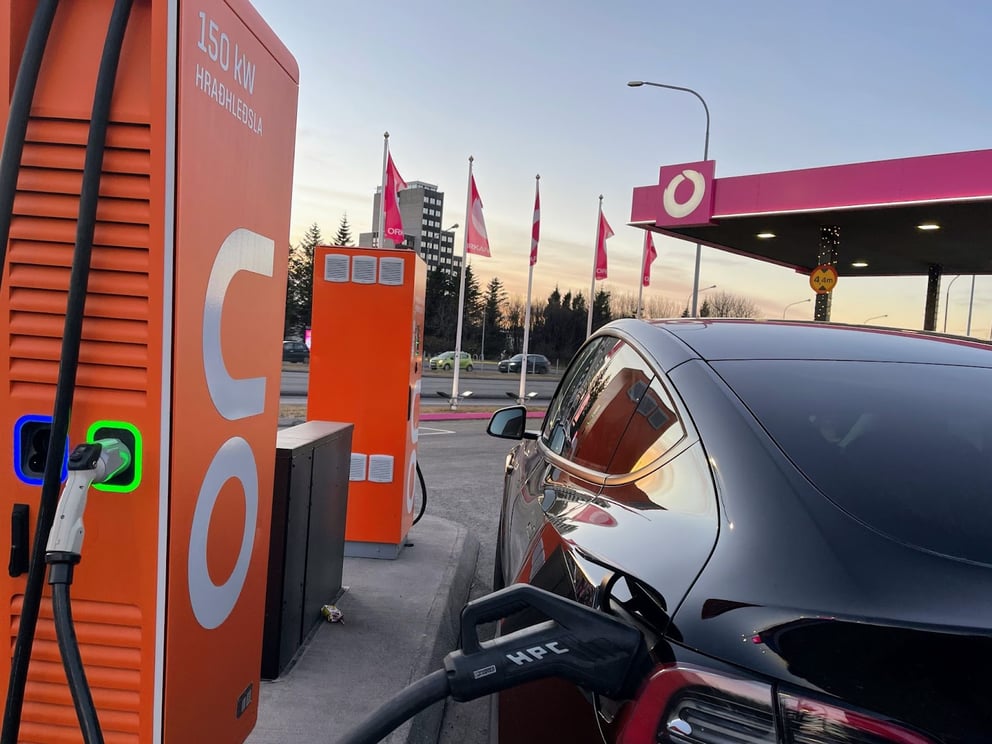
Backup Charger Planning
If your first charging option is busy, you simply move to the next one. Iceland’s towns are spaced in a way that backing up your plan is easy. For broad trip design, use the guide to planning a road trip.
My EV Rental Checklist for Iceland
Before renting an electric car in Iceland, I always run through these steps:
- Confirm your route does not include Highland F roads
- Check the EV model’s average winter range
- Download the main Icelandic charging app before arrival
- Verify that your rental includes the correct charging cables
- Ask whether the car must be returned at a specific battery level
- Review relevant insurance details in the car rental insurance guide
- Check your route type using the guide to 4x4 rentals