Wildlife in Iceland
Where to See Whales, Puffins, Arctic Foxes and More
Iceland is often associated with waterfalls, volcanoes and glaciers, but the island is also home to a surprisingly rich range of wildlife. While it does not have large land predators or dense forests, its coastal waters, bird cliffs and remote tundra create ideal conditions for marine life and migratory species.
From whale watching in the north to puffin colonies along dramatic sea cliffs, wildlife in Iceland is shaped by season, geography and migration patterns. This guide explains what you can realistically expect to see, where to go, and when to plan your trip for the best chances.
Understanding Wildlife in Iceland
Iceland’s ecosystem is heavily influenced by its climate and isolation. The island’s position in the North Atlantic makes it an important feeding ground for whales and seabirds. At the same time, harsh winters and limited forest cover restrict the number of permanent land mammals.
Most wildlife experiences in Iceland fall into three main categories:
- Marine mammals such as whales and seals
- Birdlife, especially seabirds and migratory species
- Arctic land mammals such as the Arctic fox
Wildlife sightings depend strongly on season. Planning your trip around migration cycles dramatically improves your chances.
Whale Watching in Iceland
Iceland is one of the best whale watching destinations in Europe. The nutrient-rich waters surrounding the island attract several species throughout the year, particularly during summer when feeding conditions are strongest.
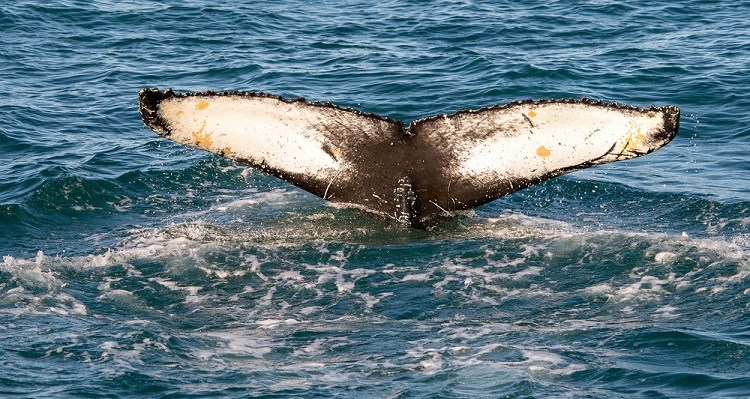
Common species include humpback whales, minke whales and white-beaked dolphins. Orcas are frequently seen in certain regions, especially during specific seasonal runs.
The most reliable whale watching locations include:
- Húsavík in North Iceland
- Akureyri
- Reykjavík
- Snæfellsnes Peninsula
- The Westfjords
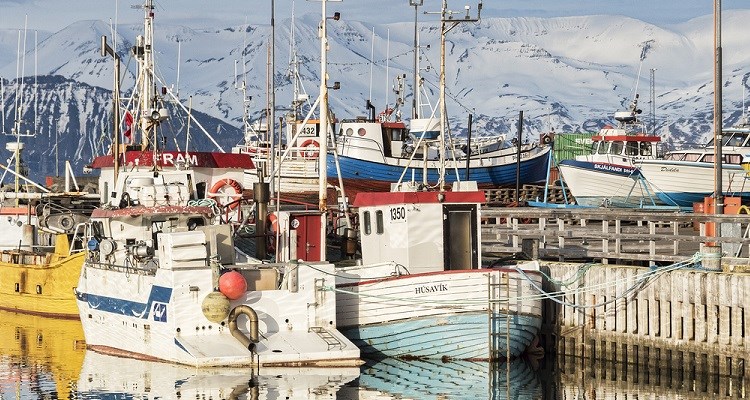
Húsavík is often referred to as the whale watching capital of Iceland due to consistent sightings and strong feeding grounds offshore. For a detailed breakdown of locations and species, see the Guide to Whale Watching in Iceland.
Summer offers the highest success rates, but whale watching tours operate year-round in some regions. Winter trips can be colder and more weather dependent, yet often quieter.
Birdwatching and Puffins
Iceland is a major breeding ground for seabirds. Hundreds of species have been recorded on the island, with cliffs and coastal stacks providing ideal nesting areas.
Puffins are the most famous. These small seabirds arrive in spring and remain through summer before migrating back to sea. Prime puffin viewing months typically range from May to August.
Key birdwatching regions include:
- The Westman Islands
- Látrabjarg cliffs in the Westfjords
- Dyrhólaey on the South Coast
- Snæfellsnes Peninsula
Beyond puffins, species such as Arctic terns, guillemots and kittiwakes dominate coastal colonies. Inland wetlands support different migratory birds during spring.
For a complete breakdown of species and hotspots, read Birdwatching in Iceland.
The Arctic Fox
The Arctic fox is Iceland’s only native land mammal. It survived the last Ice Age and adapted to the island’s harsh climate. Foxes change coat color seasonally, appearing white in winter and brown or grey in summer.
The best place to spot Arctic foxes is the Hornstrandir Nature Reserve in the Westfjords. This remote region has minimal human settlement and provides ideal conditions for fox populations.
Learn more in Top 3 Facts About the Arctic Fox and Hornstrandir Nature Reserve Guide.
Fox sightings are never guaranteed. Patience and quiet observation increase your chances significantly.
The Icelandic Horse
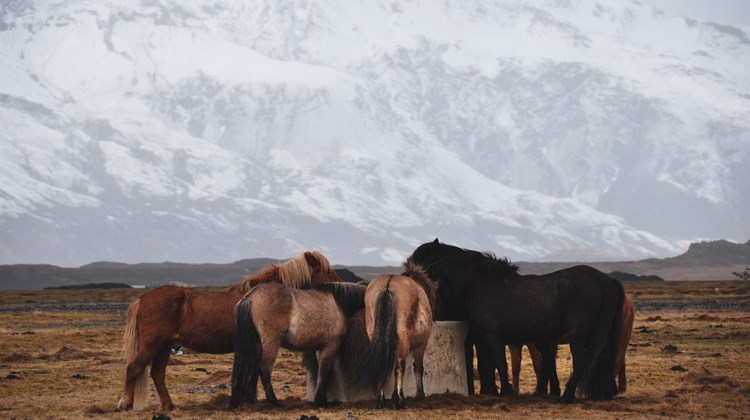
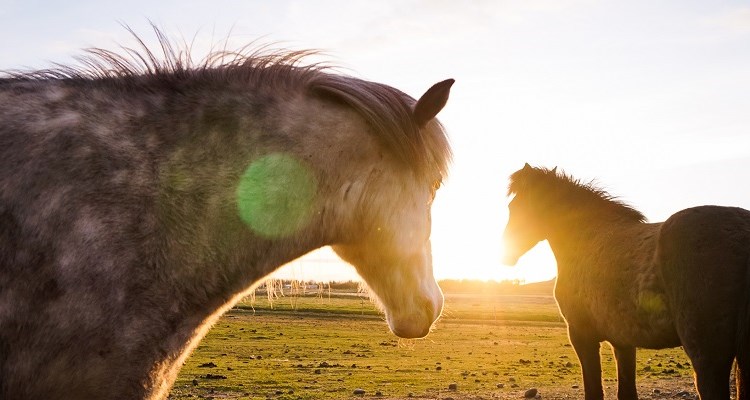
Although technically domesticated, the Icelandic horse is one of the country’s most iconic animals. Brought by Norse settlers, the breed has remained genetically isolated for centuries.
These horses are known for their unique gait called the tölt, as well as their resilience in harsh weather. They can be seen throughout the countryside, often grazing freely in open pastures.
For cultural context and history, see The Icelandic Horse: Everything You Need to Know.
Seals and Coastal Wildlife
Harbor seals and grey seals are commonly spotted along Iceland’s coastline. Seal colonies are especially visible in Northwest Iceland and parts of the South Coast.
Seals often rest on rocks or sandbanks during low tide. Viewing from a respectful distance is important to avoid disturbing them.
Wildlife by Season
Spring
Spring marks the return of migratory birds. Puffins begin arriving, and wildlife activity increases after winter. See Wildlife Watching in Iceland’s Spring.
Summer
Summer provides peak bird activity and high whale sighting rates. Longer daylight hours make coastal exploration easier. See Wildlife in Summer.
Autumn
Autumn sees migration shifts and changing bird patterns. Fewer crowds make it quieter for observation. See Wildlife in Autumn.
Winter
Winter wildlife watching focuses mainly on marine life and certain bird species that remain year-round. See Wildlife Watching in Winter.
Wildlife in Iceland by Region
Wildlife sightings in Iceland are highly regional. Ocean currents, bird cliffs, remote tundra and human population density all influence what you are likely to see. Planning your route with wildlife in mind significantly increases your chances of meaningful encounters.
North Iceland: Whale Watching and Coastal Birdlife
North Iceland is widely considered the strongest region for whale watching. Cold Arctic currents mix with warmer Atlantic waters offshore, creating nutrient-rich feeding grounds. This attracts humpback whales, minke whales, white-beaked dolphins and occasionally blue whales.
Húsavík is often called the whale watching capital of Iceland. The town sits along Skjálfandi Bay, where calm waters and consistent feeding conditions produce high sighting success during summer months. Akureyri, located further west in Eyjafjörður fjord, also offers strong whale watching tours, often with mountainous backdrops.
Beyond whales, North Iceland supports nesting seabirds along coastal cliffs and offshore islands. During summer, puffins and Arctic terns are common. Inland areas may reveal ptarmigan and migratory birds in wetlands.
If wildlife is a priority, building at least one overnight stop in North Iceland allows flexibility for weather-dependent marine tours.
The Westfjords: Arctic Fox Territory and Remote Seabird Cliffs
The Westfjords are Iceland’s most remote and least populated region. This isolation benefits wildlife. Fewer roads and limited human development create quiet habitats, especially for Arctic foxes and seabirds.
Hornstrandir Nature Reserve is the most reliable location for Arctic fox sightings. With no permanent residents and restricted access by boat, foxes in this region are less wary of humans. Sightings are never guaranteed, but patience and guided hikes improve your chances significantly.
Látrabjarg cliffs in the southern Westfjords are among Europe’s largest bird cliffs. During peak season, thousands of puffins, guillemots and razorbills nest along the vertical rock faces. The cliffs are dramatic but require careful footing and respect for safety barriers.
The Westfjords demand serious driving time. Roads are winding, distances are longer than they appear on maps, and weather shifts quickly. However, for travelers seeking quieter wildlife experiences, the reward is substantial.
South Coast: Seals, Bird Colonies and Glacier Lagoons
The South Coast combines accessible wildlife viewing with iconic landscapes. While it is one of the most visited regions, it still offers strong wildlife opportunities.
Seal colonies are frequently seen near glacier lagoons and certain coastal sandbanks. Jökulsárlón Glacier Lagoon often hosts seals swimming between drifting icebergs. Observing from designated areas ensures minimal disturbance.
Birdlife thrives around sea stacks and cliffs such as Dyrhólaey. During summer, puffins nest along grassy cliff edges. Arctic terns are protective of their nesting zones and may dive toward intruders, making awareness important during breeding season.
The advantage of the South Coast is accessibility. Many wildlife viewing areas are close to the Ring Road, making them feasible within short itineraries.
Snæfellsnes Peninsula: Marine Diversity and Orca Sightings
Often described as “Iceland in miniature,” the Snæfellsnes Peninsula concentrates glaciers, lava fields and dramatic coastline into a relatively compact region. Its surrounding waters attract marine life year-round.
Orca sightings are particularly associated with the northern coastline of Snæfellsnes, especially during winter months when herring stocks move into the area. While not guaranteed, this region has produced some of Iceland’s most consistent orca encounters.
Seals are also commonly seen resting along the peninsula’s rocky shoreline. Birdlife thrives around coastal cliffs and offshore stacks.
Snæfellsnes works well as a two-day wildlife-focused extension from Reykjavík.
Reykjavík and Southwest Iceland: Accessible Marine Tours
While Reykjavík is Iceland’s capital, its harbor provides direct access to whale watching tours. Sightings may include minke whales, humpbacks and dolphins, depending on season.
The advantage of Southwest Iceland is convenience. Travelers with limited time can experience marine wildlife without extensive driving. However, sighting rates can vary compared to North Iceland.
Reykjanes Peninsula, near Keflavík Airport, also offers coastal birdlife and seal viewing opportunities in certain areas.
East Iceland: Reindeer and Migratory Patterns
East Iceland is less visited than the South Coast but offers unique wildlife opportunities. Reindeer, originally introduced centuries ago, roam freely in certain eastern regions. They are most commonly spotted during winter and early spring when they move to lower elevations.
The Eastfjords also support seabirds along steep coastal cliffs and quiet fishing villages. Wildlife viewing here is typically self-guided rather than tour-based.
This region rewards slower travel. Long fjords and smaller roads encourage extended exploration rather than quick stops.
The Highlands: Isolation and Birdlife
The Icelandic Highlands are largely uninhabited and only accessible during summer months when mountain roads open. While large mammals are limited, birdlife thrives around rivers and wetlands.
The remoteness of the Highlands means fewer human disturbances. However, access requires a suitable vehicle and careful weather monitoring. Wildlife sightings here are more about atmosphere and ecosystem than specific species targeting.
Choosing the Right Region for Wildlife Priorities
- For whales: North Iceland and Snæfellsnes.
- For Arctic foxes: Westfjords, especially Hornstrandir.
- For puffins: Westfjords, Westman Islands and South Coast cliffs in summer.
- For seals: South Coast lagoons and Snæfellsnes shoreline.
- For reindeer: East Iceland.
Wildlife in Iceland is never staged. There are no guarantees. The best results come from aligning your route with seasonal behavior and allowing flexibility for weather conditions.
Wildlife Photography in Iceland
Iceland’s open landscapes and dramatic lighting create excellent conditions for wildlife photography. However, weather can shift quickly. Strong winds and sudden rain are common.
For techniques and location ideas, see The Best of Iceland Wildlife Photography.
Responsible Wildlife Watching
- Maintain distance from animals.
- Never feed wildlife.
- Follow marked paths near bird cliffs.
- Respect breeding seasons.
- Choose certified tour operators for marine tours.
Wildlife in Iceland is wild, not staged. Sightings are never guaranteed. The best experiences come from patience, preparation and respect for the environment.
This page serves as your wildlife overview. Scroll below to explore our detailed wildlife guides and plan your encounters properly.