

Birdwatching in Iceland: The Complete Guide to Birds, Seasons and Hotspots
Iceland is one of Europe’s most concentrated birdwatching destinations. Despite its size, over 330 bird species have been recorded since settlement. During peak season, experienced birdwatchers can identify 60 to 80 species on a well planned trip.
From Atlantic seabird cliffs to protected wetlands and volcanic highlands, Iceland offers a rare combination of Arctic and North Atlantic habitats within short driving distances.
What Is Iceland’s National Bird?
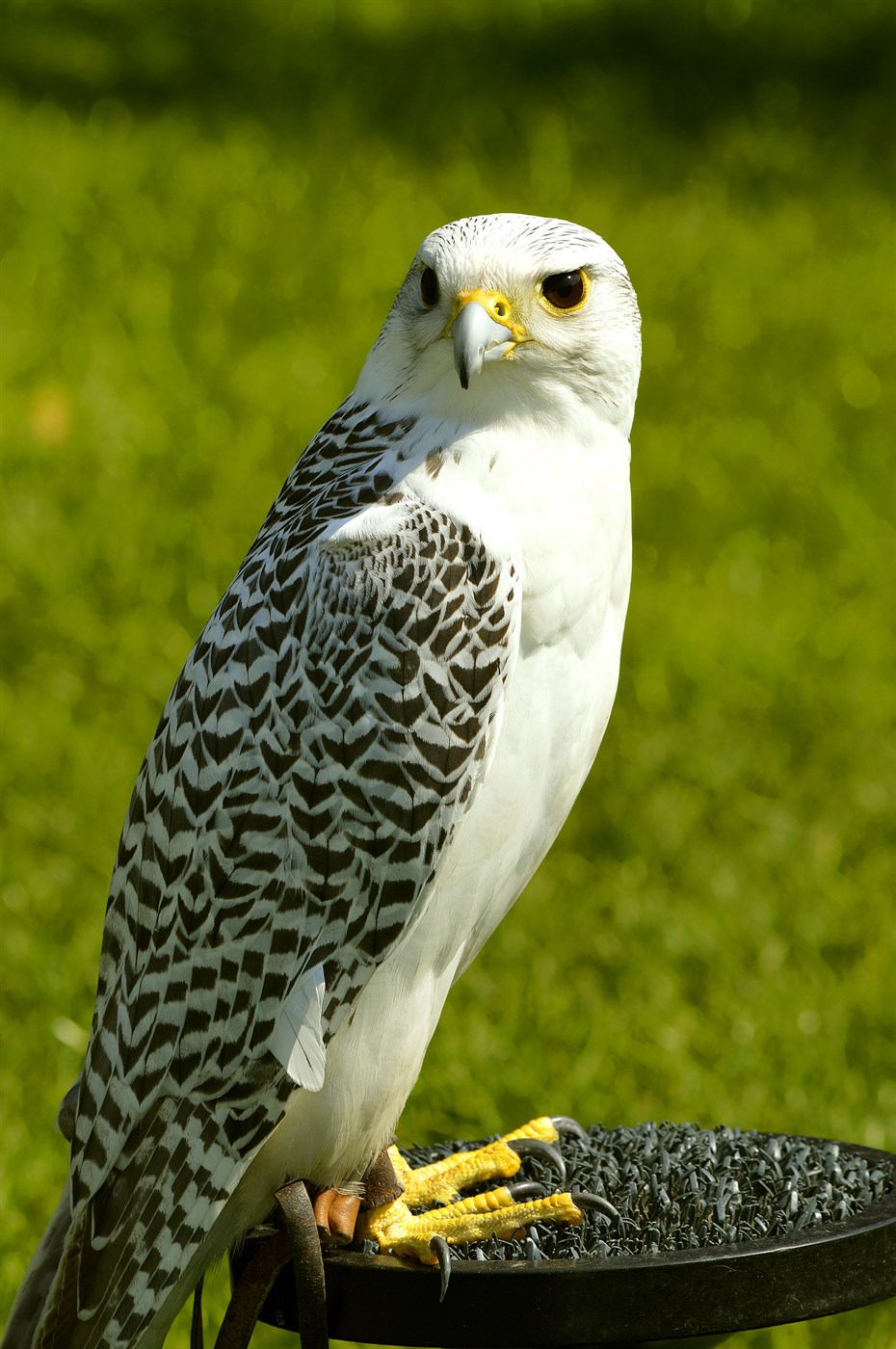
The national bird of Iceland is the Gyrfalcon. Although many visitors associate Iceland with puffins, the Gyrfalcon holds official status. It is the largest falcon species in the world and a powerful Arctic predator.
- Length up to 65 cm
- Wingspan up to 160 cm
- Plumage ranges from white to silver, brown or dark grey
- Nests on high cliffs and rocky outcrops
- Feeds primarily on Rock Ptarmigan
When Is the Best Time for Birdwatching in Iceland?
Peak Season: May to June
Late spring and early summer offer the highest species diversity. Migratory seabirds arrive to breed, and wetlands fill with nesting waterfowl. This is the best time for puffins, Arctic Terns, guillemots, razorbills and multiple duck species.
Late Summer: July to August
Seabird colonies remain active, and puffin fledging typically occurs in late August.
Winter: November to March
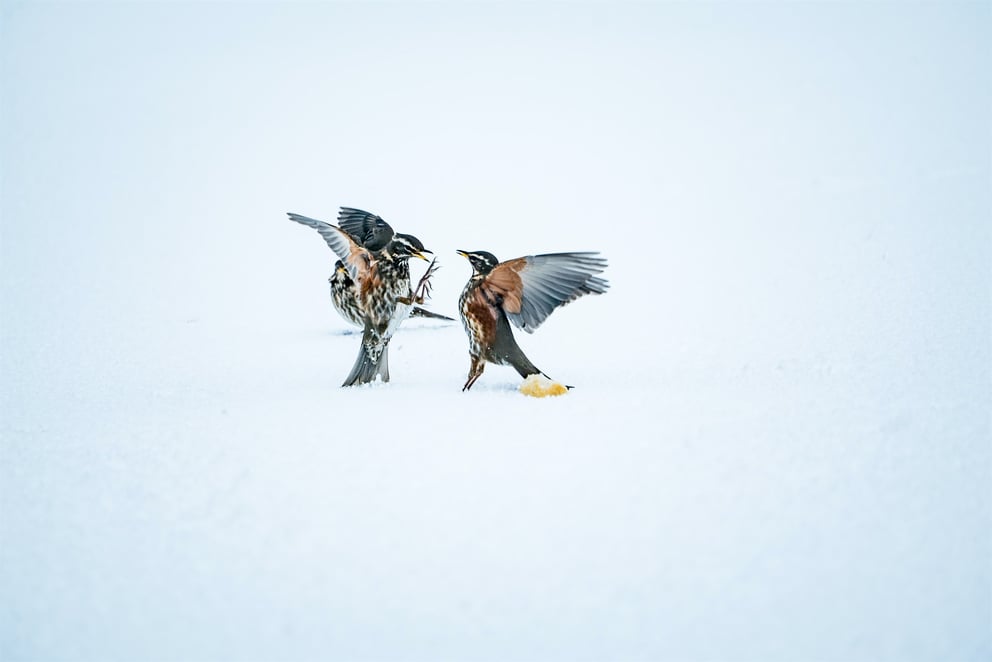
Winter birdwatching along the south and west coasts can reveal Harlequin Ducks, Greater Scaup, Common Eider and white winged gulls. The Þingvellir and Selfoss regions are particularly productive.
Best Birdwatching Locations in Iceland
1. Látrabjarg Cliffs, Westfjords
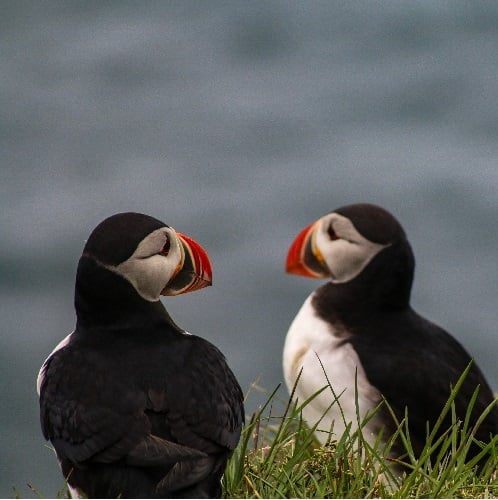
Látrabjarg is Europe’s westernmost point and one of the largest seabird cliffs in the North Atlantic. The cliffs stretch 14 kilometres and rise 440 metres above sea level. Up to 40 percent of the world’s Razorbill population nests here.
- Atlantic Puffin
- Razorbill
- Common Guillemot
- Brünnich’s Guillemot
- Black legged Kittiwake
Road access in the Westfjords often involves gravel roads. Weather conditions can change quickly, so plan accordingly.
2. Westman Islands
Located off Iceland’s south coast, the Westman Islands host one of the world’s largest Atlantic Puffin colonies. Each summer, millions of seabirds gather here to breed.
- Atlantic Puffin
- Northern Fulmar
- Common Guillemot
- Leach’s Storm Petrel
- Arctic Tern
- Black legged Kittiwake
- Purple Sandpiper
- Ruddy Turnstone
3. Reykjavík and Seltjarnarnes
Birdwatching opportunities exist even within the capital. Tjörnin pond and the Seltjarnarnes nature reserve offer year round sightings.
- Whooper Swan
- Greater Scaup
- Tufted Duck
- Common Eider
- Arctic Tern
- Common Ringed Plover
- Gadwall
4. Lake Mývatn
Lake Mývatn is internationally recognised as one of Europe’s most important freshwater bird habitats. The lake supports up to 15 breeding duck species and is protected under international conservation agreements.
- Gyrfalcon
- Harlequin Duck
- Barrow’s Goldeneye
- Tufted Duck
- Wigeon
- Greater Scaup
5. Snæfellsnes Peninsula
Often described as Iceland in miniature, Snæfellsnes contains lava fields, cliffs, wetlands and fjords within a compact region.
- White tailed Eagle
- Atlantic Puffin
- Arctic Tern
- Glaucous Gull
- Guillemots
- Kittiwakes
Seasonal Birdwatching Overview
| Season | Highlights | Best Regions |
|---|---|---|
| Spring | Migratory arrival and breeding displays | Nationwide |
| Early Summer | Peak seabird colonies | Westfjords, Westman Islands |
| Late Summer | Puffin fledging | South coast |
| Winter | Coastal waterfowl | Southwest Iceland |
Practical Birdwatching Tips
- Bring windproof clothing. Coastal cliffs are exposed.
- Respect nesting Arctic Terns. They actively defend their territory.
- Use designated paths near cliffs for safety.
- Check road conditions before travelling to remote regions.
- Allow flexibility due to Iceland’s fast changing weather.
Driving allows you to reach remote wetlands and coastal cliffs efficiently. Browse our wide range of rental cars and plan your Iceland birdwatching adventure with confidence.