
A Guide To Shopping In Iceland
Shopping in Iceland doesn’t have to burn a hole in your pocket, there are a range of unique shops within your budget. Click here if you want to know the best places to shop in Iceland.
Iceland is not a destination built around one landmark or one city. It is a country shaped by geological forces, extreme contrasts and open space. Volcanoes sit beneath glaciers. Lava fields stretch for miles between mountain ranges. Black sand beaches meet the North Atlantic under dramatic cliffs. The best things to do in Iceland are tied directly to this landscape and the freedom to explore it properly.
Some experiences require only a short stop along the Ring Road. Others demand preparation, seasonal timing and realistic route planning. Whether you are visiting for a long weekend or driving the entire country, this guide breaks down the most rewarding activities in Iceland and explains how to approach them intelligently.
Iceland is often described as the land of waterfalls, and that reputation is justified. With an estimated 10,000 waterfalls scattered across the island, you are rarely far from one. What makes Icelandic waterfalls unique is their scale and consistency. Many are fed by glaciers, meaning they flow year-round and carry significant power even outside peak melt season.
The South Coast provides the highest concentration of easily accessible waterfalls within a few hours of Reykjavík. This makes it ideal for shorter trips. North Iceland and West Iceland offer equally dramatic cascades with fewer crowds, especially outside peak summer months. If you want a structured overview by region, start with the Ultimate Guide to Waterfalls in Iceland.
Practical considerations matter. Wind direction can determine whether you enjoy a dry viewpoint or walk away soaked. Paths can be icy in winter and muddy in spring. Planning your stops regionally will reduce unnecessary backtracking and keep driving time realistic.
Roughly eleven percent of Iceland’s landmass is covered by glaciers. These massive ice caps shape the country’s rivers, valleys and lagoons. Visiting glacial landscapes offers a clear reminder that Iceland is still geologically active and constantly changing.
One of the most iconic glacier-related experiences is visiting Jökulsárlón Glacier Lagoon, where icebergs break away and drift slowly toward the sea. The nearby Diamond Beach collects fragments of ice against black volcanic sand, creating one of the most striking visual contrasts in the country. Planning this visit properly requires realistic driving time. See the Ultimate Guide to Jökulsárlón Glacier Lagoon before building your itinerary.
In winter, ice caves form beneath certain glaciers. These caves shift location each year and are only accessible with certified guides. Conditions are evaluated daily for safety. For seasonal planning and booking advice, review the Ultimate Guide to Ice Caves.
Glacier viewing does not always require a tour. Many glacier tongues are visible from roadside viewpoints, particularly along the South Coast and in Southeast Iceland. Choosing a vehicle suitable for longer distances ensures flexibility in reaching these areas.
Iceland sits directly on the Mid-Atlantic Ridge and above a volcanic hotspot. This combination makes it one of the most geologically active places on Earth. Lava fields, craters, basalt columns and geothermal valleys are not isolated attractions but part of a living system.
Exploring volcanic landscapes helps visitors understand how the island was formed. Lava tubes, underground caves and moss-covered fields illustrate the country’s explosive past. To dive deeper into these formations, see Best Caves in Iceland and Iceland’s Amazing Rock Formations.
Geothermal areas add another layer to this landscape. Steam vents, bubbling mud pools and mineral-rich water remind visitors that heat lies just below the surface. When visiting these areas, stay on marked paths to protect fragile ground and avoid unstable terrain.
Iceland rewards independent exploration. While tours are available, self-drive travel provides the flexibility to adjust routes based on weather, crowd levels and daylight hours. The Ring Road encircles the island and connects most major regions, while routes like the South Coast and Golden Circle concentrate attractions within shorter distances.
If you have limited time, the South Coast offers the highest density of waterfalls, glaciers and black sand beaches within manageable driving range from Reykjavík. For short stays, structured itineraries such as 3 Days in Iceland or 48 Hours in Iceland provide realistic frameworks.
Driving conditions vary dramatically by season. Winter introduces snow, ice and strong winds. Summer offers extended daylight but increased traffic. Matching your vehicle to planned routes is critical, especially if considering Highland roads, which typically require a 4x4 vehicle.
Although nature dominates Iceland’s identity, Reykjavík plays an important role in shaping the overall experience. The capital blends contemporary Nordic design with deep cultural roots. Museums explore Viking heritage, maritime history and modern art. Coastal walking paths provide views across Faxaflói Bay, while the city’s restaurant scene continues to grow.
Visitors often underestimate how much time Reykjavík deserves. Even a focused half-day can include Hallgrímskirkja church, Harpa Concert Hall, harbor walks and local cafés. For structured recommendations, see Best Things to Do in Reykjavik.
Reykjavík also serves as the logistical hub for most arrivals, especially those landing at Keflavík International Airport. Planning your first and last day around the city can reduce unnecessary driving.
Iceland’s terrain naturally lends itself to outdoor activity. Hiking routes range from short scenic walks near waterfalls to multi-day treks through the Highlands. Summer opens access to colorful rhyolite mountains and volcanic deserts, while winter introduces snow-covered landscapes.
For hiking preparation and route options, review All About Hiking in Iceland and Hiking in Thorsmork.
Winter expands opportunities for skiing and snow-based activities. See Winter Sports in Iceland and Ultimate Guide to Skiing in Iceland for region-specific advice.
Water-based activities such as snorkelling and diving between tectonic plates offer unique experiences for those comfortable in cold environments. These require certified operators and proper equipment.
Timing significantly affects what you can do in Iceland. Winter brings shorter daylight hours but offers snow-covered waterfalls, frozen landscapes and ice cave access. Roads may close temporarily due to storms, making flexibility essential.
Summer provides nearly 24 hours of daylight during peak season. This allows late-night hikes and extended driving windows. Highland roads typically open between June and September, depending on conditions.
Shoulder seasons in spring and autumn offer fewer crowds but more variable weather. Checking daily forecasts is part of responsible travel planning.
Geothermal bathing is both a cultural and recreational experience. The Blue Lagoon is internationally recognized, but municipal swimming pools across the country offer affordable and authentic alternatives.
Outdoor hot pots overlooking mountains or fjords create a different atmosphere from larger spa complexes. For a structured list, see Best Spas and Hot Springs in Iceland.
Understanding local etiquette is important. Showering without swimwear before entering pools is mandatory and culturally expected.
Iceland has a reputation for being expensive, but many of its best experiences are free. Waterfalls, beaches, scenic drives and coastal viewpoints require no entrance fee. Budget-conscious travelers can build a memorable itinerary focused largely on natural attractions.
See Free Things to Do in Iceland and Supermarket Comparisons in Iceland for cost-conscious planning.
Iceland rewards travelers who balance ambition with realism. The more structured your route, the more freedom you will have to adjust when weather or conditions change. With thoughtful planning, the country’s landscapes and experiences offer depth far beyond a simple checklist.
37 Results

Shopping in Iceland doesn’t have to burn a hole in your pocket, there are a range of unique shops within your budget. Click here if you want to know the best places to shop in Iceland.
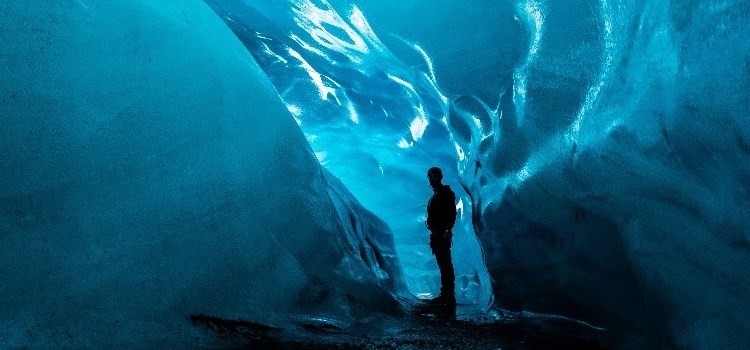
In Iceland, ice caves are popular among the locals as well as the tourists for their beauty. These hypnotic structures are unique, they are changing caverns of light that recreate themselves in winter and melt away during spring- you can never go into the same cave twice.
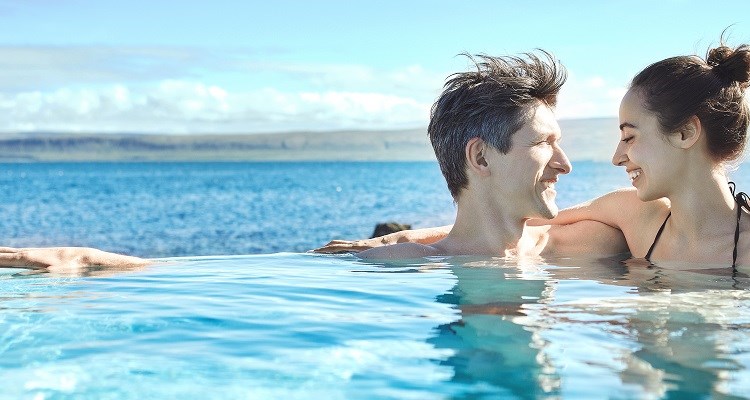
Swimming pools are very popular with the Icelandic people. As an island, Iceland sits on the North Atlantic sea, so its interaction with water is constant and inevitable - hafið gefur, hafið tekur (the ocean gives, the ocean takes). Here is a helpful guide that will answer important questions, such as the best pools, swimming conduct, price and more.
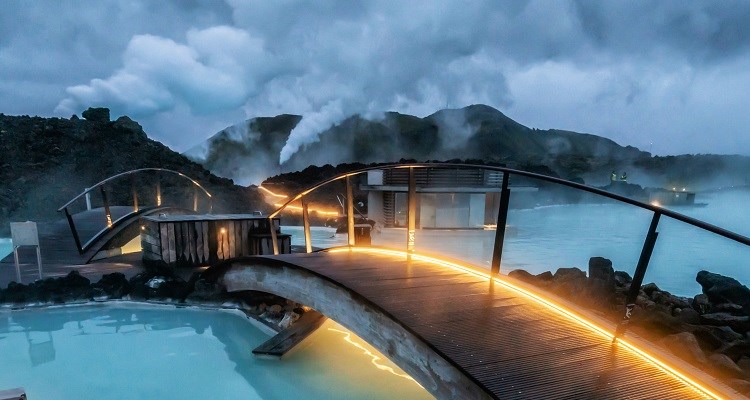
Iceland's Blue lagoon made it to the National Geographic’s ‘Top 25 Wonders of the World’ for good reason, it has the perfect bathing temperature of 38-39 degrees all year round. People from around the globe come to visit this wonder.
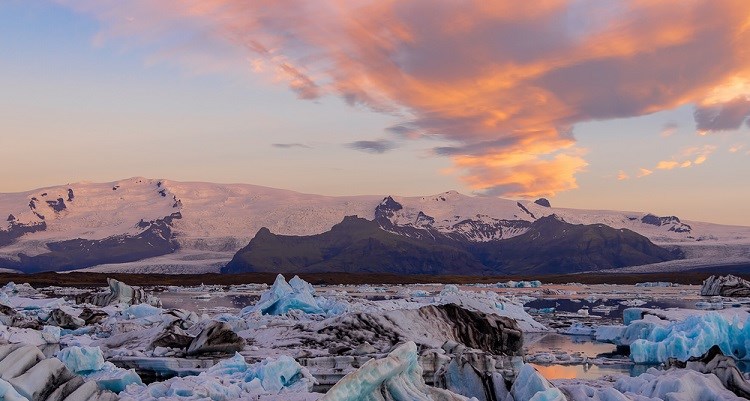
Iceland faces extreme changes in daylight throughout the year. The Iceland Midnight Sun, also known as ‘polar day’, is a natural phenomenon that occurs during the summer months when the sun remains visible 24 hours a day, meaning the sun never fully sets.
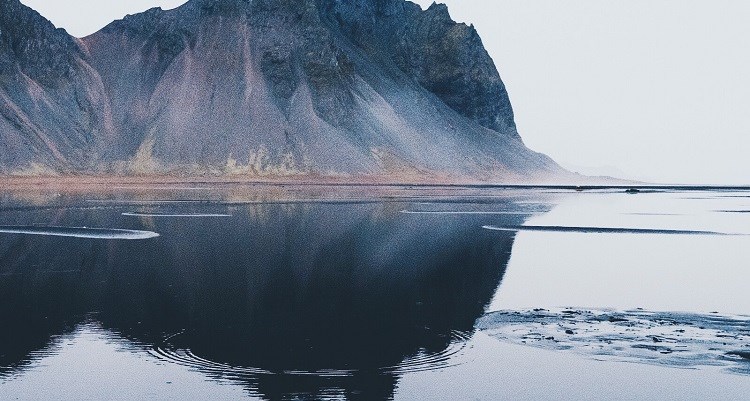
The unearthly beaches of Iceland are very popular amongst tourists and locals alike. Due to the volcanic nature of the island, most of Iceland’s beaches are made up of jet-black sand.
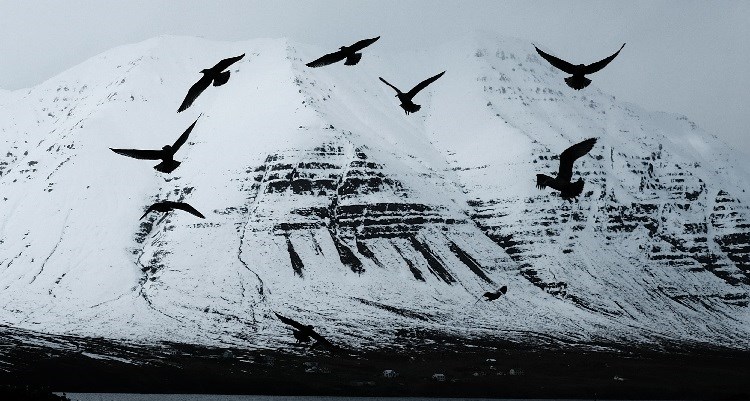
Iceland is rich with avian life. It has been recorded that, since settlement, 330 bird species have been sighted in Iceland. A bird enthusiast could tick off 60-80 different bird species on a single bird watching trip to Iceland.
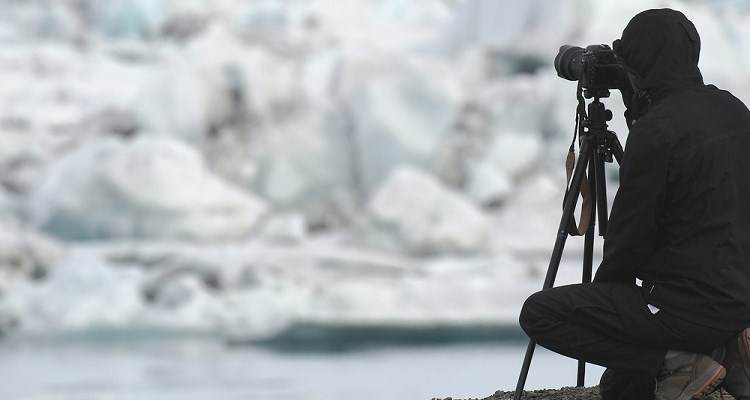
Professional photographers and amateur hobbyists alike love visiting Iceland. This island, covering only 40,000 square miles, is home to remarkably varied landscapes, from sandy deserts to highland roads, ice caves to sprawling valleys and volcanic beaches. It’s safe to say that Iceland is the proverbial photographer’s playground. But with so many beautiful places to shoot and capture, where is the best place to start? Whether you’re a landscape photographer or keen to shoot waterfalls, wildlife or beaches, we’ve got you covered. Read on to discover our pick of the best photography spots in Iceland.
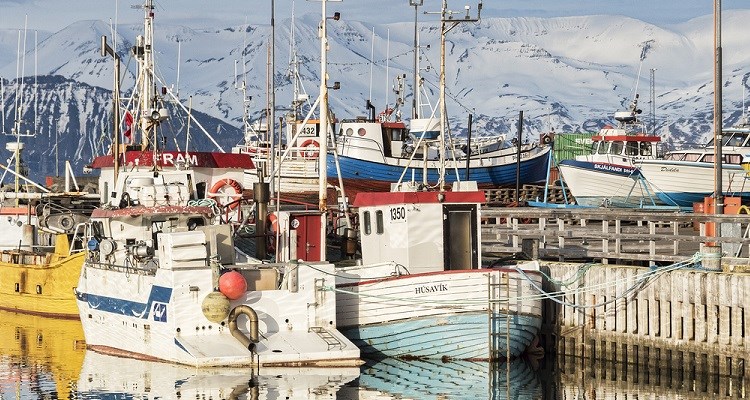
As an island, it shouldn’t come as a surprise to you that fish and other seafood make up a large part of the traditional Icelandic diet. Fishing has always played a large part in Iceland’s culture and economic history, but many people who visit Iceland also enjoy fishing during their trip.
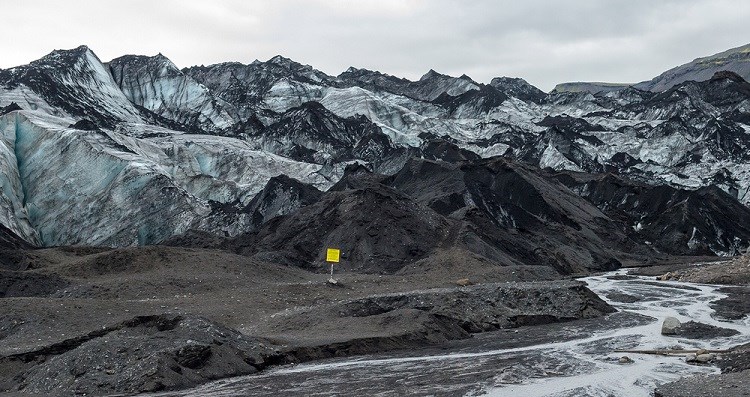
Iceland has a unique landscape that is unlike anywhere else in the world and is one of the main reasons that so many people take a vacation in the country.
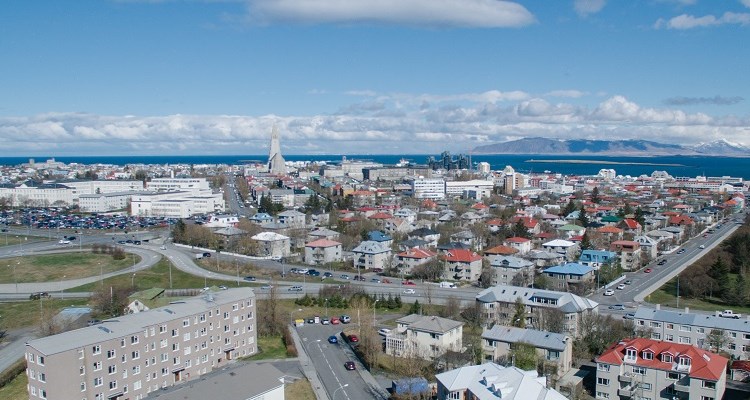
Iceland is home to many different festivals with people flocking to the country each year for music, arts and sport. Some of the best festivals in Iceland 2019 include Secret Solstice Festival, Reykjavik Arts Festival and the Arctic Open. There are also plenty more festivals in the country.
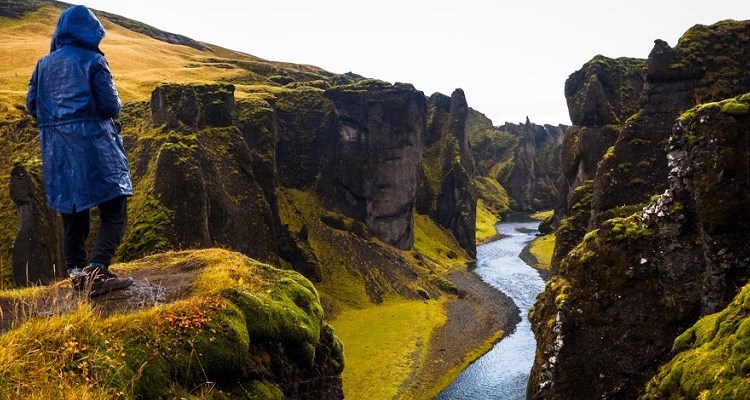
Iceland has vastly different landscapes and a range of activities. We have put together a guide on how to make the most of a short break in Iceland.