The Iceland Car Rental Travel Blog
Iceland Midnight Sun

The Midnight Sun in Iceland: Dates, Best Places and Driving Tips

The midnight sun in Iceland happens in summer, when the country gets extremely long days and nights that never become fully dark. This guide explains when the midnight sun happens, where to experience it, what it looks like, and how to plan a self-drive trip around Iceland’s best summer light. If you are visiting from late May to late July, a rental car gives you the freedom to reach quieter viewpoints, drive later in the evening and enjoy Iceland when the landscape is glowing but the roads are often calmer.

Midnight sun in Iceland: quick summary

  • Best time: late May to late July, with the strongest midnight sun effect around the summer solstice in June.
  • Best month: June, especially the weeks around June 21.
  • Best places: Grótta Lighthouse, Þingvellir National Park, the South Coast, Snæfellsnes Peninsula, North Iceland and Grímsey Island.
  • Best way to experience it: plan a flexible self-drive route so you can be in the right place when the light is at its best.
  • Important travel tip: bright nights can make you lose track of time, so plan rest, meals and driving breaks carefully.

Around the summer solstice, something unusual happens in Iceland. You finish dinner late in the evening, step outside and the sky still looks wide awake. You start driving after 10pm and the landscape keeps glowing. The sun drops low, the lava fields turn amber and the horizon stays bright long after your body expects darkness.

This is the midnight sun. It is one of the clearest reasons summer travel in Iceland feels different from almost anywhere else in Europe. It changes how you plan your days, how you use your rental car and how the country looks from the road.

For travelers planning a summer self-drive trip, the midnight sun is not just something to see. It is something to build your route around. With long daylight hours, you can visit famous places later, avoid some of the busiest times and enjoy scenic drives when the light is soft, golden and unusually calm.


When does the midnight sun happen in Iceland?

The midnight sun season in Iceland is usually strongest from late May to late July. The peak happens around the summer solstice, which falls around June 20 or June 21 each year. During this period, Iceland gets extremely long days, very short nights and a sky that often stays bright enough for walking, driving and photography.

There is one important distinction. True midnight sun means the sun does not set below the horizon at all. In Iceland, this only happens in the far north, especially around Grímsey Island, which sits on the Arctic Circle. In Reykjavík and most of South Iceland, the sun technically dips below the horizon for a short time around the solstice, but the sky does not become properly dark.

For travelers, that practical difference matters less than you might think. If you are visiting Reykjavík, the Golden Circle, the South Coast, Snæfellsnes or the Ring Road in June, you will still experience bright nights and a strong midnight sun feeling. You may look at the clock and realize it is midnight, even though the sky still feels like evening.

Iceland daylight hours by month

The midnight sun does not switch on and off overnight. The change builds through spring, peaks in June and slowly fades through July and August. This table gives a simple travel-focused view of what to expect around Reykjavík.

Month Daylight in Reykjavík What it means for travelers
April About 13 to 16 hours Longer days, but nights are still dark enough to feel normal.
May About 17 to 20 hours Evenings become very bright, especially late in the month.
June About 20 to 21 plus hours The peak midnight sun period, with bright skies through the night.
July About 18 to 21 hours Still very bright, especially in early July.
August About 15 to 18 hours Long days remain, but darker nights gradually return.

If your main reason for visiting is the midnight sun, June is the safest month to choose. If you want a balance of long days, summer road trips and slightly more normal nights, late July or August may feel easier. ICR’s ultimate guide to summer in Iceland is a useful next read if you are still deciding when to travel.

What does the midnight sun actually look like?

Many people imagine the midnight sun as a bright midday sun hanging overhead at midnight. In Iceland, it is usually more subtle and more beautiful than that.

Late in the evening, the sun drops low toward the horizon. The light becomes warmer and softer. Waterfalls catch a golden edge. Glaciers turn pale pink. Lava fields glow with a copper tone. Mountains look more dramatic because the low sun creates long shadows across the landscape.

Then, around midnight, the light often becomes quieter. It may turn silver, blue or peach depending on the weather and cloud cover. It is not dark. It is more like a long twilight that never fully ends. A few hours later, the sun starts climbing again and the morning light returns before many travelers have gone to bed.

This is why photographers, hikers and road trippers love Iceland in June. The best light can last for hours rather than minutes. If you are planning your trip around landscapes, waterfalls and scenic drives, the midnight sun gives you more chances to see Iceland at its most atmospheric.

Why a rental car helps you experience the midnight sun

You can see bright summer nights from Reykjavík, but a rental car lets you experience the midnight sun more fully. The best moments often happen outside the city, where the horizon is open, the road is quiet and there is no need to follow a tour schedule.

With your own car, you can drive to a viewpoint at 10pm, wait for the light to change, stop again when the road opens toward the coast and return when you are ready. This is the real value of self-drive travel in Iceland. It is not only about getting from one place to another. It is about having the freedom to move with the weather, the light and your own energy.

If you are still planning the driving side of your trip, start with ICR’s guide to driving in Iceland, then compare vehicle options on the Iceland Car Rental fleet page. For summer travel on main roads, many travelers do well with a compact or medium car. For longer road trips, rural stays or mixed routes, a larger car or SUV can make the journey more comfortable.

Best places to experience the midnight sun in Iceland

The best midnight sun locations have three things in common: open views, interesting landscapes and enough space to enjoy the light without rushing. You do not always need a famous landmark. Sometimes the best stop is a quiet stretch of road where the sky opens above the ocean, mountains or lava fields.

Grótta Lighthouse in Reykjavík

Grótta Lighthouse is one of the easiest places to experience the midnight sun if you are staying in Reykjavík. It sits at the edge of the Seltjarnarnes Peninsula, with sea views and a wide horizon. On a clear June evening, it is a simple and memorable place to watch the sun hover low over the water.

This is a good choice if you have just arrived, do not want a long drive or are using Reykjavík as your first base. Before planning your evening, read ICR’s guide to the best things to do in Reykjavík and the guide to parking in Reykjavík.

Þingvellir National Park

Þingvellir National Park is part of the Golden Circle and one of the most meaningful landscapes in Iceland. It is where Iceland’s early parliament was founded, and it sits in a rift valley between the North American and Eurasian tectonic plates. In the midnight sun, the park can feel still and almost unreal, with the lake and rock walls catching the low evening light.

Because Þingvellir is within easy reach of Reykjavík, it works well for a late evening summer drive. If you are planning the full route, read ICR’s guide to what car you need to drive the Golden Circle.

The South Coast

The South Coast is one of the strongest midnight sun routes in Iceland. The road east from Reykjavík passes waterfalls, black sand beaches, glaciers and wide open farmland. In summer, this route can be especially rewarding later in the day, when tour traffic begins to thin and the evening light softens the landscape.

Seljalandsfoss and Skógafoss are both powerful stops in golden summer light. Reynisfjara black sand beach can also look dramatic late in the evening, but it requires care because the waves can be dangerous. Build the route calmly and avoid driving too late if you are tired.

For route inspiration, use ICR’s guide to the best road trips in Iceland and the ultimate guide to waterfalls in Iceland.

Snæfellsnes Peninsula

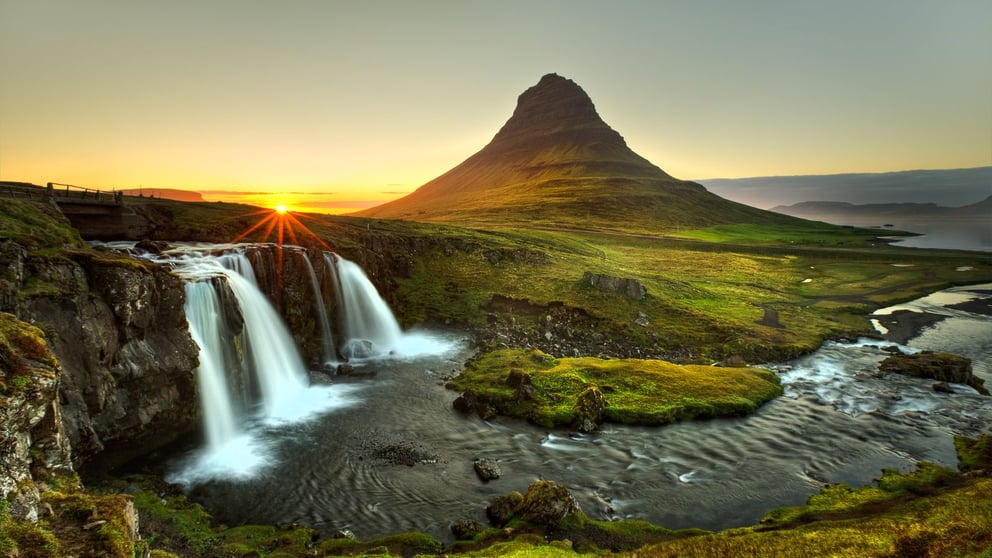
Snæfellsnes is a strong choice for travelers who want coastal roads, mountains, lava fields and a sense of space. Kirkjufell, the famous mountain near Grundarfjörður, is especially popular with photographers, and the midnight sun can give the area a soft golden glow late into the night.

The midnight sun at Kirkjufell Mountain in Iceland
Kirkjufell is one of Iceland’s most memorable midnight sun viewpoints when the evening light is clear.

This is not a short evening detour for every traveler. From Reykjavík, Snæfellsnes is best treated as a full day, overnight stay or part of a wider road trip. If you want a slower, more scenic summer route, it can be one of the best places to let the midnight sun shape the journey.

North Iceland and Mývatn

North Iceland has some of the strongest midnight sun conditions in the country. Around Akureyri, Mývatn and the surrounding landscapes, summer nights can feel almost endless. Mývatn is especially impressive because the lake, geothermal areas, lava formations and open views all respond beautifully to low summer light.

If you are building a longer route, this is where a rental car becomes especially valuable. You can move between viewpoints, adjust plans around the weather and stay out later without depending on fixed schedules. For longer journeys, ICR’s guide to Iceland’s Ring Road is the right planning resource.

Grímsey Island

Grímsey is the most literal place to experience the midnight sun in Iceland because the Arctic Circle crosses the island. Around the summer solstice, the sun can stay above the horizon for 24 hours. This makes Grímsey special, but it also requires more planning than a simple road trip stop. Travelers usually reach it by ferry or flight from North Iceland.

For most visitors, Reykjavík, the South Coast, Snæfellsnes and North Iceland are more practical. But if true Arctic Circle midnight sun is the goal, Grímsey is the place to consider.

How the midnight sun changes driving in Iceland

The midnight sun gives you more flexibility, but it also requires discipline. When the sky stays bright, it is easy to forget how late it is. You may keep driving because the light looks beautiful, only to realize you are tired, hungry or far from your accommodation.

That is the main driving challenge of the midnight sun. The road may still be visible, but your body still needs rest. Bright skies do not remove fatigue. They can hide it.

Plan your summer drives with clear stopping points. Decide when you want to eat. Decide when you want to return. If you are doing a longer road trip, avoid building a schedule that depends on driving late every night. The midnight sun should give you flexibility, not pressure.

There are also practical road conditions to consider. Low sun can create glare, especially on gravel roads or open stretches near water. Keep sunglasses in the car. Watch for other travelers stopping suddenly for photos. Give yourself more space than usual if the road is unfamiliar.

Before you travel, read ICR’s guides to road signs in Iceland, driving in Icelandic wind and fuel stations in Iceland. These are not only winter topics. They also matter in summer when travelers are covering long distances and stopping often.

A 24-hour midnight sun road trip idea

If you want to build one unforgettable summer day around the midnight sun, make the route flexible rather than overloaded. The goal is not to see as many places as possible. The goal is to be somewhere beautiful when the light is at its best.

Time Plan Why it works
Late morning Start slowly from Reykjavík You do not need to rush because daylight lasts late into the night.
Afternoon Drive part of the Golden Circle Þingvellir, Geysir and Gullfoss work well with flexible timing.
Early evening Continue toward the South Coast The light becomes warmer and the roads may feel calmer.
Late evening Stop at Seljalandsfoss or Skógafoss Waterfalls can look especially dramatic in low golden light.
Around midnight Pause at a safe viewpoint This is the moment to slow down, not add more distance.
After midnight Return to your accommodation or stay nearby Keep the final drive short and realistic.

This route is only a sample. It works best in good weather, with enough rest and with accommodation placed sensibly. If you are planning several days, use ICR’s guide to planning a road trip in Iceland to build a route that fits your travel style.

Choosing the right car for a midnight sun trip

For a summer trip focused on Reykjavík, the Golden Circle and the South Coast, many travelers can choose a small or medium car. That can work well for simple paved-road routes, city stays and shorter day trips.

If your trip includes longer distances, rural accommodation, luggage, photography gear or mixed road conditions, a larger car or SUV may be more comfortable. Extra space and stability can make a major difference when you are covering long distances or returning late after a midnight sun stop.

If you plan to drive into the Highlands during the legal summer season, you need an approved 4x4. The midnight sun does not change that rule. F-roads require the right vehicle and careful planning. Read ICR’s guides on whether you need a 4x4 rental in Iceland and how to drive on Iceland’s F-roads before adding Highland routes to your itinerary.

Electric cars can also work well in summer because daylight, milder weather and better route visibility make planning easier. If you are considering an EV, read ICR’s electric car charging guide before you choose your route and vehicle.

How to sleep during the midnight sun

The midnight sun is beautiful, but it can make sleep difficult. Your body expects darkness as a signal to rest. In June, Iceland may not give you that signal.

Pack an eye mask. Check whether your accommodation has blackout curtains. Keep your sleep schedule realistic. Avoid planning late-night drives every night of the trip. One or two midnight sun evenings can be memorable. Doing it constantly can leave you tired for the rest of the journey.

If you are traveling with children, this matters even more. Bright nights can make bedtime harder, especially in guesthouses or apartments with thin curtains. Build slower mornings into the itinerary if you know you will be out late.

What to pack for midnight sun travel

Summer in Iceland is bright, but it is not always warm. You may be standing outside at midnight in wind, drizzle or cold coastal air. Pack for long days and changing weather, not just sunshine.

  • Eye mask for sleeping
  • Sunglasses for low evening sun and road glare
  • Warm layers for late-night viewpoints
  • Waterproof jacket
  • Comfortable shoes for short walks
  • Phone charger or power bank
  • Snacks and water for flexible driving days
  • Camera or tripod if photography is part of the trip

For a fuller packing list, read ICR’s Iceland road trip packing list. If you are still working out the full cost of the trip, the guide to how much it costs to rent a car in Iceland is also worth reading before booking.

Can you see the northern lights and midnight sun on the same trip?

No, not in the normal sense. The midnight sun and the northern lights belong to opposite travel seasons. The midnight sun happens in summer when Iceland does not get properly dark. The northern lights need dark skies, so they are mainly visible from late August through March.

If your dream is long bright nights, plan for summer. If your dream is aurora hunting, plan for autumn, winter or early spring. ICR’s northern lights guide is the better resource for that kind of trip.

Icelandic traditions around the midnight sun

The midnight sun is also connected to Icelandic summer traditions. Jónsmessa, or Midsummer Night, is celebrated on June 24 and has roots in folklore and older seasonal beliefs. It is one of those Icelandic cultural details that gives the bright summer season more character than daylight alone.

Some traditions are playful, strange and very Icelandic. Local folklore has connected Jónsmessa with nature, luck and unusual midsummer customs. You do not need to build your trip around these traditions, but knowing about them adds context to the season and the atmosphere of summer travel in Iceland.

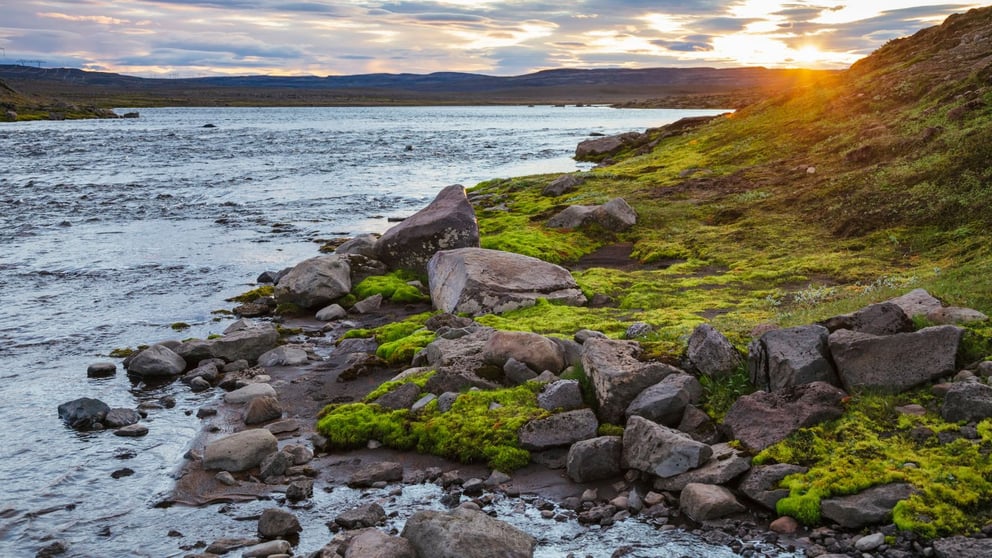
Midnight sun near a river in Iceland
Long summer evenings are part of the wider experience of Icelandic nature and seasonal traditions.

Common midnight sun mistakes to avoid

The first mistake is overplanning. Long daylight hours make it tempting to keep adding stops. Iceland rewards flexibility, but it also punishes tired driving. Choose fewer places and enjoy them properly.

The second mistake is forgetting food and fuel. If you are driving late, normal services may not match your schedule. Plan fuel stops in advance and keep snacks in the car. This is especially important outside the capital area.

The third mistake is assuming summer means easy conditions everywhere. The Highlands still require the right vehicle. Gravel roads still need care. Wind can still be strong. Weather can still change quickly. Summer gives you more light, but it does not remove the need for good judgment.

The fourth mistake is choosing a vehicle only by price. For short city-based routes, a compact car may be perfect. For long drives, luggage, late-night photography stops or rural roads, comfort and space matter more. Use the full ICR fleet to choose based on the trip you are actually planning.

Final advice for seeing the midnight sun in Iceland

The midnight sun is not only about staying awake late enough to see a bright sky. It is about how summer changes the way Iceland feels. The roads are quieter late in the evening. The light sits lower. Familiar places look different. A normal stop beside the road can become the moment you remember most from the trip.

The smartest way to experience it is to keep your plan open. Choose one strong route, give yourself enough time and let the light decide where you stop. With a rental car, you are not tied to a bus timetable or a fixed tour window. You can wait for the golden light at a waterfall, take a quiet road toward the coast or head back when your body tells you it is time to rest.

If you are planning a summer road trip, start with the route, then choose the right car for the journey. Browse Iceland Car Rental’s fleet, check available cars or read more about Keflavik Airport car rental if you want to begin your trip as soon as you land.

FAQ

When does the midnight sun happen in Iceland?

+/-

The midnight sun effect is strongest from late May to late July, with the peak around the summer solstice in June. During this period, Iceland gets very long days and nights that stay bright, especially around June 21.

What is the best month to see the midnight sun in Iceland?

+/-

June is the best month to experience the midnight sun in Iceland. Late May and July also offer very long days, but June gives the strongest effect and the brightest nights.

Do you need a car to see the midnight sun in Iceland?

+/-

You do not need a car to see bright summer nights, but a rental car helps you experience the midnight sun more fully. It lets you reach quiet viewpoints, stay out later and adjust your route around weather, light and energy.

Can you see the northern lights during the midnight sun?

+/-

No. The northern lights require dark skies, while the midnight sun happens when Iceland has very bright nights. For northern lights, visit from late August through March. For the midnight sun, visit in summer.

Is it safe to drive during the midnight sun?

+/-

Yes, but you still need to manage tiredness. Bright skies can make it feel earlier than it is, so plan breaks, meals and sleep. Keep sunglasses in the car because low evening sun can create glare.

What should I pack for the midnight sun in Iceland?

+/-

Pack an eye mask, sunglasses, warm layers, a waterproof jacket, comfortable shoes and a phone charger. Even in summer, late-night viewpoints can be windy and cold.