

Driving in Icelandic Wind: How to Stay Safe and Avoid Damage Costs
The safest way to drive in Icelandic wind is to slow down, park facing the wind, open car doors with both hands and avoid exposed coastal and mountain roads during storms. Wind related damage is one of the most common and preventable causes of unexpected rental costs in Iceland.
Why Icelandic Wind Is a Serious Driving Risk
Icelandic wind behaves differently than in most countries. Gusts can arrive suddenly, change direction without warning and reach strengths capable of damaging car doors, mirrors and body panels in seconds. I have personally inspected rental cars where the only damage occurred while the vehicle was parked. In most cases, the driver underestimated the wind.
Wind is not limited to winter. It occurs year round, especially along the South Coast, open plains and elevated roads.
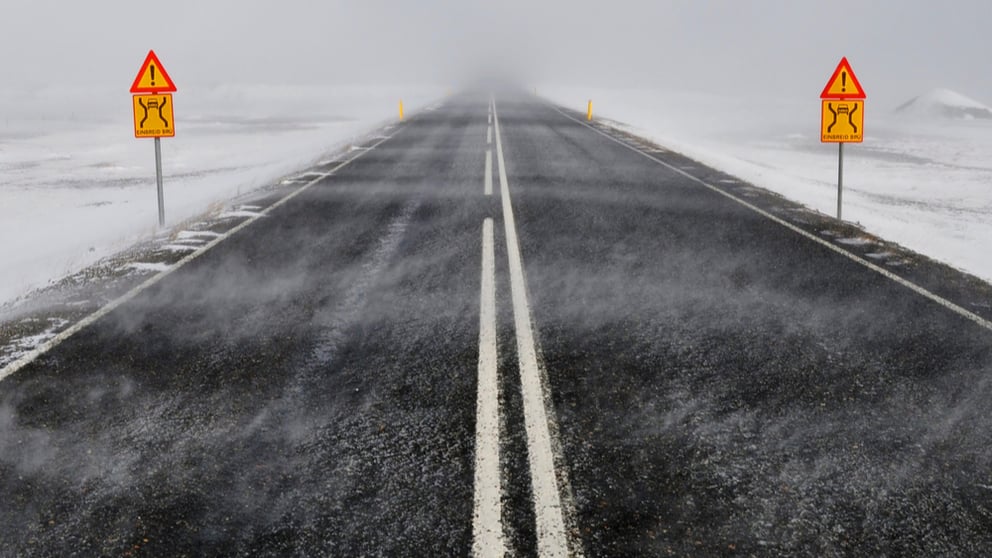
What Wind Damage Usually Looks Like
Wind related damage follows predictable patterns. Understanding these helps you avoid costly mistakes.
- Doors bent backward when opened against strong gusts
- Broken door hinges or warped frames
- Damaged side mirrors
- Scratches caused by windblown sand or ash
Many of these risks are explained in the ultimate guide to driving in Iceland, but wind deserves special attention because it often catches visitors off guard.
The Most Common Wind Related Costs and How to Avoid Them
| Risk | Why It Happens | How to Avoid It |
|---|---|---|
| Door damage | Opening doors with the wind behind you | Park facing the wind and open doors slowly with both hands |
| Mirror damage | Sudden gusts while parked | Fold mirrors when parking in exposed areas |
| Sand and ash abrasion | Wind carrying volcanic material | Avoid exposed coastal roads during storms |
| Loss of vehicle control | Crosswinds on open roads | Reduce speed and maintain firm steering control |
How to Park Safely in Strong Wind
Parking technique is the single most important factor in preventing wind damage.
- Always park facing into the wind
- Never open doors with the wind at your back
- Use both hands when opening a door
- Open doors slowly and only as wide as necessary
- Avoid parking on ridges, cliffs and fully exposed pull offs
I have seen damage occur in less than one second when these steps were ignored.
Driving Techniques for Windy Conditions
Wind affects vehicle stability, especially on open roads and bridges. Taller vehicles and campervans are particularly vulnerable.
- Reduce speed during crosswinds
- Increase following distance
- Hold the steering wheel firmly with both hands
- Avoid sudden steering corrections
Understanding local road behaviour helps drivers react more calmly. For context, review the driving etiquette guide.
Regions Where Wind Is Strongest
Some areas of Iceland experience stronger and more frequent wind than others.
- The South Coast between Selfoss and Vik
- Open stretches of the Ring Road in Southeast Iceland
- Mountain passes in North Iceland
- Highland access roads and interior plateaus
If your itinerary includes these regions, conservative planning is essential. Use route suggestions from the best road trips in Iceland to avoid unnecessary exposure.
Wind, Sand and Ash Damage
Strong wind often carries sand and volcanic ash, especially near glaciers and coastal plains. This can cause paint damage and abrasion to headlights and windshields. Standard insurance does not always cover this type of damage. Before driving through exposed regions, review coverage details in the car rental insurance guide.
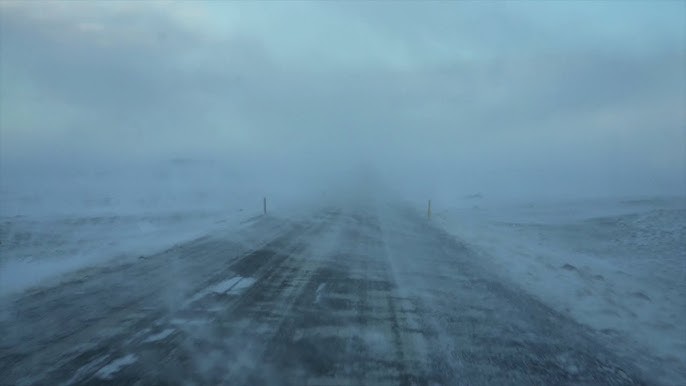
Seasonal Wind Risk in Iceland
Wind intensity changes throughout the year. Winter storms bring stronger gusts and reduced visibility, while summer winds often build in the afternoon. Seasonal overviews such as the best time to visit Iceland, Iceland in October and Iceland in February help travellers plan around these conditions.
Vehicle Choice and Wind Safety
Vehicle weight and design affect wind handling. Heavier vehicles generally provide more stability, but no vehicle is immune. If your route includes exposed roads or winter travel, compare options using the 4x4 rental guide.
When to Stop Driving
If wind conditions become uncomfortable, stop driving. Pull into a town, service area or sheltered location and wait. Storms in Iceland often pass quickly. For planning safe pauses, use the road trip planning guide.
Trusted External Resources for Driving Safety in Iceland
Before and during your trip, these official Icelandic resources provide real time information that helps you avoid dangerous driving conditions, road closures and weather related damage.
- Icelandic Met Office (Weather and Wind Forecasts)
https://en.vedur.is
Use this site to check wind speed, storm warnings and weather changes before starting your drive. It is the most reliable source for Icelandic weather conditions. - Icelandic Road and Coastal Administration (Road Conditions)
https://www.road.is
This official road authority site shows live road conditions, closures, surface quality and weather impact on routes across Iceland. - SafeTravel Iceland (Travel Alerts and Safety Warnings)
https://safetravel.is
SafeTravel provides official travel advisories, storm alerts and safety guidance for travelers driving in challenging conditions. - Icelandic Search and Rescue (ICE-SAR)
https://www.icesar.com
ICE-SAR is responsible for emergency response in Iceland. Their guidance helps travelers understand risks related to weather, terrain and remote travel. - Global Petrol Prices Iceland (Fuel Cost Awareness)
https://www.globalpetrolprices.com/Iceland/
This site helps travelers understand fuel costs in Iceland, which is useful when planning safe detours or waiting out storms rather than driving in dangerous conditions.
Checking these resources regularly helps reduce risk, avoid damage and make informed decisions when weather or wind conditions change.