
Dining Out in Iceland
A Practical Guide to Restaurants, Costs and Local Food
Iceland is often described as remote and expensive, which leads many travelers to assume dining options are limited. In reality, Iceland’s food scene is far more diverse than most expect. From traditional seafood and lamb dishes to vegan cafés, craft breweries and fast casual spots, the country offers a wide range of dining experiences.
What surprises many visitors is not the lack of variety, but the price level. Food in Iceland can be expensive compared to mainland Europe, largely due to import costs and high operating expenses. However, eating well in Iceland does not require spending excessively if you understand where to go and how to plan.
This guide breaks down what to expect when dining out in Iceland, where to eat across different regions, how to manage your budget, and which types of restaurants are genuinely worth prioritizing.
Understanding Food in Iceland
Icelandic cuisine is shaped by geography and climate. Limited farmland and a harsh environment historically meant reliance on seafood, lamb and preserved foods. While modern Iceland offers global cuisine, traditional ingredients still define much of the culinary identity.
Fish remains central. Cod, haddock and Arctic char are common on menus across the country. Lamb, often grass-fed and free roaming, is another staple. Dairy products such as skyr also hold cultural importance.
For a deeper breakdown of traditional dishes and ingredients, see A Guide to Food in Iceland. If you are curious about recreating certain dishes at home, Delicious Icelandic Recipes You Must Try explores authentic preparation methods.
Is Food in Iceland Really That Expensive?
Short answer: yes, but context matters.
Dining at mid-range restaurants in Reykjavík can cost more than similar experiences in many European capitals. However, the perception that every meal costs a small fortune is exaggerated.
Lunch specials, fast casual spots and grocery stores provide affordable alternatives. Smaller towns sometimes offer better value than central Reykjavík. To understand pricing more clearly, read Is Food in Iceland Really That Expensive?.
Planning strategically, especially if you are self-driving, allows you to balance occasional fine dining with budget-friendly meals.
Where to Eat in Reykjavík
Reykjavík has the highest concentration of restaurants in Iceland. The capital offers everything from traditional Icelandic cuisine to sushi, pizza, vegan cafés and international fusion.
If you want a broad overview of options, start with Where to Eat in Iceland. For a curated perspective from locals, see A Local’s Guide to the Best Restaurants in Reykjavík.
Budget travelers should not overlook Reykjavík’s Best Cheap Restaurants and Fast Food in Reykjavík, which outline reliable lower-cost options.
Breakfast culture has grown significantly in recent years. Cafés and bakeries open early and serve hearty options suitable before long driving days. See Best Breakfast in Iceland for recommendations.
For many visitors, Keflavík is both the arrival and departure point. The Reykjanes Peninsula has expanded its restaurant offerings considerably, making it possible to eat well before or after a flight.
For local town recommendations, see Top Restaurants in Keflavík. If you are dining inside the airport itself, review Dining Options at Reykjavík Airport for realistic expectations on pricing and variety.
Seafood: The Core of Icelandic Dining
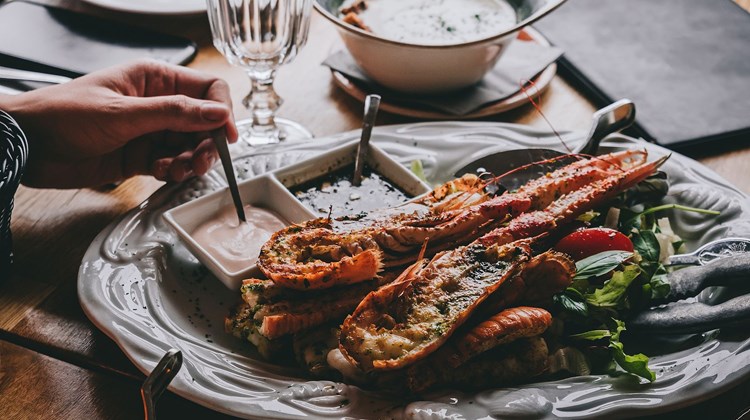
Seafood is where Iceland excels. Fresh fish is widely available and often simply prepared to highlight natural flavor. Cod and haddock dominate menus, while Arctic char offers a milder alternative.
Lobster soup has become one of the country’s most recognizable dishes. While tourist-oriented restaurants promote it heavily, quality varies. For specific recommendations, see The Best Lobster Soup in Iceland.
Because Iceland is surrounded by rich fishing grounds, seafood quality is consistently high across the country, not just in Reykjavík.
Vegan and Vegetarian Dining
Despite the country’s reliance on fish and lamb, plant-based dining has grown significantly. Reykjavík in particular offers dedicated vegan cafés and restaurants, alongside mainstream venues with strong vegetarian options.
If you follow a vegan diet, review A Guide to Vegan Food in Iceland before your trip. Outside Reykjavík, options may be more limited but are steadily improving.
Drinks and Nightlife
Dining in Iceland often overlaps with nightlife culture, particularly in Reykjavík. Craft breweries and cocktail bars have expanded in recent years. Alcohol is expensive by European standards due to taxation, but quality is generally strong.
For curated recommendations, see Best Spots for a Drink in Iceland.
Dining Outside Reykjavík
While Reykjavík dominates restaurant density, regional towns offer distinctive dining experiences. Coastal villages often serve fresh seafood, while inland areas emphasize lamb and hearty soups.
Smaller towns may have fewer options, particularly in winter. Planning meal stops around driving routes ensures you avoid arriving late when kitchens are closed.
Budget Strategies for Dining Out
- Take advantage of lunch specials.
- Balance restaurant meals with grocery store purchases.
- Use fast casual options strategically.
- Reserve fine dining for one or two evenings rather than every night.
Understanding price differences between central Reykjavík and regional towns can significantly reduce overall food costs.
Seasonal Considerations
Summer increases demand and reservations may be necessary at popular restaurants. Winter offers quieter dining environments but reduced hours in smaller towns.
Peak travel periods require advance planning, especially for highly rated restaurants.
Final Thoughts on Dining in Iceland
Dining out in Iceland is not limited. It is varied, modern and increasingly creative. Yes, prices can be high. But thoughtful planning allows you to enjoy excellent seafood, local specialties and modern Nordic cuisine without overspending.
Scroll below to explore our detailed dining guides and restaurant breakdowns by region, budget and dietary preference.